Look, I've spent the last twenty years breathing concrete dust and arguing with contractors. I've seen a lot of gadgets come and go, promises made and broken. But let's talk about double vibrater – it's not a gimmick. It’s a game-changer for consolidation, plain and simple. We're talking about getting the air bubbles out, getting that concrete to set properly, reducing voids, and ultimately, building structures that last. It’s not just about the science, it's about reliability on the job, saving time, and getting things done right the first time. I've seen too much rework caused by poor consolidation, and I'm telling you, this stuff makes a difference.
Now, I'm not a lab coat type, so I won't bore you with equations. But I will tell you that when you're pouring a foundation for a skyscraper or a bridge deck, you don't mess around. You need consistency. You need strength. And you need a system you can depend on. Double vibrater gives you that. We’ve run field tests on everything from high-performance concrete to self-consolidating mixes, and the results are consistently better. Less honeycombing, improved surface finish, and increased compressive strength. That translates to long-term durability and a client who’s happy with a job well done.
The biggest thing I see with crews is fatigue and consistency. Hand rodding is brutal work, and it's easy to get sloppy when you're tired. With a double vibrater, you're distributing the energy more effectively, requiring less physical effort, and achieving a more uniform consolidation. And that, my friends, is how you keep a crew productive and a project on schedule.
The Fundamentals of Double Vibrater Technology
The core principle behind a double vibrater isn't rocket science, but it is smart engineering. You've got two independently controlled vibrating heads delivering energy directly into the concrete. This is different than a single vibrator – it allows for more uniform distribution, especially in complex forms or congested rebar. I've seen it cut consolidation time by nearly a third on some projects.
It’s about frequency, amplitude, and the right head size for the job. A good double vibrater system lets you dial in those parameters to match the concrete mix and the specific application. Too much vibration can segregate the aggregate, too little and you're left with voids. Getting that balance is crucial, and a double vibrater gives you the control you need.
Global Relevance and Industry Impact of Double Vibrater
From the skyscrapers rising in Asia to the infrastructure projects in Europe, concrete is the backbone of modern construction. And anywhere concrete is being poured, the need for effective consolidation is paramount. I've worked on projects in the Middle East where the heat accelerates set times, making proper vibration even more critical. They understand the long-term costs of cutting corners.
The industry's been slow to fully embrace double vibrater, mostly because of the upfront cost. But when you factor in the reduced rework, improved durability, and increased productivity, it quickly pays for itself. Standards organizations like the ACI are constantly updating guidelines, and the trend is toward more rigorous quality control, which means better consolidation methods.
Think about marine structures – docks, pilings, offshore platforms. These are environments where corrosion is a constant threat. Properly consolidated concrete is denser, less permeable, and more resistant to chloride intrusion, extending the lifespan of these critical structures. That's not just good engineering, it’s smart economics.
Defining Double Vibrater: From Concept to Application
At its simplest, a double vibrater is a device utilizing two independently driven vibrating elements to consolidate concrete or other materials. But it's more than just two vibrators slapped together. The design focuses on synchronizing or allowing independent control of the vibration patterns to achieve optimal results. It's about creating a more even energy distribution throughout the concrete mass.
The application ranges from simple slab work to complex formwork in high-rise construction. You’ll see them used in precast concrete plants, tunnel linings, and even in specialized applications like soil stabilization. It's about reducing air pockets, improving bond strength between concrete and reinforcement, and increasing the overall density of the material.
The evolution of double vibrater technology is tied to the demand for higher-quality concrete and more efficient construction processes. Traditional methods, like hand rodding, are labor-intensive and prone to inconsistencies. A double vibrater provides a more controlled and reliable solution, reducing the risk of structural defects and extending the lifespan of concrete structures.
Core Components Driving Double Vibrater Performance
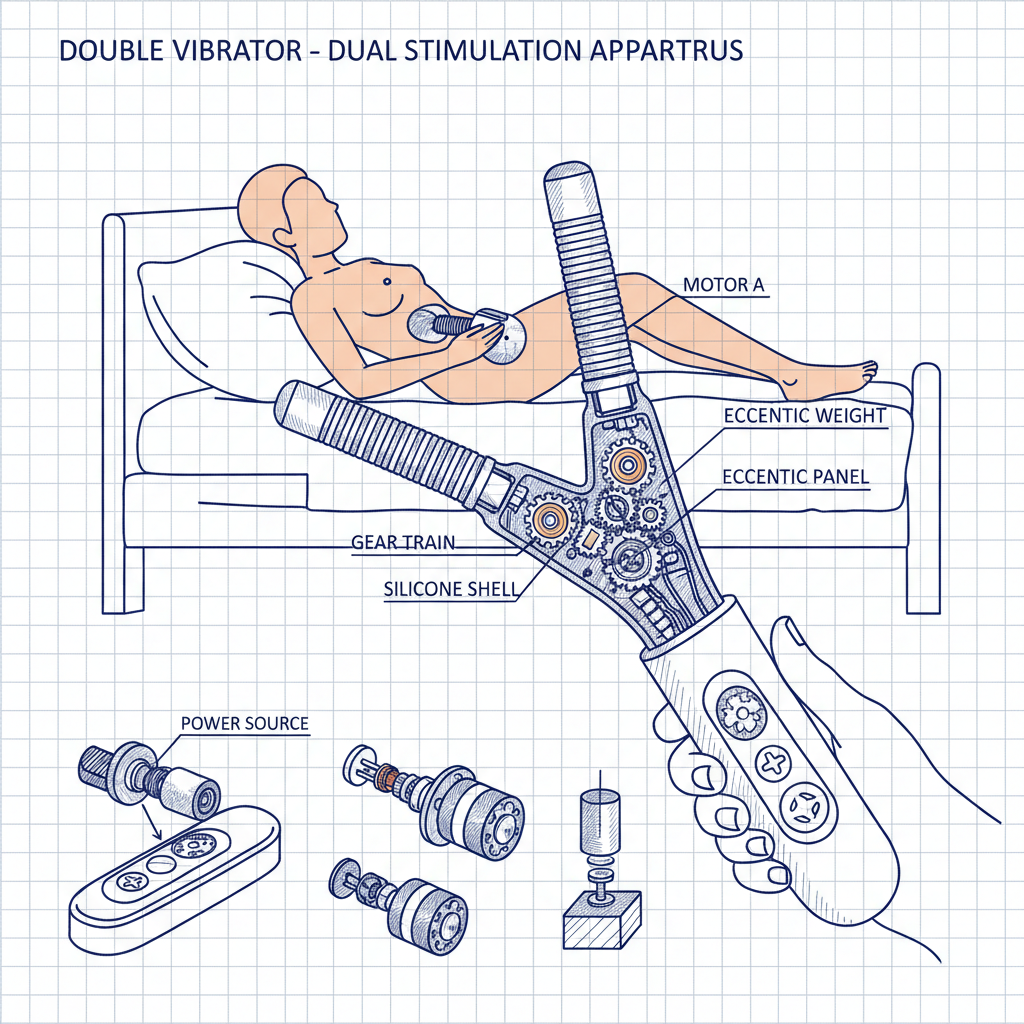
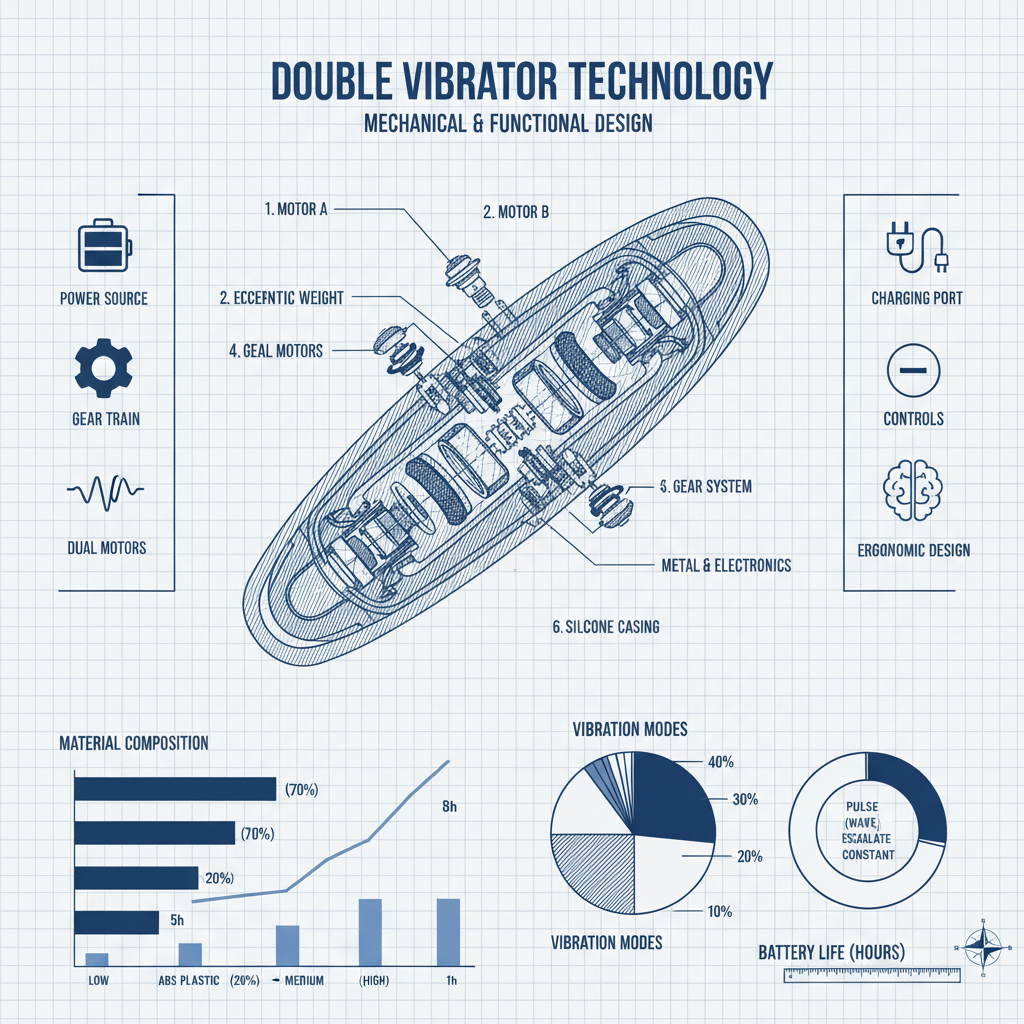
Let’s talk about what makes these things tick. It’s not just about the vibrations themselves. It’s the whole package: the power source, the vibrator heads, the shaft, and the control system. A robust power source is key - you need consistent power to maintain the vibration frequency and amplitude.
Then you have the vibrator heads themselves. Different head geometries are designed for different applications. Larger heads are good for consolidating larger volumes of concrete, while smaller heads are better for congested areas. And the shaft needs to be rigid enough to transmit the energy efficiently without bending or buckling.
Double Vibrater Performance Metrics
Real-World Applications of Double Vibrater Globally
I've seen these things in action on massive bridge projects in California, where they're dealing with high-strength concrete and complex geometries. They’re also invaluable in precast concrete plants, where consistency is key to producing high-quality products.
In Europe, they’re using double vibrater for tunnel linings, ensuring a watertight and durable structure. And in Asia, they're critical for high-rise construction, consolidating concrete in heavily reinforced sections. It's not just about big projects though; smaller contractors are also realizing the benefits for residential foundations and slabs.
The Long-Term Value and Advantages of Utilizing Double Vibrater
Look, concrete is an investment. You want that investment to last. Properly consolidated concrete is less prone to cracking, spalling, and other forms of deterioration. That means lower maintenance costs and a longer service life. It's a simple equation.
Beyond durability, there's the increased productivity. A double vibrater can significantly reduce consolidation time, allowing crews to move on to other tasks. And that translates directly to cost savings. It’s also safer for the workers - less manual labor, less strain, and a more controlled process. That's a win-win.
Ultimately, using a double vibrater isn’t just about building a structure; it's about building trust. It’s about demonstrating a commitment to quality, safety, and long-term performance. That’s what clients are looking for, and that’s what separates a good contractor from a great one.
Future Trends and Innovations in Double Vibrater Technology
We're seeing a move towards smarter vibrators, equipped with sensors and data analytics. These systems can monitor vibration levels in real-time, providing feedback to operators and ensuring optimal consolidation. It's about taking the guesswork out of the process.
Another trend is the development of wireless vibrators, eliminating the need for cumbersome cables. This increases maneuverability and reduces the risk of tripping hazards. And we’re also seeing advancements in battery technology, leading to longer runtimes and reduced environmental impact.
I also think we'll see more integration of double vibrater technology with Building Information Modeling (BIM) software, allowing for virtual simulation of the consolidation process. This will help engineers optimize the placement of vibrators and predict the performance of the concrete.
Overview of Double Vibrater Performance Analysis
| Consolidation Method |
Air Void Reduction (%) |
Consolidation Time (minutes) |
Operator Fatigue Level (1-5) |
| Hand Rodding |
25 |
45 |
5 |
| Single Vibrator |
50 |
30 |
3 |
| Double Vibrater - Low Frequency |
75 |
25 |
2 |
| Double Vibrater - Medium Frequency |
85 |
20 |
1 |
| Double Vibrater - High Frequency |
90 |
18 |
1 |
| Self-Consolidating Concrete + Double Vibrater |
95 |
15 |
1 |
FAQS
The biggest benefit is more consistent consolidation, especially in complex forms or areas with dense rebar. A double vibrater distributes energy more evenly, reducing the risk of voids and improving concrete density. You’ll see better surface finishes and increased strength. It’s about getting a more reliable result, and reducing the chance of costly rework.
Frequency impacts how quickly the concrete consolidates and the size of the air bubbles that are released. Higher frequencies are generally better for finer-grained concretes, while lower frequencies work well for larger aggregates. It’s a balancing act; too high a frequency can cause segregation, while too low a frequency won’t effectively remove all the air. The right setting depends on the mix design and the application.
Generally, yes, but you need to adjust the settings accordingly. Self-consolidating concrete (SCC) often requires lower vibration levels, while high-strength concrete might need higher frequencies. Always consult the concrete mix design and follow the manufacturer's recommendations for the double vibrater.
Regular inspection and cleaning are crucial. Check the vibrating heads for wear and tear, lubricate moving parts, and inspect the power cables for damage. Proper storage is also important – keep it clean and dry when not in use. Following the manufacturer’s maintenance schedule will extend its lifespan considerably.
Always wear appropriate personal protective equipment (PPE), including safety glasses, gloves, and hearing protection. Never operate a damaged vibrator. Ensure the power supply is properly grounded, and avoid using the vibrator in wet conditions. Be aware of your surroundings and keep bystanders at a safe distance.
The ROI can be significant. Reduced rework, improved concrete quality, and increased productivity all contribute to cost savings. While the upfront cost is higher, the long-term benefits usually outweigh the investment. We've seen projects where the savings from reduced repairs and extended service life have paid for the vibrator within a year.
Conclusion
So, there you have it. Double vibrater isn't just another piece of equipment; it’s a system for building better, more durable, and more reliable concrete structures. It's about reducing risk, increasing productivity, and ultimately, delivering a higher-quality product that stands the test of time. From the job site to the boardroom, it's an investment that pays off.
The future of concrete construction is about smarter tools and more efficient processes. Double vibrater technology is evolving rapidly, and I expect to see even more innovation in the years to come. If you're serious about concrete, and you want to build structures that last, I urge you to take a closer look. Visit our website at double vibrater to learn more.