Look, adult products wholesale… it's not glamorous work, alright? Been doing this for fifteen years, traipsing through factories, smelling rubber and silicone all day. To be honest, it's seen a massive shift recently. Everyone wants “premium” now. Forget that cheap stuff – people are after quality, materials that feel right, you know? It's all about the experience, and that starts with the raw materials. It’s funny, though, chasing premium often leads to more headaches.
Have you noticed how everyone’s jumping on the biodegradable bandwagon? Good intention, sure, but the stuff just isn’t durable enough for a lot of applications. I encountered this at a factory in Guangdong last time, the stuff was crumbling after, like, two weeks. The engineer was pulling his hair out. Anyway, I think people are realizing you can't just slap a “green” label on something and expect it to perform. It’s a balancing act.
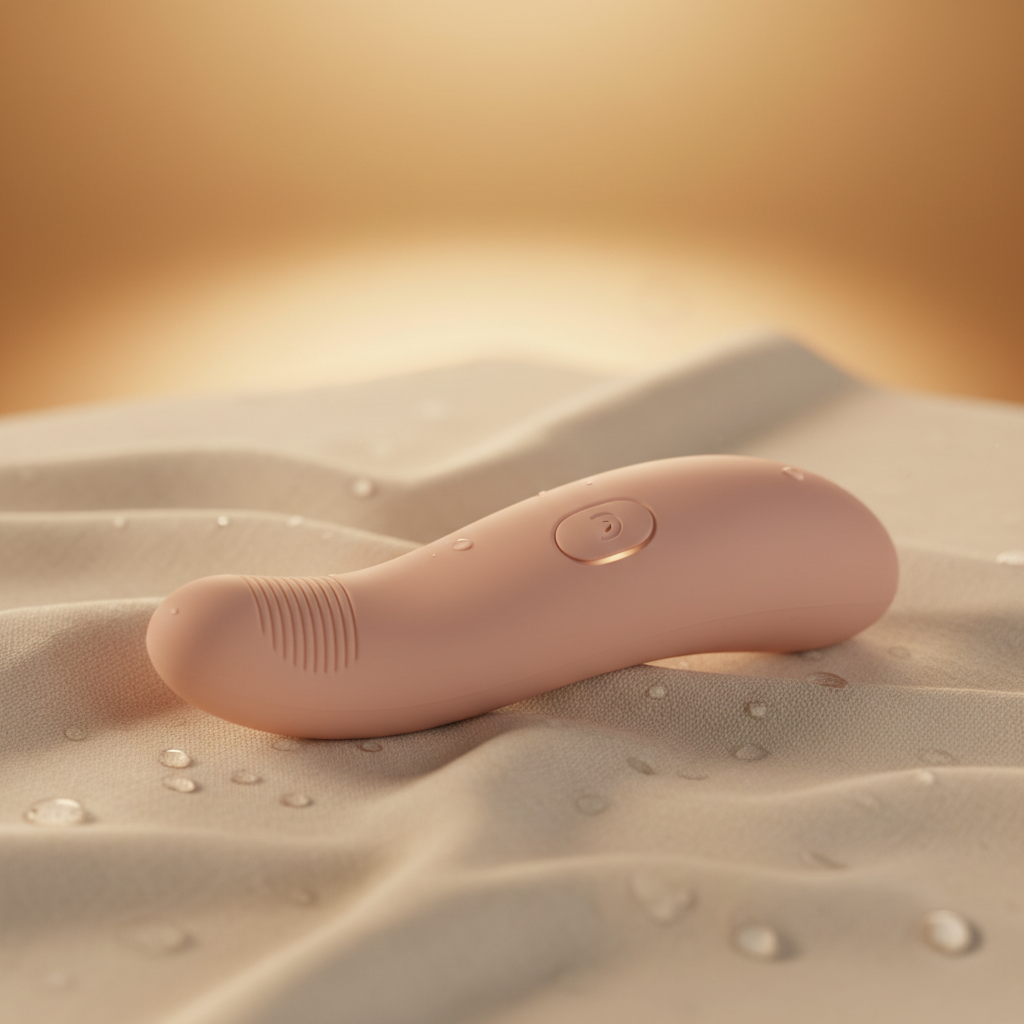
And the designs… oh boy, the designs. So many people overthink it. They want curves and textures and ergonomic this and that. Simple, functional designs are almost always better. Less to break, easier to manufacture, and frankly, the customer doesn't usually notice the subtle nuances anyway.


Strangely enough, the biggest trend I’m seeing isn’t what people are buying, but how they’re buying. Direct-to-consumer is huge, obviously, but it's also the demand for smaller batch orders, more customization. People don't want mass-produced stuff anymore, they want something a little different. That's good for some, a nightmare for others. And it's all pushing prices up, unfortunately.
The design pitfalls? Over-engineering is a big one. I saw a prototype last year with, like, seventeen moving parts. Seventeen! Who’s gonna assemble that? And who's gonna fix it when it breaks? Simplicity, I tell ya. It's always simplicity. And another thing… don't underestimate the power of a good, solid handle. Seems basic, but it makes all the difference.
Honestly, medical-grade silicone is the gold standard. It’s biocompatible, durable, and feels fantastic. TPE is used a lot for cheaper options, but the quality control needs to be super tight to avoid issues with odor or degradation. Then you've got ABS plastic for casings, but it needs to be high-impact resistant. It's all about balancing cost and performance, really. The feel is crucial, you have to pick up the product and just know it's good quality.
Huge. Especially with the rise of direct-to-consumer brands. They want their products to stand out, so they’re constantly looking for ways to differentiate themselves. Color, texture, even small design tweaks can make a big difference. It adds complexity to the manufacturing process, of course, but it’s worth it if it means landing a big order. I've seen companies completely retool a line just for one customer.
Over-engineering. Hands down. They try to pack too many features into a single product, and it just becomes a mess. Simplicity is key. Focus on doing a few things really well, rather than trying to do everything. Also, ignoring user feedback. I've seen designs that looked great on paper but were completely impractical in real life. It's not about what you think looks good; it's about what the customer wants.
Material defects are always a problem – inconsistent silicone batches, plastic cracking, that kind of thing. Assembly errors are another big one. And cosmetic defects – scratches, blemishes – those can be a pain to catch. We’ve got a team of inspectors who are trained to spot these issues, but it’s still a constant battle. It's a lot of repetitive work, honestly.
We follow ISO 13485 – it's the standard for medical device manufacturing, so it’s pretty rigorous. We test for biocompatibility, toxicity, and durability. We also do regular audits of our suppliers to make sure they’re meeting our standards. It’s a lot of paperwork, but it’s essential. You can’t cut corners when it comes to safety. Period.
Supply chain disruptions, definitely. The cost of raw materials has gone through the roof in the past year. Finding reliable suppliers is becoming increasingly difficult. And the regulatory landscape is constantly changing. You have to stay on top of it all. Also, the competition is fierce. It’s a crowded market, and you have to constantly innovate to stay ahead.
So, there you have it. Adult products wholesale isn’t just about silicone and plastic. It's about understanding materials, anticipating user needs, and obsessing over quality control. It's a complicated business, but it's also incredibly rewarding when you get it right.
Looking ahead, I think we’ll see more focus on sustainability, customization, and direct-to-consumer sales. The companies that can adapt to these trends will be the ones that thrive. Ultimately, whether this thing works or not, the worker will know the moment he tightens the screw.