Understanding how to buy a vibrator requires more than just browsing a catalog; it involves aligning personal sensory preferences with material safety and mechanical functionality. In the specialized field of plastics and rubber manufacturing, the difference between a mediocre device and a high-performance one often lies in the grade of silicone and the precision of the internal motor assembly.
Many first-time buyers struggle with "choice overload," facing a market filled with disparate technologies—from simple vibration to complex telescopic motions. The core challenge is identifying which mechanical action—such as kneading, thrusting, or pulsing—matches the user's anatomical needs while ensuring the product is hypoallergenic and durable.
This guide provides a professional framework for evaluating intimate wellness products, focusing on material science, stimulation dimensions, and supplier reliability to help you make an informed, safe, and satisfying purchase decision.

Prioritizing Material Safety and Body Compatibility

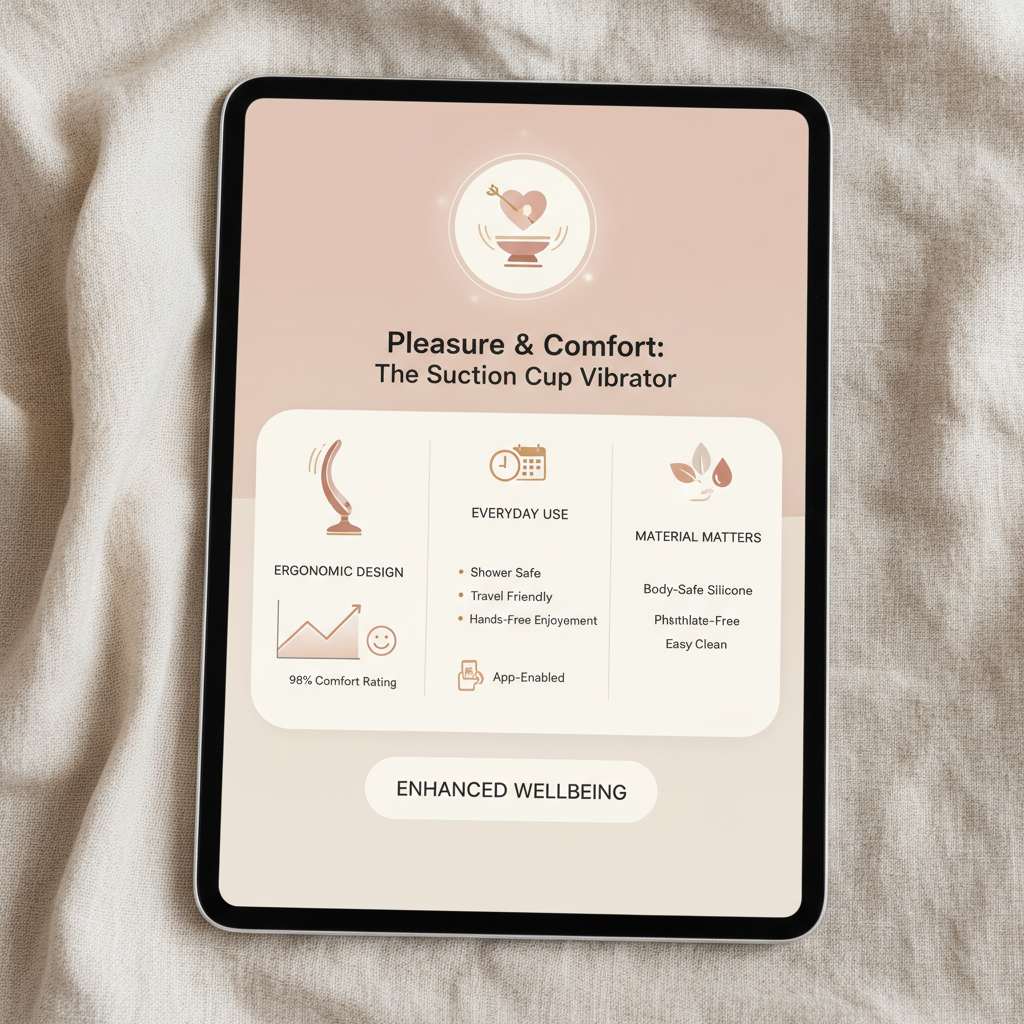
The most critical factor when learning how to buy a vibrator is the material composition. High-quality devices utilize 100% food-grade or medical-grade silicone, which is non-porous and hypoallergenic. This prevents the absorption of bacteria and ensures that the device does not cause irritation to sensitive mucosal tissues.
Avoid materials containing phthalates or porous plastics, as these can harbor microorganisms and leach chemicals over time. Professional manufacturers, such as Hebei Youngwill Health Technology Co., Ltd., emphasize the use of non-porous silicone to ensure that products remain hygienic and safe for long-term intimate use.
Analyzing Stimulation Mechanisms and Technology
Modern vibrators have evolved beyond simple oscillation. Buyers should look for "multi-dimensional stimulation," which combines different mechanical actions. For example, advanced rabbit vibrators now incorporate telescopic functions that mimic natural thrusting motions combined with internal rotating balls for a kneading effect.
When evaluating technology, distinguish between vibration (high-frequency shaking), pulsation (rhythmic pressure), and rotation (circular movement). A device that offers a synergy of these three—such as thrusting, kneading, and clitoral vibration—provides a more comprehensive sensory experience than a single-motor device.
Matching Device Ergonomics to Anatomical Needs
Ergonomics determine the ease of use and the precision of stimulation. A well-designed device features an anatomically correct tip and a handle that allows for secure positioning. For external stimulation, a "finger-grip" opening or a contoured shape ensures that the stimulator maintains contact without constant manual adjustment.
Consider the "reach" and "angle" of the device. For G-spot or internal stimulation, a curved shaft is essential to reach specific nerve centers. The balance between the weight of the device and its grip prevents hand fatigue, allowing the user to focus entirely on the sensory experience.
Evaluating Performance Metrics Across Categories
Different categories of vibrators prioritize different performance metrics. While a bullet vibrator focuses on intensity and precision, a massage wand emphasizes power and coverage. The following illustrative index compares relative priorities across common product types to assist in selection.
This conceptual comparison shows that "Rabbit" and "Wand" types typically offer higher stimulation diversity, whereas "Bullet" types score highest in portability and precision. Buyers should choose a category based on whether they prioritize versatility or targeted intensity.
Operational Considerations: Noise and Power
Discretion is a key requirement for many users. The noise level of a vibrator is measured in decibels (dB). A professional-grade device typically operates below 60dB, which is roughly equivalent to a normal conversation, ensuring that the experience remains private.
Power source is equally important. Rechargeable batteries (USB) are generally preferred over disposable ones for both environmental reasons and consistent power delivery. A high-capacity battery ensures that the motor does not lose intensity as the charge drops, maintaining a steady frequency of stimulation.
Avoiding Common Purchasing Pitfalls
A common mistake when learning how to buy a vibrator is prioritizing aesthetics over material safety. Pearlescent finishes or "realistic" looks should not come at the expense of food-grade silicone. Always verify that the product is non-porous and free from harmful chemical additives.
Another pitfall is ignoring the "learning curve" of complex devices. While multi-action devices offer more, they may require more time to master. Buyers should check for intuitive control interfaces—such as simple buttons for mode switching—to ensure the device is user-friendly from the first use.
Strategic Decision Framework for Buyers
To finalize a purchase, buyers should use a weighted evaluation matrix. By comparing the desired stimulation type against the material and operational constraints, you can identify the most suitable solution. The table below provides a qualitative comparison of common approach types.
| Device Type | Primary Action | Best Use Case | Main Consideration |
|---|---|---|---|
| Rabbit Vibrator | Dual-Action/Telescopic | Combined Stimulation | Complexity of Modes |
| Bullet Vibrator | High-Frequency Vibration | Targeted Precision | Battery Lifespan |
| Massage Wand | Deep Tissue Vibration | Broad External Area | Noise Level/Size |
| Sucking Vibrator | Air-Pulse/Suction | Clitoral Focus | Lubricant Compatibility |
| Egg Vibrator | Remote Vibration | Discreet Wear | Signal Range/Stability |
| Dildo Vibrator | Internal Vibration | G-Spot Stimulation | Shaft Rigidity/Flex |
By aligning your specific goal—whether it is immersive internal massage or targeted external stimulation—with these categories, you can reduce the risk of purchasing an ineffective device.
Frequently Asked Questions
The safest choice is 100% food-grade or medical-grade silicone. It is non-porous, hypoallergenic, and does not leach chemicals, making it ideal for intimate contact.
Check the decibel (dB) rating in the specifications. Devices operating below 60dB are generally considered discreet and suitable for private environments.
Vibration is a rapid back-and-forth oscillation, while telescopic motion is a linear thrusting movement that mimics natural rhythmic penetration.
Yes, rechargeable devices typically offer more consistent power, higher intensity levels, and are more cost-effective and sustainable in the long run.
Use warm water and a mild, unscented soap or a specialized toy cleaner. Ensure the device is fully dry before storing it in a cool, dry place.
Start with the lowest vibration setting and use a water-based lubricant to reduce friction. You can also place the device over clothing to dampen the intensity.
Conclusion
Buying a vibrator is a decision that should be based on a combination of material safety, mechanical preference, and ergonomic fit. By prioritizing medical-grade silicone and understanding the difference between vibration, rotation, and telescopic motions, you can ensure a product that is both safe and effective for your specific needs.
For those seeking high-quality, innovatively engineered solutions, you can review the available product information and explore professional manufacturing standards at www.youngwilltoy.com to find a device that aligns with your wellness goals.