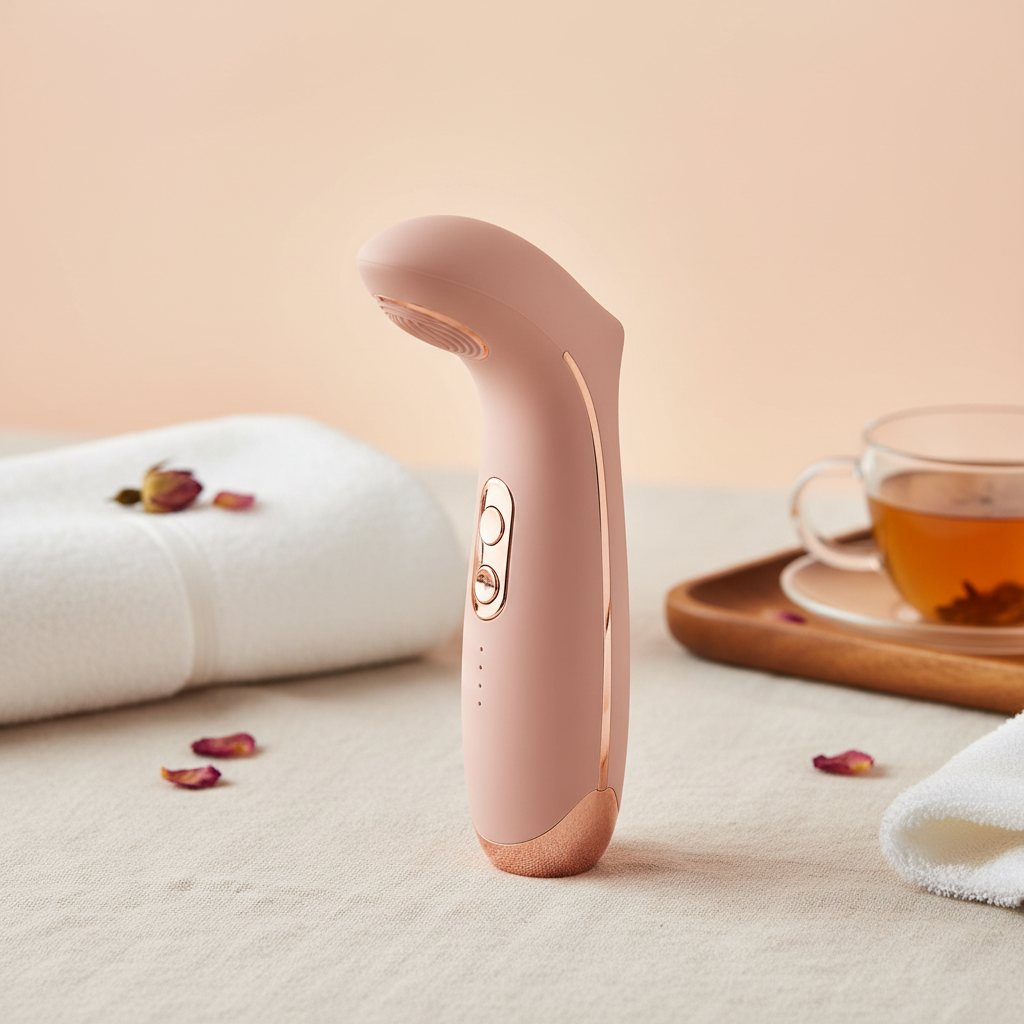
When evaluating the market for adult wellness products, the variance in vibrator price often leaves buyers questioning what actually drives the cost of a device. Is it the brand prestige, the raw materials, or the underlying mechanical complexity that justifies a premium tag?
For B2B procurement managers and retail distributors, understanding these pricing drivers is essential for maintaining competitive margins while ensuring product safety and consumer satisfaction. The shift from simple vibration to advanced robotic thrusting has fundamentally altered the cost structure of the industry.
This analysis explores the intersection of material science, mechanical engineering, and market positioning to provide a comprehensive guide on how to assess value in the current adult toy landscape.

Decoding the Cost Drivers of Modern Intimate Devices

The perceived value of an intimate device is rarely a reflection of a single factor. Instead, the final vibrator price is a composite of R&D investment, material certification, and the sophistication of the internal drive systems. Low-cost alternatives often rely on basic offset-weight motors, whereas premium devices integrate complex circuitry and synchronized actuators.
In the realm of high-end manufacturing, the transition toward "Hyper-Realism" adds a significant layer of cost. Achieving an anatomically precise texture requires advanced mold development and high-grade silicone processing, which increases the initial tooling expenditure compared to generic shapes.
Furthermore, the integration of dual-stimulation systems—such as combining an internal thrusting mechanism with an external clitoral stimulator—requires tighter tolerances and more robust internal housing, pushing the product into a higher price bracket due to the increased assembly complexity.
Technical Specifications That Influence Market Value
Mechanical innovation is the primary differentiator in the luxury segment. The shift from passive vibration to active robotic motion represents a leap in engineering. A thrusting mechanism, for instance, requires a motorized lead screw or cam system that converts rotational motion into linear movement, which is inherently more expensive to produce than a simple vibrating motor.
Material choice also plays a critical role. Food-grade, hypoallergenic silicone is non-porous and safe for sensitive skin, but its processing requires strict temperature controls and curing cycles. This ensures the final product is free of phthalates and other harmful chemicals, a standard that budget manufacturers often bypass.
Battery capacity and charging efficiency further modulate the cost. High-density lithium-polymer batteries with magnetic charging ports offer better user convenience and longevity, adding to the bill of materials (BOM) but increasing the product's lifecycle value for the end consumer.
Strategic Application and User Demand Scenarios
Understanding the application scenario is key to selecting the right product tier. For users seeking psychological immersion, realistic dildos and rabbit vibrators with skin-like textures are the priority. In these cases, the buyer is paying for the sensory authenticity and the visual precision of the mold.
Conversely, in BDSM or power-play contexts, the demand shifts toward durability and versatility. Products like strap-on vibrators or sex machines require reinforced frames and higher torque motors to withstand prolonged use and higher pressure, shifting the cost focus toward structural integrity.
For the general wellness market, bullet and egg vibrators serve as entry-level tools. These products prioritize discretion and portability, where the value proposition is based on efficiency and ease of use rather than complex mechanical movement.
Comparative Performance Benchmarks for High-End Models
When comparing standard vibrators with advanced thrusting models, the difference in "stimulation depth" and "rhythmic consistency" becomes apparent. Standard motors produce a surface-level buzz, whereas mechanical thrusting provides a deep, targeted internal sensation that mimics natural intimacy.
The following data illustrates the relative performance increase in sensory immersion and durability when moving from basic vibration to integrated mechanical systems.
vibrator price Performance Metrics
As indicated, the leap in user immersion is significant when the device employs synchronized dual-action systems. While the cost is higher, the utility—measured by the ability to reach blended orgasms—increases proportionally, justifying the investment for the target demographic.
Procurement Framework for Quality Assurance and Safety
For professional buyers, price should never be the sole metric. A procurement framework must prioritize compliance with international standards such as CE, RoHS, and FDA. These certifications ensure that the materials used in the production of silicone plugs or vibrating dildos are non-toxic and safe for long-term mucosal contact.
Quality control should involve a multi-stage inspection process. From raw material screening to finished product lifespan analysis, the implementation of a six-plus quality check system reduces the return rate and increases customer trust, which ultimately protects the ROI of the inventory.
Additionally, evaluating the supplier's OEM/ODM capabilities allows brands to customize colorways and logos, ensuring that the product aligns with the brand's market positioning without sacrificing the technical quality of the device.
The Evolution of Material Innovation in Adult Tech
The industry is seeing a significant shift toward bio-compatible polymers and advanced silicone blends that better mimic human skin. This evolution is driven by a consumer demand for higher psychological immersion, moving beyond simple functionality toward a holistic sensory experience.
Future trends may include the integration of smart sensors and AI-driven rhythm adjustment, which could allow devices to adapt to the user's physiological responses in real-time. While this would further increase the vibrator price, it would transition the product from a tool to an intelligent wellness companion.
Sustainability is also becoming a focal point. The industry is likely to explore recyclable medical-grade materials and more energy-efficient motor designs to reduce the environmental footprint of mass-produced intimate toys.
Investment Guide for Product Category Selection
Selecting the right product mix requires balancing high-margin luxury items with high-volume entry-level products. The following table categorizes common product types based on their technical complexity and target market segment to assist in inventory planning.
By diversifying the portfolio across these dimensions, retailers can capture a wider range of consumer budgets while maintaining a professional brand image.
| Product Category | Primary Driver | Complexity Level | Target Segment |
|---|---|---|---|
| Basic Vibrators | Portability | Low | Entry-level Users |
| Realistic Dildos | Texture/Mold | Medium | Immersion Seekers |
| Thrusting Rabbits | Robotic Motion | High | Premium Wellness |
| BDSM Equipment | Durability | Medium | Niche Specialists |
| Massage Wands | Motor Power | Medium | General Relaxation |
| Sex Machines | Structural Load | Very High | Luxury Enthusiasts |
Ultimately, the most successful procurement strategies prioritize the balance between mechanical innovation and material safety, ensuring that every product in the lineup delivers a consistent and safe user experience.
Frequently Asked Questions
Conclusion
The complexity of determining a fair vibrator price lies in the balance between technical innovation and material integrity. As the industry moves toward hyper-realism and robotic integration, the value is increasingly found in the precision of the engineering and the safety of the components.
For those seeking to integrate high-quality adult health solutions into their business, reviewing the comprehensive product ranges and manufacturing capabilities available through www.youngwilltoy.com can provide the necessary insights to make an informed procurement decision.