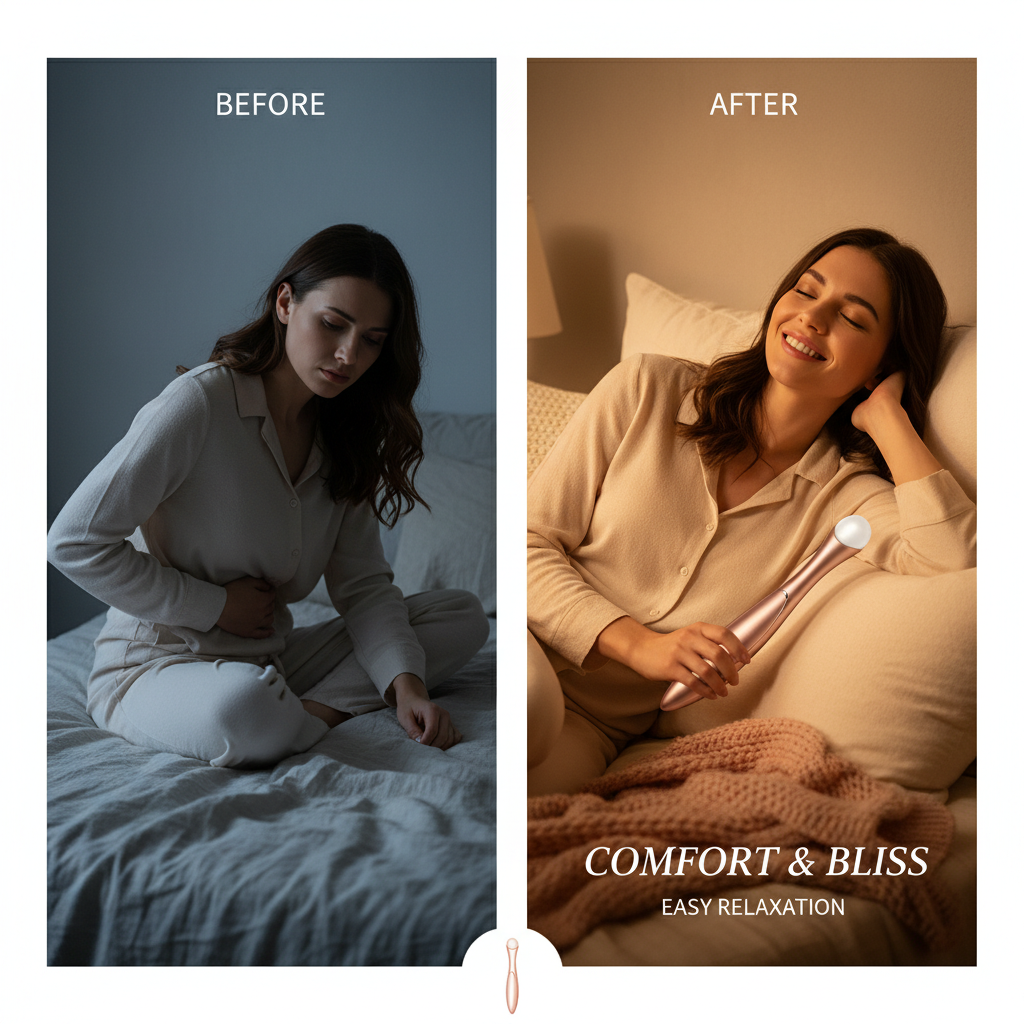
The search for high-performance intimacy hardware often leads users to the intersection of mechanical engineering and anatomical study. When consumers decide to buy vibration plate style devices or advanced thrusting systems, they are typically looking for more than just basic oscillation; they are seeking a synthesis of rhythm, texture, and precision.
The adult wellness market has shifted from simple battery-operated vibrators to complex robotic systems that mimic human biological movement. This evolution is driven by the demand for hyper-realism, where the psychological impact of visual authenticity is paired with the physical impact of dynamic thrusting mechanisms, moving beyond static stimulation toward immersive experiences.
Understanding the technical distinctions between these modalities is essential for making an informed procurement decision. This analysis explores the mechanics of realistic simulation, the materials that ensure safety, and the evaluation frameworks used to distinguish professional-grade hardware from entry-level alternatives.


Modern intimacy hardware has moved beyond simple vibration to focus on the "psychological appeal of a lifelike companion." This is achieved through anatomical precision, where the visual replication of male anatomy—including skin texture and pronounced veins—serves to lower the cognitive barrier to immersion.
By integrating these visual cues with advanced mechanical robotics, manufacturers can provide a consistent, tireless performance that mimics the natural rhythms of human intimacy, which is a significant leap over traditional static vibrators.
The core innovation in high-end devices, such as the Realistic Thrusting Rabbit Vibrator, lies in the synchronized dual-stimulation system. Unlike standard devices that focus on a single point of contact, these systems decouple internal movement from external vibration, allowing for simultaneous, harmonized attention to different erogenous zones.
The internal thrusting mechanism generates linear in-and-out motions that specifically target the G-spot. This movement is fundamentally different from vibration; while vibration stimulates nerves through high-frequency oscillation, thrusting simulates presence and activity, providing a deeper, more targeted sensation.
Complementing the thrusting shaft is an externally mounted clitoral stimulator. This dual-action approach ensures that the device addresses both internal and external needs, significantly increasing the potential for blended orgasms and a more comprehensive sensory experience.
Safety and tactile authenticity depend entirely on the material selection. The industry has largely standardized on food-grade, hypoallergenic silicone because of its unique combination of softness, pliability, and non-porous nature.
The use of 100% non-porous, hypoallergenic silicone is the critical benchmark for hygiene, as it prevents the accumulation of bacteria and ensures the device remains safe for sensitive skin over long-term use.
Beyond safety, the material is engineered to mimic the warmth and yield of human skin. This tactile realism, combined with a luxurious pearl-white finish, elevates the product from a mere tool to a sophisticated wellness device, meeting the aesthetic expectations of modern global consumers.
Evaluating the effectiveness of a thrusting system requires looking at the interaction between stroke length, frequency, and vibration intensity. While a simple vibration plate provides surface-level stimulation, a mechanical thrusting system introduces a dimensional variable: depth.
The relative value of these features depends on the user's goal. For those seeking total immersion, the synchronization of the thrusting rhythm with external vibration is the most critical performance indicator, as it creates a seamless sensory loop.
For international brands and e-commerce platforms, the ability to differentiate products in a crowded marketplace is paramount. The integration of OEM/ODM capabilities allows businesses to customize color palettes and apply logo silk-screening, ensuring the product aligns with specific brand identities.
In a typical retail setting, the "Realistic Thrusting" category appeals to users who have exhausted the benefits of basic vibrators and are moving toward "health technology" solutions. By positioning these products as an intersection of advanced robotics and intimate wellness, retailers can target a more sophisticated consumer segment.
The trajectory of the industry is moving toward greater autonomy and smarter feedback loops. We are seeing a transition from pre-set patterns to adaptive rhythms that can respond to user interaction in real-time, further blurring the line between mechanical performance and natural intimacy.
The primary challenge remains the balance between power and noise. As manufacturers implement more powerful thrusting motors, the focus is shifting toward sound-dampening materials and energy-efficient circuitry to maintain discretion without sacrificing the intensity of the experience.
Furthermore, the expansion of global compliance standards (CE, RoHS, FDA) is pushing the industry toward a higher baseline of safety. Future iterations will likely see the integration of smarter materials that can adjust their firmness or temperature, adding another layer of realism to the physical encounter.
Choosing the right device requires a systematic approach to evaluation. Users should not simply look for the most "powerful" motor, but rather the one that offers the best synchronization between different modes of stimulation.
Trade-offs are inevitable; for instance, extremely realistic textures may require more careful cleaning than smooth surfaces. Similarly, high-torque thrusting mechanisms may have a shorter battery life than simple vibration plates.
The following framework provides a relative assessment of different device categories to help buyers identify which technical specifications align with their specific needs.
| Feature Focus | Basic Vibrator | Thrusting Rabbit | Robotic System |
|---|---|---|---|
| Stimulation Type | Oscillation | Linear + Vibration | Multi-axis Motion |
| Tactile Realism | Low (Smooth) | High (Anatomical) | Extreme (Custom) |
| Immersion Level | Functional | Psychological | Experiential |
| Maintenance | Simple | Moderate | Complex |
| Primary Use Case | Quick Relief | Deep Exploration | Long-term Companion |
| Tech Complexity | Low | Medium | High |
A standard vibration plate or vibrator relies on high-frequency oscillation to stimulate nerves. In contrast, a thrusting vibrator uses a mechanical internal system to create a linear, in-and-out motion. This mimics the rhythmic activity of natural intimacy and provides deeper, targeted stimulation to the G-spot, which static vibration cannot achieve. The result is a more physical sense of "presence" and movement.
Food-grade, hypoallergenic silicone is the gold standard because it is non-porous. This means it does not trap bacteria, making it significantly more hygienic than TPE or PVC. Additionally, it is skin-safe and pliable, allowing it to mimic the feel of human skin while remaining durable enough to withstand the mechanical stress of thrusting systems without degrading over time.
Dual-stimulation refers to the simultaneous targeting of two different erogenous zones—typically the internal G-spot via thrusting and the external clitoris via vibration. By synchronizing these two distinct types of stimulation, the device can create a "blended" sensation, which often leads to more intense and comprehensive orgasms compared to focusing on only one area.
Yes, professional manufacturers like Hebei Youngwill Health Technology Co., Ltd. provide extensive OEM/ODM services. This includes customizing the pearl-white finish to other colors and adding brand logos through silk-screening. This allows retailers to align the product with their own brand identity while leveraging mature engineering and ISO 9001 certified production standards.
When evaluating longevity, check for the motor's grade and the manufacturer's warranty. High-end robotic systems are designed for consistent, tireless performance. Proper maintenance—such as cleaning with mild soap and avoiding abrasive lubricants—is essential to ensure the silicone remains intact and the internal mechanical components operate without friction-based wear.
No, it is a psychological tool. The inclusion of realistic skin textures and anatomical details is designed to enhance total immersion. By satisfying the visual and tactile expectations of the user, the device reduces the "mechanical" feel and increases psychological arousal, which complements the physical stimulation provided by the thrusting and vibrating systems.
The evolution of intimate hardware is moving steadily toward a synthesis of biological realism and mechanical precision. For those looking to buy vibration plate or thrusting alternatives, the focus should remain on the synergy between material safety, anatomical accuracy, and the synchronization of stimulation modes.
As we see a broader integration of robotic innovation and biocompatible materials, the gap between mechanical assistance and natural experience continues to close. The key to a successful procurement, whether for individual use or B2B retail, lies in prioritizing verified certifications and engineered performance over simple marketing claims.