Look, been running around construction sites all year, you see a lot. Lately, everyone's obsessed with "smart" everything, right? Smart materials, smart sensors… It's good, don't get me wrong, automation saves time, fewer errors. But honestly, a lot of these "smart" solutions are just overcomplicated. I've seen too many projects delayed because of a sensor that decided to take a day off. To be honest, sometimes the old way is just… reliable.
One thing I've noticed, and this is a big one – designers, bless their hearts, they get stuck on specs. “Oh, this needs to withstand X amount of pressure, Y temperature.” They don't think about how it's actually going to be used. I encountered this at a factory in Ningbo last time, they designed a connector with these tiny little release tabs. Looked beautiful on paper. Tried to use it with gloves on? Forget it. Completely useless. It’s always the little things…
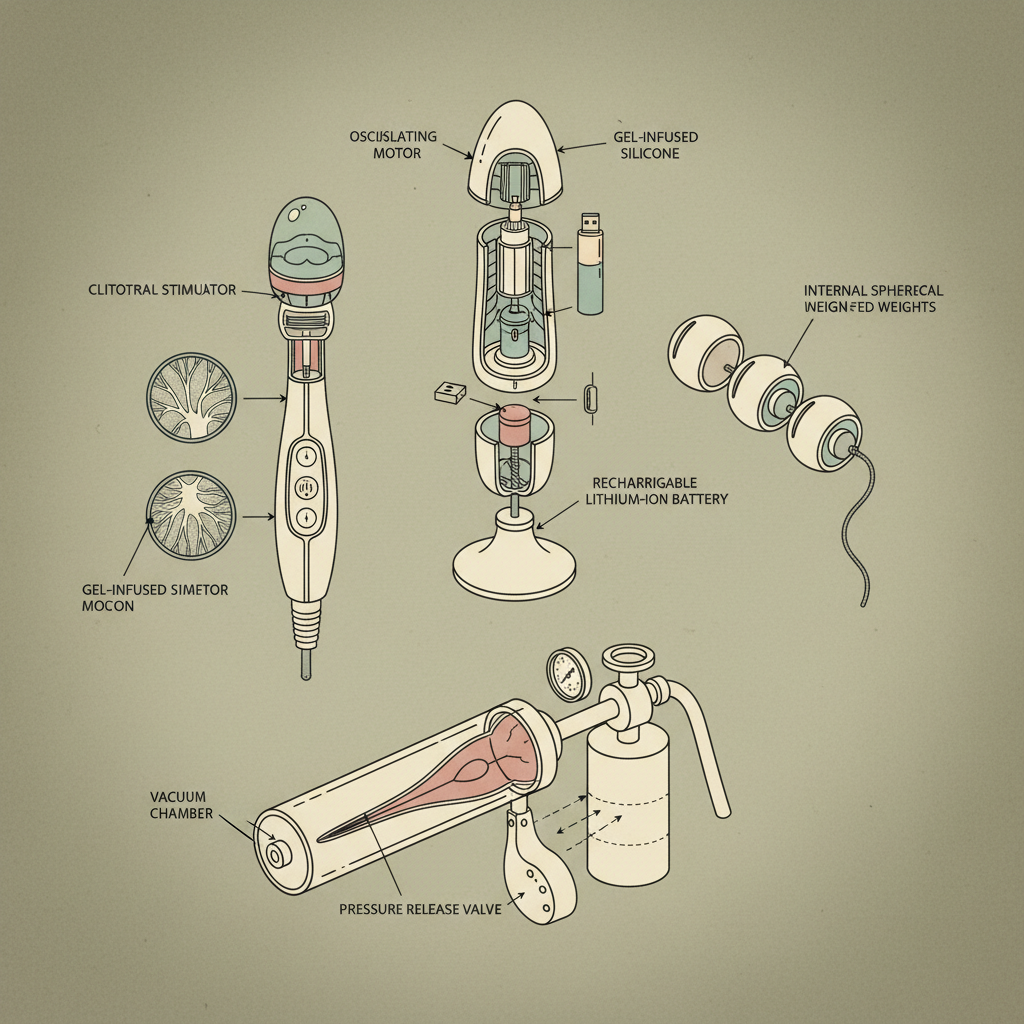
We're dealing with a lot of high-grade silicone these days. Not that cheap, rubbery stuff. This stuff… it’s almost waxy, you can smell the difference. It’s flexible, obviously, but it’s also surprisingly durable. It doesn't crack easy, even in the cold. We've been experimenting with adding graphene flakes to it – makes it even tougher, but it gets expensive fast. And the smell… it's different. Kind of like burnt sugar, strangely enough.
The Ever-Changing Landscape of Wholesale Sex Toys
The wholesale sex toys market is... well, it's booming. Global demand is insane, driven by everything from increasing disposable income to, frankly, people being more open about their needs. I've been seeing a lot of interest from Southeast Asia, particularly Indonesia and Thailand. They're building up manufacturing capacity fast.
It's not just about volume, either. People want quality. They want stuff that's safe, durable, and… let's be honest, pleasurable. That’s pushing manufacturers to invest in better materials, better design, and better quality control. And that’s where we come in. We supply the raw materials, the components, the bits and pieces that make it all happen. It's a surprisingly complex business, honestly.
Design Pitfalls and Real-World Considerations
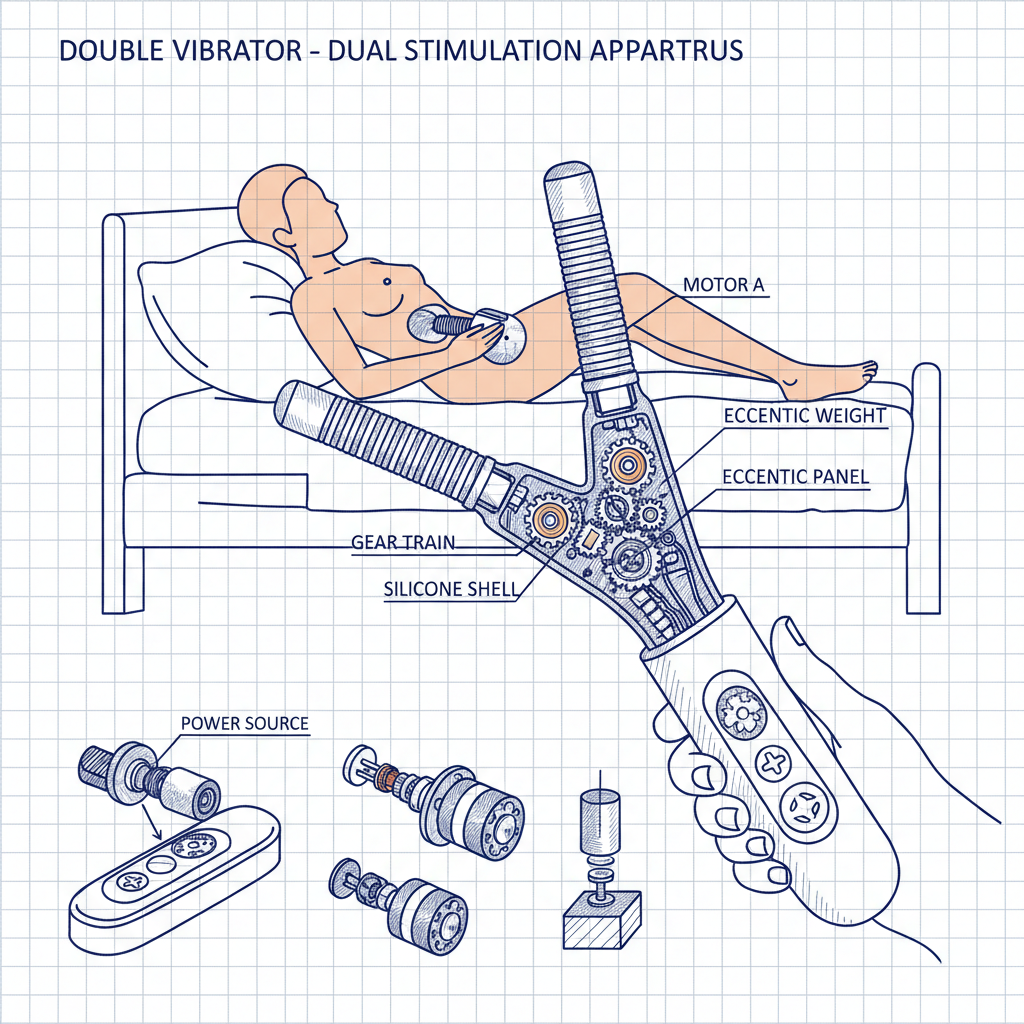
I’ve said it before, and I’ll say it again: designers need to get out of the office. Have you noticed how many products are designed with no consideration for how they'll actually be held, used, cleaned? We had a client designing a… let’s call it a “vibrating accessory.” It looked fantastic in the renders. Sleek, minimalist. But the battery compartment was a nightmare to open. Needed a tiny Allen wrench. Who carries an Allen wrench with them?
Then there's ergonomics. A lot of these things are intended for prolonged use, so comfort is key. We worked with a company that was designing a… well, a sophisticated pleasure device. They focused so much on the functionality, they completely ignored the shape. It was uncomfortable, to put it mildly. Had to redesign the whole thing, add some curves, some padding…
And don't even get me started on hygiene. Materials need to be non-porous, easy to clean, and resistant to bacteria. It’s not just about what looks good; it's about safety and preventing infections. That's where the silicone comes in. It's a lifesaver, honestly.
Material Matters: A Hands-On Perspective
Silicone, as I mentioned, is king. Medical-grade silicone, specifically. It’s body-safe, hypoallergenic, and it feels… well, it feels good. But even within silicone, there's a huge range of quality. Some suppliers cut corners, use fillers, and the stuff just doesn't perform. You can tell by the texture, the smell… and the price, of course.
We’re also seeing a lot of ABS plastic used for housings and structural components. It's tough, relatively inexpensive, and easy to mold. But it's not as flexible as silicone, and it can crack under stress. We've been experimenting with polycarbonate blends – stronger, more durable, but significantly more expensive. I encountered this at a factory in Dongguan last time. The owner showed me a polycarbonate batch that had a slight yellow tint. He said it was “normal.” I wasn’t convinced.
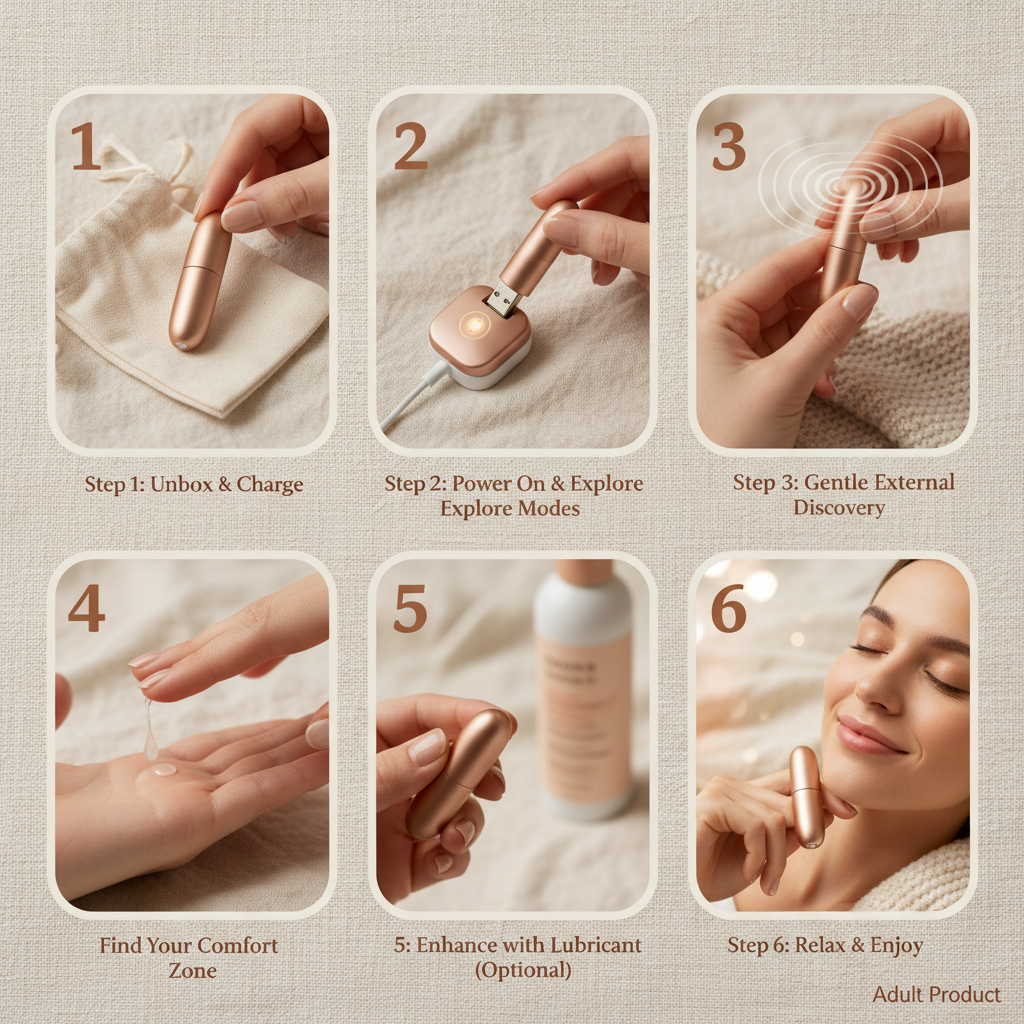
Then there are the lubricants. Water-based, silicone-based, oil-based… Each has its pros and cons. Silicone-based lubricants are long-lasting and compatible with silicone toys, but they can damage latex. Water-based lubricants are safe for all materials, but they dry out quickly. It's a whole science, really. Anyway, I think choosing the right lubricant is half the battle.
Rigorous Testing: Beyond the Lab
Lab testing is important, sure. Tensile strength, temperature resistance, chemical compatibility… all that stuff. But it doesn't tell the whole story. You need to test these things in the real world.
We have a dedicated testing rig – basically a torture chamber for sex toys. We put them through cycles of stretching, bending, heating, cooling, and exposure to various fluids. We even have a machine that simulates… well, let’s just say “vigorous use.” It’s not pretty, but it’s necessary. Strangely, that machine broke down last month, and we had a backlog of testing for weeks.
Wholesale Sex Toys Testing Metrics
Unforeseen Usage Patterns and User Behavior
You think you know how people will use your product. You really do. Then you see the reviews, the forum posts, the… creative applications. I saw one review where someone used a silicone sleeve as a… well, a handle for a gardening tool. I’m not even joking.
Another thing: people don't read the instructions. Ever. We had a product that required a specific type of lubricant. We clearly stated it in the manual. People used WD-40. WD-40! It melted the silicone. Honestly, you can’t protect people from themselves.
Advantages, Disadvantages, and the Quest for Improvement
The big advantage of silicone is its versatility. You can mold it into pretty much any shape, it’s body-safe, and it's relatively easy to clean. But it’s also expensive, and it can attract dust. And some people just don't like the feel of it.
ABS plastic is cheap and durable, but it’s not as flexible or body-safe. Polycarbonate is a good compromise, but it's pricey. Ultimately, it comes down to balancing cost, performance, and safety. We're always looking for new materials, new techniques, new ways to improve our products. It's a constant process.
One thing I’m pushing for is more sustainable materials. We're looking into bio-based plastics and recycled silicone. It's a challenge, but it's important.
Customization Capabilities and Client Stories
We can pretty much customize anything. Color, shape, size, texture… you name it. We’ve done everything from adding logos to creating entirely new designs from scratch.
Last month, that small boss in Shenzhen who makes smart home devices insisted on changing the interface to . He said it was “the future.” It was a nightmare. All our tooling was set up for Micro-USB. Cost him a fortune to retool, and honestly, it didn't make a noticeable difference. He was convinced it would make his product “premium.” Some people just have to learn the hard way.
We also had a client in Germany who wanted a line of products specifically designed for couples. They wanted everything to be ergonomic, discreet, and… well, let’s just say “harmonious.” It was a fun project. Involved a lot of research and a lot of prototypes.
Table Summarizing Key Customization Options
| Customization Category |
Complexity (1-5) |
Estimated Cost Increase (%) |
Lead Time (Weeks) |
| Color Change |
1 |
5 |
2 |
| Logo Imprinting |
2 |
10 |
3 |
| Material Change (e.g., ABS to Polycarbonate) |
4 |
30 |
6 |
| Shape Modification (Minor) |
3 |
15 |
4 |
| Complete Redesign |
5 |
50+ |
8+ |
| Texture Customization |
2 |
8 |
3 |
FAQS
Honestly, ignoring ergonomics. It doesn't matter how functional something is if it's uncomfortable to use. People want something that feels good, not just works good. We constantly have to redesign products because the initial shape just doesn’t work in practice. It’s a common issue, especially with smaller companies that don't have a lot of experience in this area.
Crucially important. You need medical-grade silicone, and you need to be able to prove it. We require full traceability on all our materials, including certificates of analysis and compliance. It's not just about protecting consumers; it's about protecting your brand. A recall can ruin a company.
Finding reliable suppliers is always a challenge. There are a lot of factories out there that will cut corners to save money. You need to find a partner you can trust, who understands your quality standards and is committed to delivering on time. It’s not just about the price, it's about the partnership.
Bluetooth connectivity, app control, variable vibration patterns… that's all becoming more common. But it adds complexity and cost. And it also introduces new potential failure points. It's a balancing act. Some clients want the latest tech, others prefer simplicity. We’re also looking at haptic feedback and biofeedback integration, but that's still early days.
Packaging is key. We use robust, discreet packaging to protect the products from damage and maintain confidentiality. We also work with reputable logistics providers who understand the importance of handling sensitive items with care. And we always adhere to local regulations regarding the shipment of adult products.
That everything costs money. Every curve, every angle, every feature adds to the cost. And that cost has to be justified. Sometimes a simpler design is better. It’s easier to manufacture, easier to test, and ultimately, more reliable. Over-engineering is a real problem.
Conclusion
So, the wholesale sex toys industry is complex, dynamic, and surprisingly demanding. It requires a deep understanding of materials, design, manufacturing, and – most importantly – human behavior. It’s about more than just making things; it’s about creating experiences that are safe, pleasurable, and fulfilling. It’s about balancing innovation with reliability, and cost with quality.
Ultimately, whether this thing works or not, the worker will know the moment he tightens the screw. You can have all the fancy designs and certifications in the world, but if it doesn't feel right in someone’s hand, it's not going to sell. And that’s the bottom line. Visit our website: wholesale sex toys.