Youngwill. To become the most trusted innovation partner and solution provider in the global adult health industry.
0%

Table of Contents

The global market for personal massagers, encompassing devices like the g spot and clit vibrator, is experiencing significant growth, driven by increasing awareness of sexual wellness and changing societal attitudes. This growth isn't merely a trend; it reflects a broader movement towards self-care and body positivity. Understanding the nuances of these devices, their functionalities, and the science behind pleasure is increasingly important for both consumers and manufacturers. A key benefit of understanding g spot and clit vibrators is empowering individuals to explore their own bodies and enhance their intimate experiences.

The manufacturing of quality g spot and clit vibrators is a specialized field, requiring careful material selection, precise engineering, and adherence to stringent safety standards. The industry contributes to the economy through job creation in design, manufacturing, and distribution. Furthermore, the demand for innovative designs and features is driving research and development, leading to advancements in materials science and ergonomics. This also fosters a deeper understanding of human anatomy and physiological responses.

The relevance of g spot and clit vibrators extends beyond individual enjoyment. They provide a safe and accessible means for individuals to address issues related to sexual dysfunction and improve overall sexual health. The continued evolution of these products demonstrates a commitment to meeting diverse needs and preferences within the realm of personal wellness.
Exploring the Growth and Innovation in the g spot and clit vibrator Market

The Core Principles of g spot and clit vibrator Design

Exploring the Growth and Innovation in the g spot and clit vibrator Market

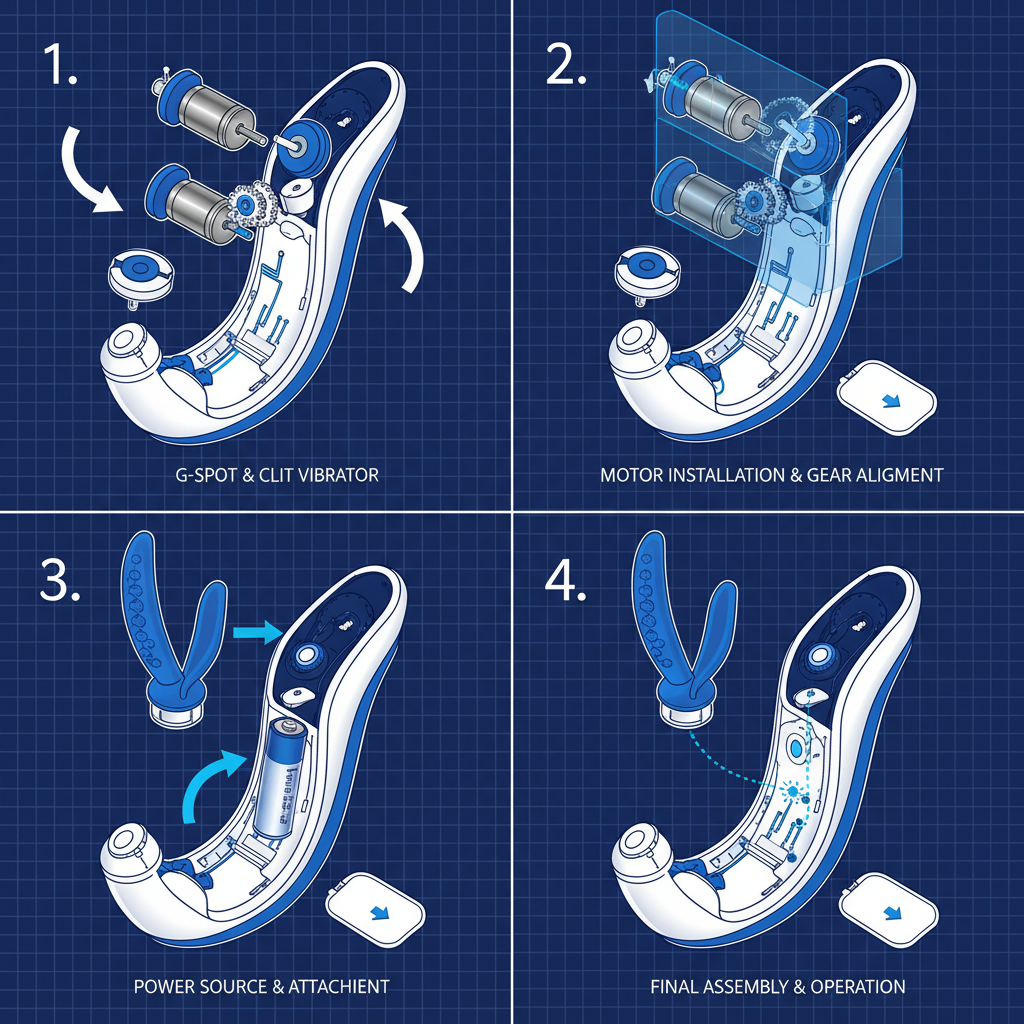
Effective g spot and clit vibrator design centers around several key principles: ergonomic comfort, targeted stimulation, and material biocompatibility. Ergonomic design ensures that the vibrator feels natural and comfortable in the hand or during internal use, minimizing discomfort and maximizing pleasure. The shape and size are crucial, catering to a diverse range of body types and preferences.

Targeted stimulation is achieved through precise motor placement and vibration patterns. A well-designed g spot and clit vibrator will deliver focused stimulation to these sensitive areas, enhancing arousal and orgasm. Advanced models offer variable intensity and pattern settings, allowing for customized experiences.

The Global Landscape of g spot and clit vibrator Manufacturing

The manufacturing of g spot and clit vibrators is increasingly globalized, with production hubs located in several countries. China currently dominates the market, producing a significant portion of the world's supply due to its cost-effective labor and established manufacturing infrastructure. However, other regions, including Europe and North America, are emerging as centers for high-end, innovative designs.

The global supply chain for these products is complex, involving sourcing of raw materials (silicone, ABS plastic, electronics), component manufacturing, assembly, and packaging. Ensuring ethical sourcing and fair labor practices throughout the supply chain is a growing concern for both manufacturers and consumers.

The competitive landscape is characterized by a mix of large established brands and smaller, niche players. Competition is fierce, driving innovation and a focus on product differentiation. E-commerce platforms have played a significant role in expanding market reach and providing consumers with greater choice.

Material Science in g spot and clit vibrator Production

The choice of materials is paramount in g spot and clit vibrator production, impacting both safety and performance. Medical-grade silicone is the most commonly used material due to its biocompatibility, non-porous nature, and ease of cleaning. It's hypoallergenic and doesn't harbor bacteria, ensuring a safe experience for users. The quality of silicone varies significantly; high-grade silicone is more durable and feels more pleasant to the touch.

ABS plastic is often used for the vibrator's housing, providing a rigid and durable exterior. However, it's crucial that the plastic is BPA-free and phthalate-free to prevent leaching of harmful chemicals. The internal components, such as motors and batteries, require careful selection for reliability and longevity. Waterproofing materials are essential for models designed for use in wet environments.

Emerging materials, such as thermoplastic elastomers (TPE), are gaining popularity due to their flexibility and cost-effectiveness. However, TPEs are generally less durable and more porous than silicone, requiring careful consideration of their suitability for specific applications. Ongoing research is focused on developing even more biocompatible and sustainable materials for g spot and clit vibrator production.

Performance Metrics of g spot and clit vibrator Technology

Assessing the performance of a g spot and clit vibrator involves evaluating several key metrics. Vibration frequency, measured in Hertz (Hz), determines the speed of the vibrations. Amplitude, the intensity of the vibrations, is typically measured in millimeters. A wider range of frequency and amplitude settings allows for greater customization and caters to individual preferences.

Battery life is another critical performance indicator. Longer battery life provides convenience and uninterrupted use. The power source (rechargeable vs. battery-operated) also impacts performance and environmental sustainability. Noise level is a significant factor, particularly for discreet use.

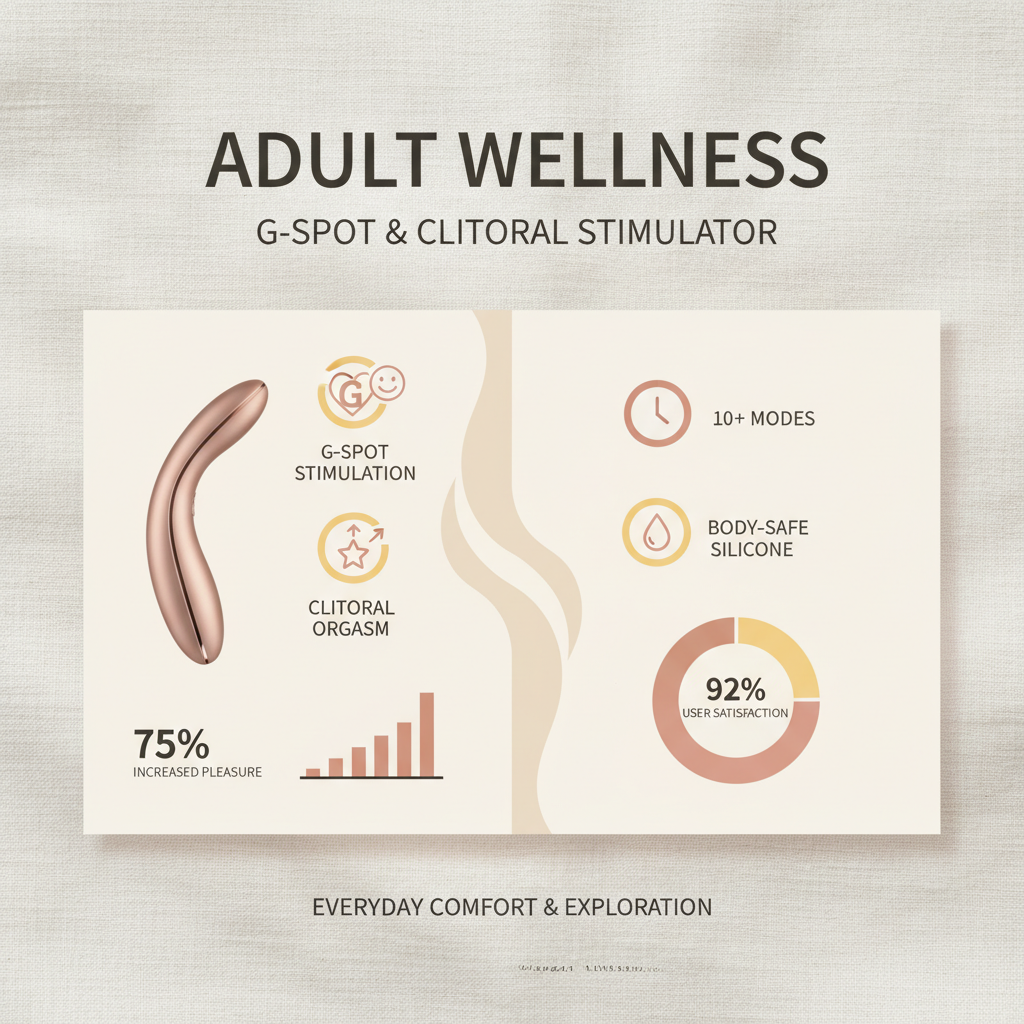
Performance Ratings of g spot and clit vibrator Features


Regulatory Compliance and Safety Standards for g spot and clit vibrator

The manufacturing and sale of g spot and clit vibrators are subject to varying levels of regulation depending on the country. In the United States, the Food and Drug Administration (FDA) regulates these devices as general wellness products. Compliance with FDA regulations ensures that the materials used are safe for skin contact and that the devices meet basic electrical safety standards.

In Europe, the Medical Device Regulation (MDR) imposes stricter requirements on manufacturers, including biocompatibility testing, risk assessment, and quality management systems. Manufacturers must obtain CE marking to demonstrate compliance with MDR standards. Adherence to these standards is crucial for ensuring consumer safety and building trust in the product.

The Economic Impact of the g spot and clit vibrator Industry

The g spot and clit vibrator industry generates significant economic activity, encompassing manufacturing, distribution, retail, and marketing. The industry provides employment opportunities across various sectors, from design and engineering to sales and customer service.

The rise of e-commerce has fueled market growth, enabling smaller brands to reach a wider audience and challenging established players. Increased consumer spending on self-care and wellness products has also contributed to the industry's expansion.

The industry's economic impact extends beyond direct revenue. It also stimulates innovation in materials science, manufacturing processes, and product design. Furthermore, it contributes to tax revenue and supports related industries, such as packaging and logistics.

Key Economic Indicators for g spot and clit vibrator Sales

Region Annual Sales Growth (%) Market Share (%) Employment Impact (Direct Jobs)
North America 8.5 35 12,000
Europe 7.2 30 10,500
Asia-Pacific 12.1 25 15,000
Latin America 6.8 5 2,500
Middle East & Africa 5.5 5 1,800
Global Total 8.9 100 42,300

FAQS

What materials are considered safe for g spot and clit vibrator construction?

Medical-grade silicone is the gold standard due to its biocompatibility, non-porous nature, and ease of cleaning. ABS plastic is common for housings but must be BPA-free and phthalate-free. Avoid materials with questionable chemical stability or potential for leaching. Always prioritize products that clearly state their material composition and certifications.

How important is waterproofing in a g spot and clit vibrator?

Waterproofing is highly desirable for ease of cleaning and use in the shower or bath. Look for vibrators with an IPX7 or higher waterproof rating, indicating they can withstand immersion in water. However, even waterproof devices should be thoroughly dried after use to prevent bacterial growth. Check the manufacturer’s guidelines for specific cleaning instructions.

What is the typical lifespan of a high-quality g spot and clit vibrator?

A well-maintained, high-quality g spot and clit vibrator can last for several years. Factors affecting lifespan include the quality of materials, frequency of use, and proper storage. Regular cleaning and avoiding extreme temperatures or harsh chemicals will extend its lifespan. Pay attention to any signs of wear and tear, such as cracks or damage to the housing.

Are there any safety concerns associated with using g spot and clit vibrators?

While generally safe, it's important to use g spot and clit vibrators responsibly. Avoid using damaged devices or those with exposed wiring. Use plenty of water-based lubricant to reduce friction and prevent discomfort. If you experience any pain or irritation, discontinue use immediately and consult a healthcare professional.

How do I properly clean and store my g spot and clit vibrator?

After each use, clean your vibrator with warm water and a mild, antibacterial soap. Avoid harsh chemicals or abrasive cleaners. Ensure the device is thoroughly dry before storing it in a clean, dry place, away from direct sunlight and extreme temperatures. A dedicated storage pouch or box is recommended to protect the device from dust and damage.

What features should I look for when purchasing a g spot and clit vibrator?

Consider features like variable vibration patterns and intensity, waterproof construction, ergonomic design, and battery life. The material used is crucial – medical-grade silicone is preferred. Read reviews from other users to get an idea of the product's performance and reliability. Choose a retailer with a good return policy in case you're not satisfied with your purchase.

Conclusion

In conclusion, the design, manufacturing, and responsible use of g spot and clit vibrators represent a complex intersection of material science, engineering, regulatory compliance, and consumer well-being. Understanding these core principles is essential for both manufacturers striving to create safe and effective products and consumers seeking to enhance their personal experiences. The continued evolution of this industry is driven by innovation and a growing awareness of sexual health and wellness.

Looking ahead, we can anticipate further advancements in materials, battery technology, and personalized stimulation options. Emphasis on ethical sourcing, sustainable manufacturing practices, and transparent labeling will be crucial for building trust and ensuring long-term industry growth. For those seeking to explore the benefits of these devices, we encourage you to visit our website at g spot and clit vibrator for a wide selection of high-quality products.

David Miller

David Miller

David Miller is the North American Market Analyst at Hebei Youngwill Health Technology. With a background in consumer behavior and market research, David focuses on identifying emerging trends in the US adult wellness sector. He's instrumental in tailoring product development to resonate with American consumers, ensuring Youngwill’s offerings align with
Previous Dual Stimulation Guide for g spot and clitoral vibrator Wellness
Next Advanced g shock with vibration alarm Systems for Industrial Safety and Predictive Maintenance