The world of intimate wellness is evolving, with a growing emphasis on personalized experiences and technological advancements. Among these innovations, the vibrator that sucks has emerged as a significant category, offering a diverse range of options for exploring pleasure and enhancing intimacy. Understanding the nuances of this category – from functionality to safety and responsible use – is crucial for individuals seeking to make informed choices. This exploration aims to demystify the vibrator that sucks, providing a comprehensive guide to its various forms and benefits.
Globally, the market for intimate wellness products is experiencing substantial growth, driven by increased openness around sexuality, a rising disposable income, and the accessibility of information. The vibrator that sucks segment represents a substantial portion of this market. Statistically, online searches for these devices have increased dramatically in recent years, indicating a shift in consumer behavior and a growing comfort level with purchasing such items online. This trend necessitates a responsible and informative approach to educating consumers about product quality and safe usage.
The increasing demand for vibrator that sucks is not merely a trend; it’s a reflection of evolving societal norms and a greater emphasis on individual well-being and sexual health. Addressing potential stigmas and providing accurate information are paramount to fostering a positive and inclusive approach to intimate wellness.
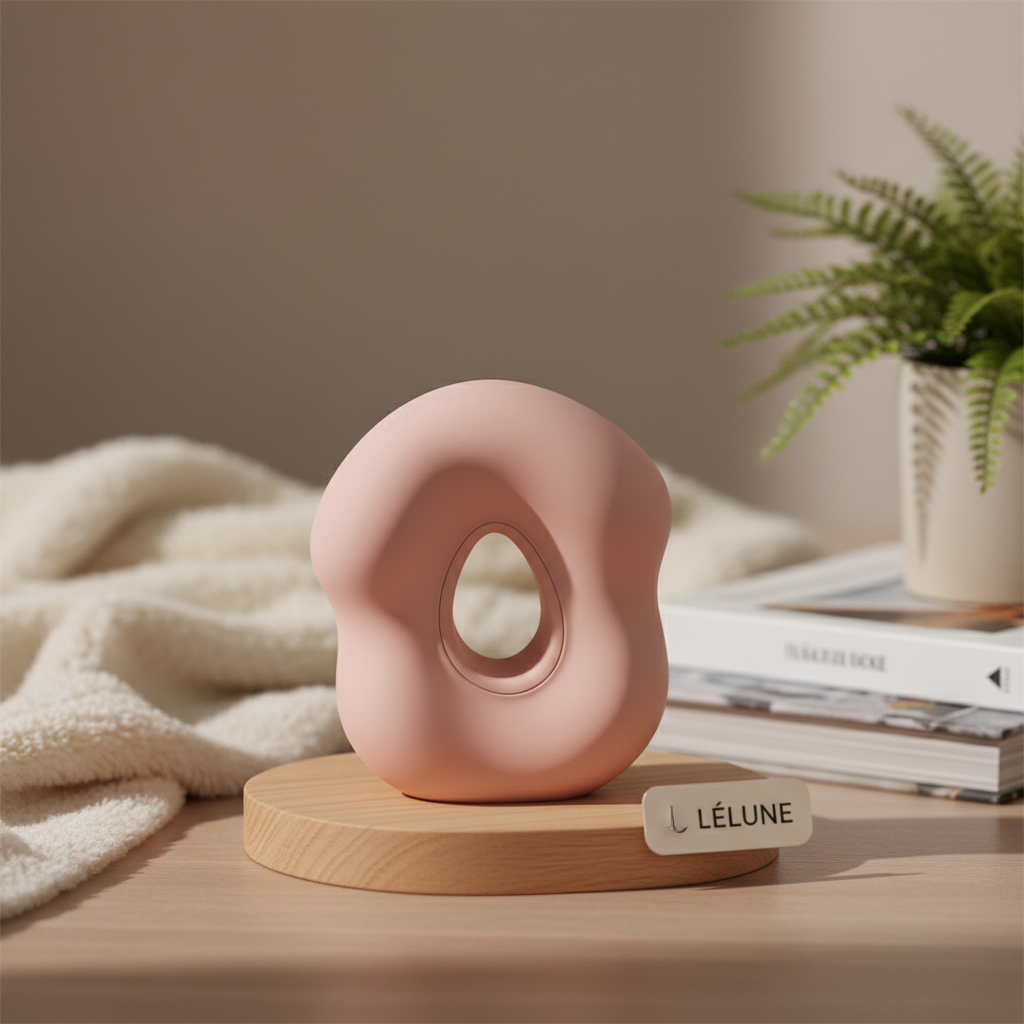
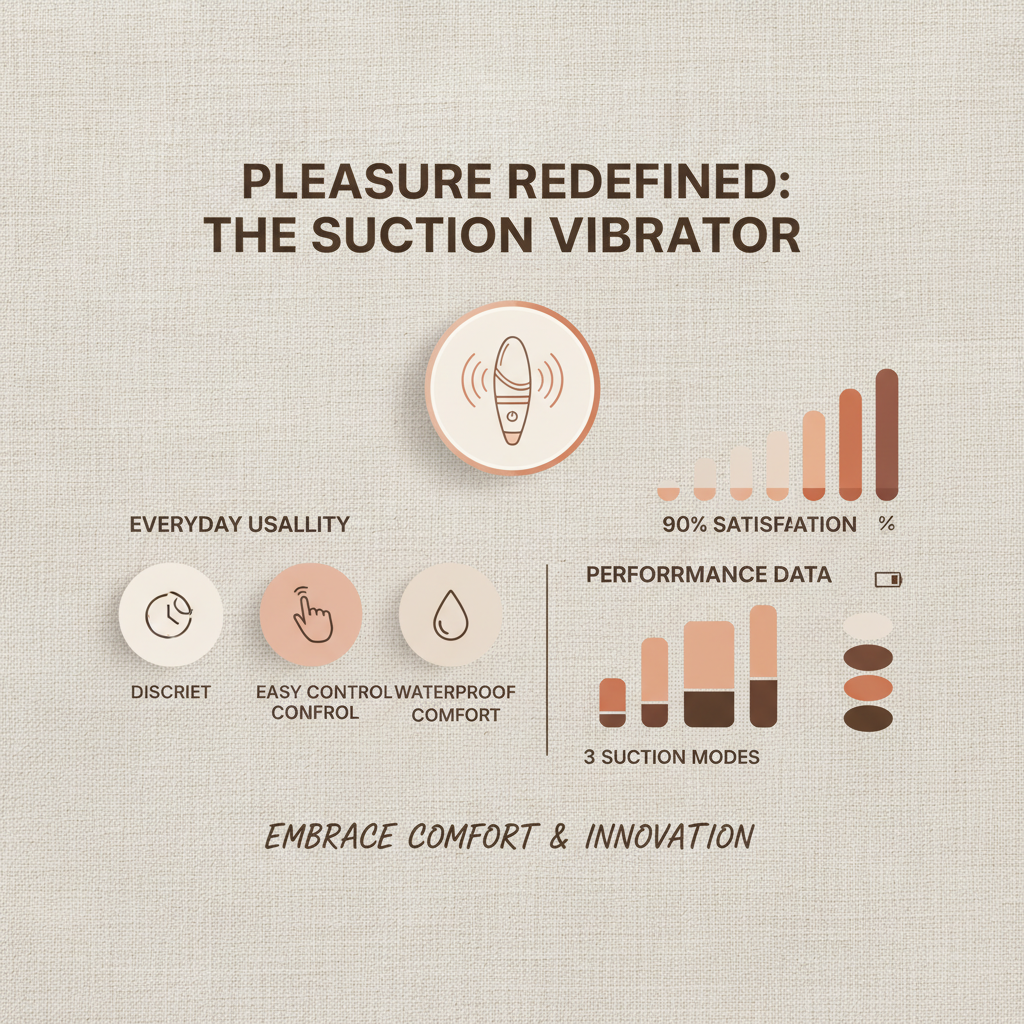
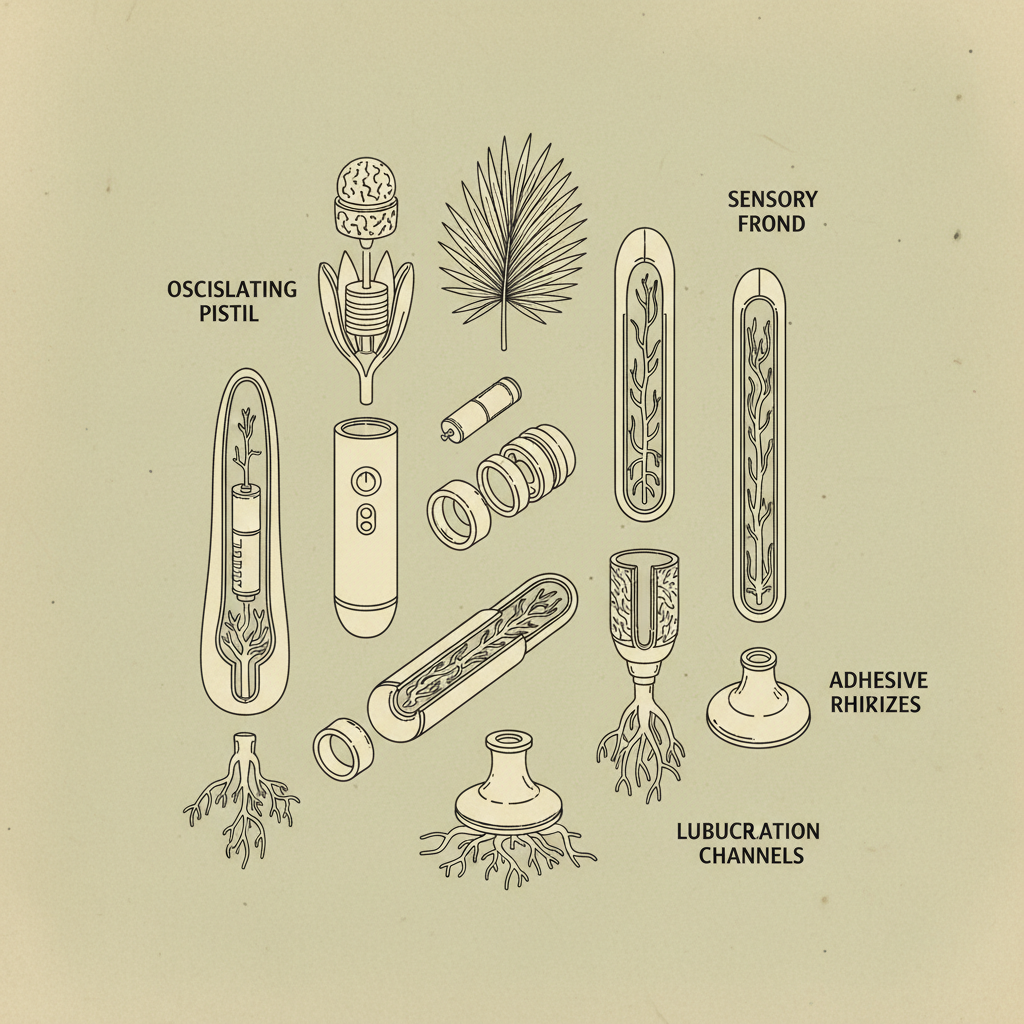
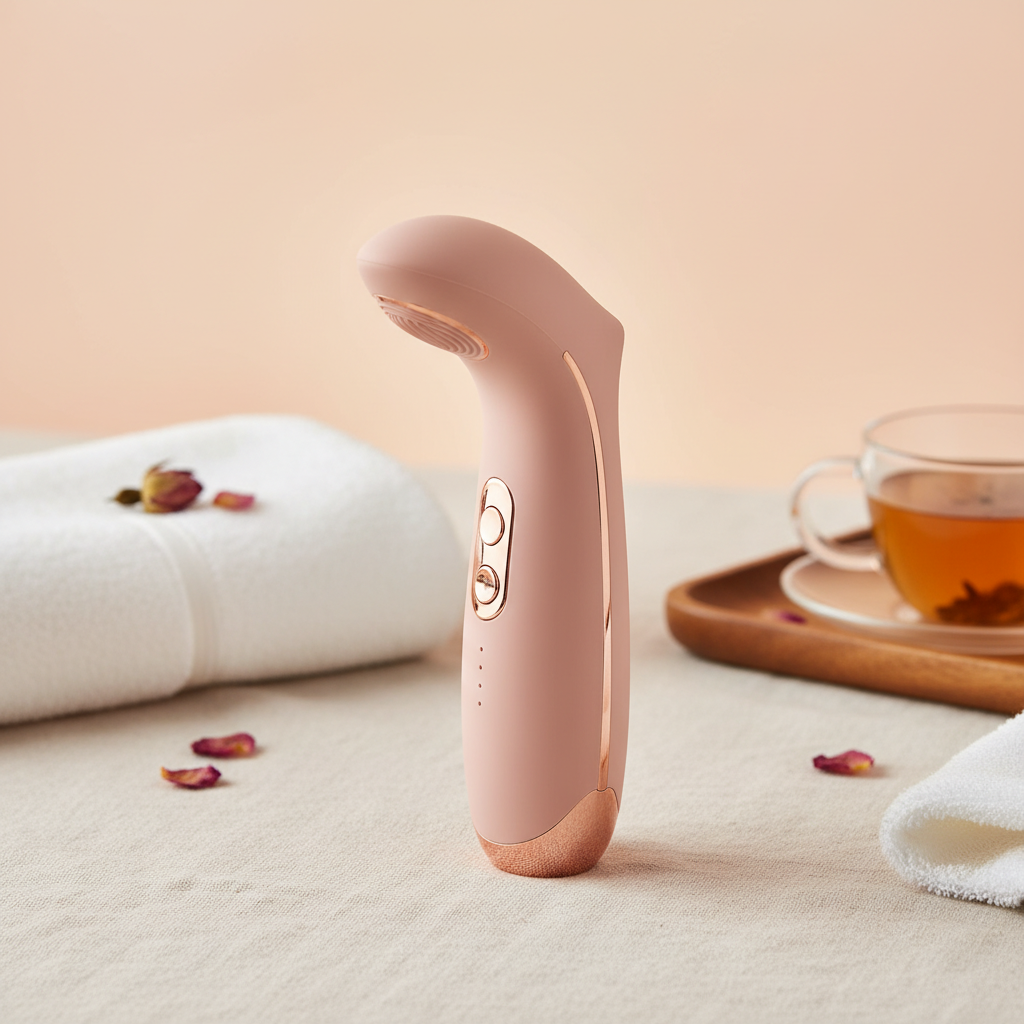
At its core, a vibrator that sucks utilizes air pressure, or suction, to create pleasurable sensations. This suction is typically generated by a motor and a chamber designed to create a vacuum effect. The intensity and pattern of the suction can be adjusted, offering a customizable experience. Different models feature varying chamber sizes, materials, and suction strengths.
The primary function of these devices is to stimulate sensitive areas, leading to arousal and orgasm. The precise way this stimulation occurs varies widely depending on the design of the vibrator that sucks. Understanding these functional differences is key to selecting a product that aligns with individual preferences.
When using a vibrator that sucks, prioritize safety by selecting body-safe materials like medical-grade silicone. Always use a water-based lubricant to prevent friction and irritation. Clean the device thoroughly before and after each use with a toy cleaner. Avoid sharing devices to minimize the risk of infection. Start with a low suction setting and gradually increase as desired, listening to your body’s signals. Discontinue use if you experience any discomfort.
Cleaning is crucial. After each use, wash the vibrator that sucks with warm water and a mild, antibacterial toy cleaner. Ensure all soap residue is removed. Dry it completely with a clean towel before storing. Store the device in a clean, dry, and dust-free environment, ideally in its original packaging or a dedicated storage bag. Avoid storing it with other materials that could cause damage.
Suction levels on a vibrator that sucks range from gentle to intense. Lower levels provide a subtle, teasing sensation, while higher levels offer more powerful stimulation. It's best to start with the lowest setting and gradually increase it until you find a comfortable and pleasurable level. Consider your sensitivity and individual preferences when choosing a suction level.
When used correctly and with proper hygiene, vibrator that sucks generally pose minimal health risks. However, excessive or prolonged use can cause temporary discomfort or sensitivity. Avoid using the device on broken or irritated skin. Always choose products made from body-safe materials to minimize the risk of allergic reactions or infections.
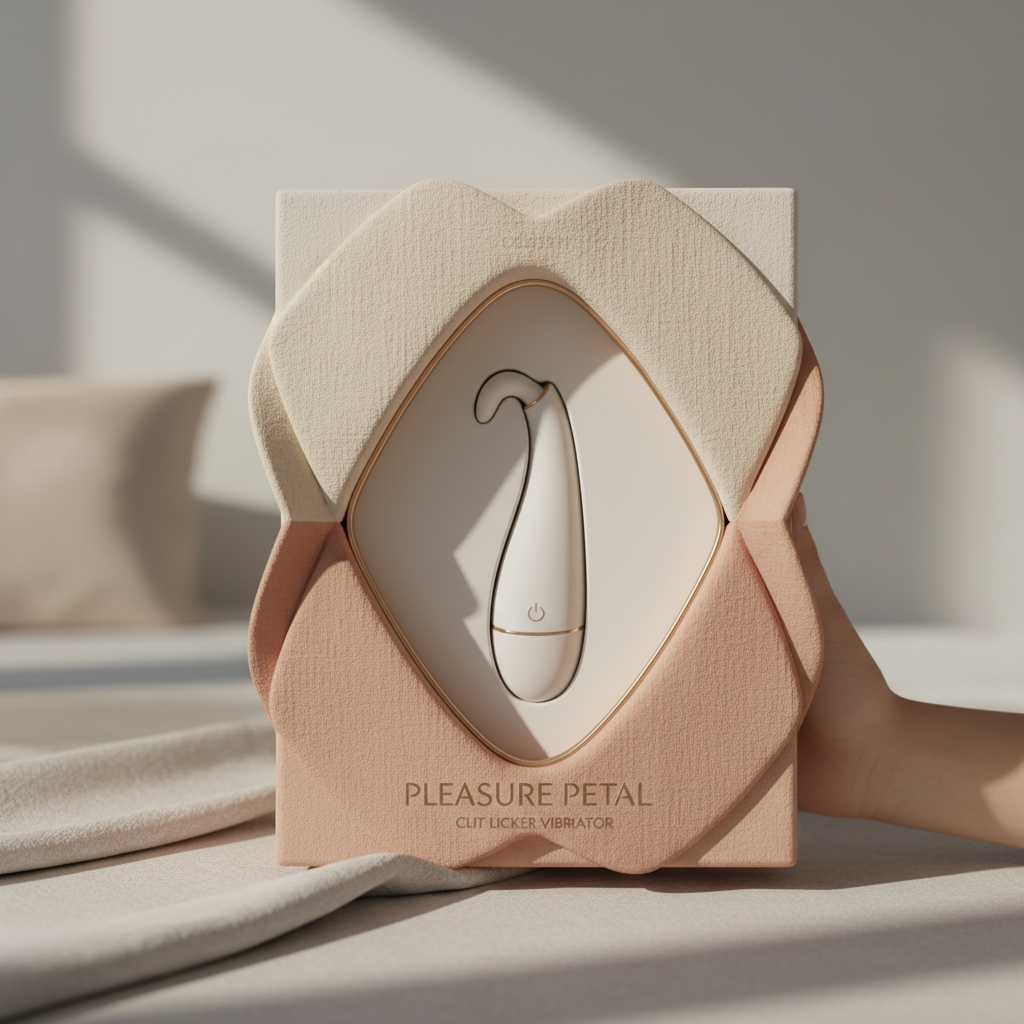
Consider your personal preferences and desired sensations. Think about whether you prefer a hands-free device, one with multiple settings, or app connectivity. Read reviews and compare different models. Pay attention to the materials used and ensure they are body-safe. Start with a smaller, less powerful device if you're new to this type of stimulation.
Yes! Vibrator that sucks can enhance intimacy and sexual exploration with a partner. Use water-based lubricant for comfortable and enjoyable shared experiences. Communication is key; discuss preferences and boundaries with your partner before and during use. Explore different positions and techniques to discover what works best for both of you.
In conclusion, the vibrator that sucks represents a fascinating intersection of technology, intimacy, and personal well-being. Understanding the core functionalities, safety considerations, and evolving innovations within this category empowers individuals to make informed choices and explore their sexuality responsibly. From material quality and suction technology to future trends like VR integration, the possibilities for enhancing pleasure and satisfaction are continually expanding.
As the market matures, expect further refinement in design, personalization, and integration with broader wellness technologies. The key to maximizing the benefits lies in responsible use, prioritizing safety, and open communication. For more information and a curated selection of high-quality vibrator that sucks, visit our website: www.youngwilltoy.com.