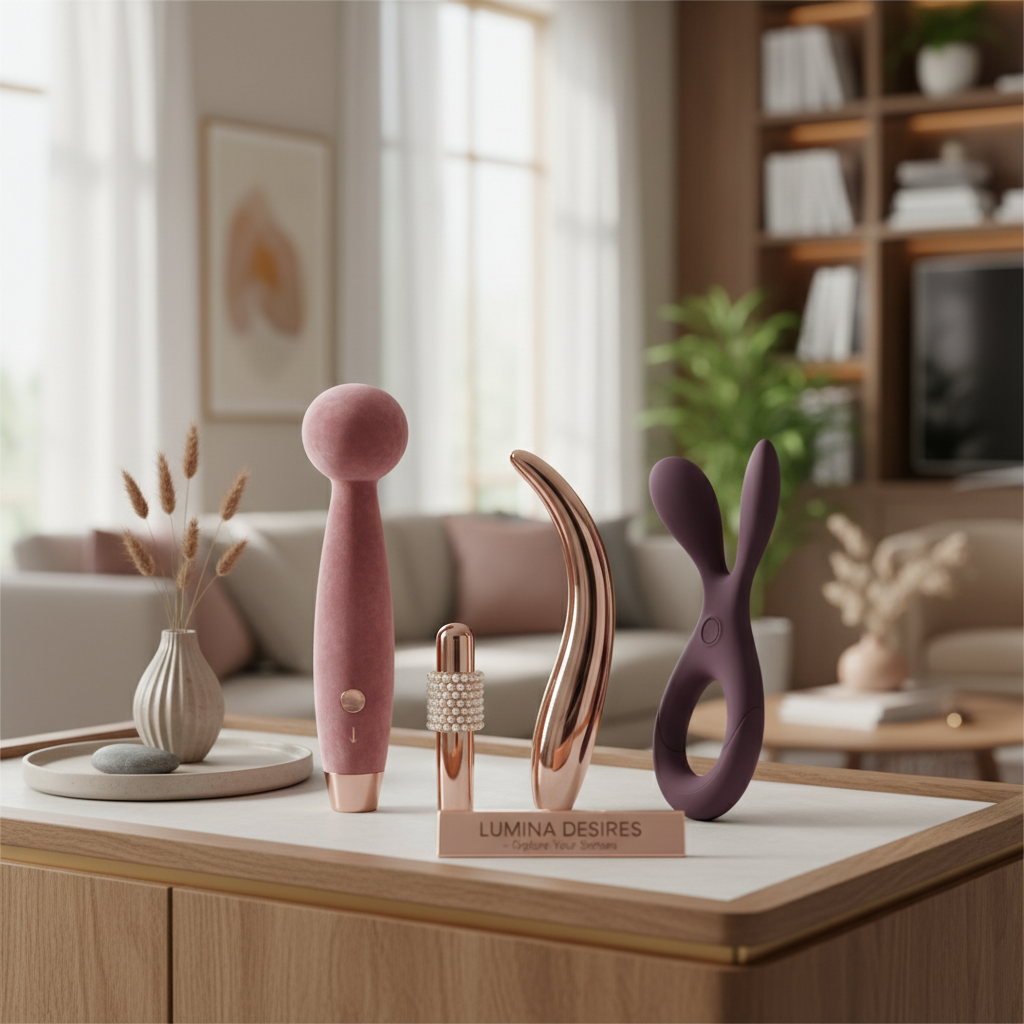
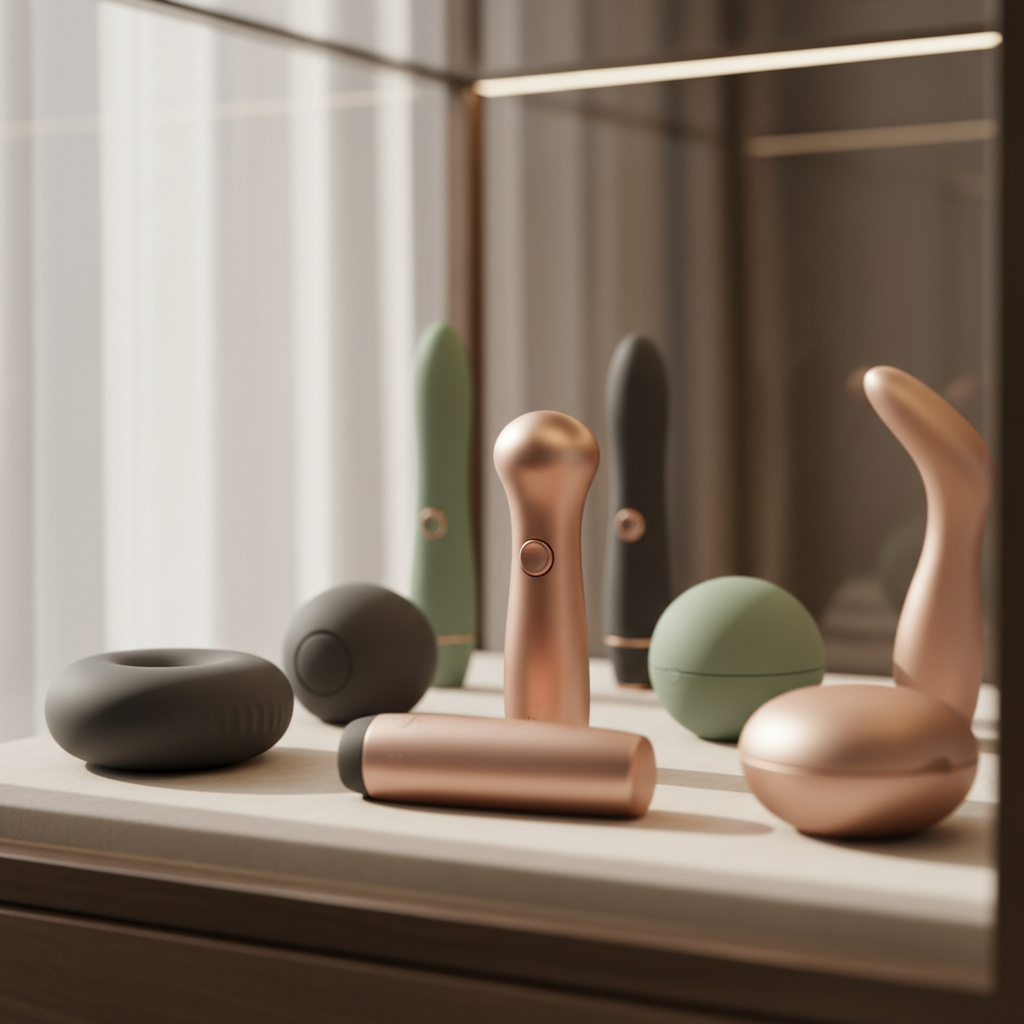
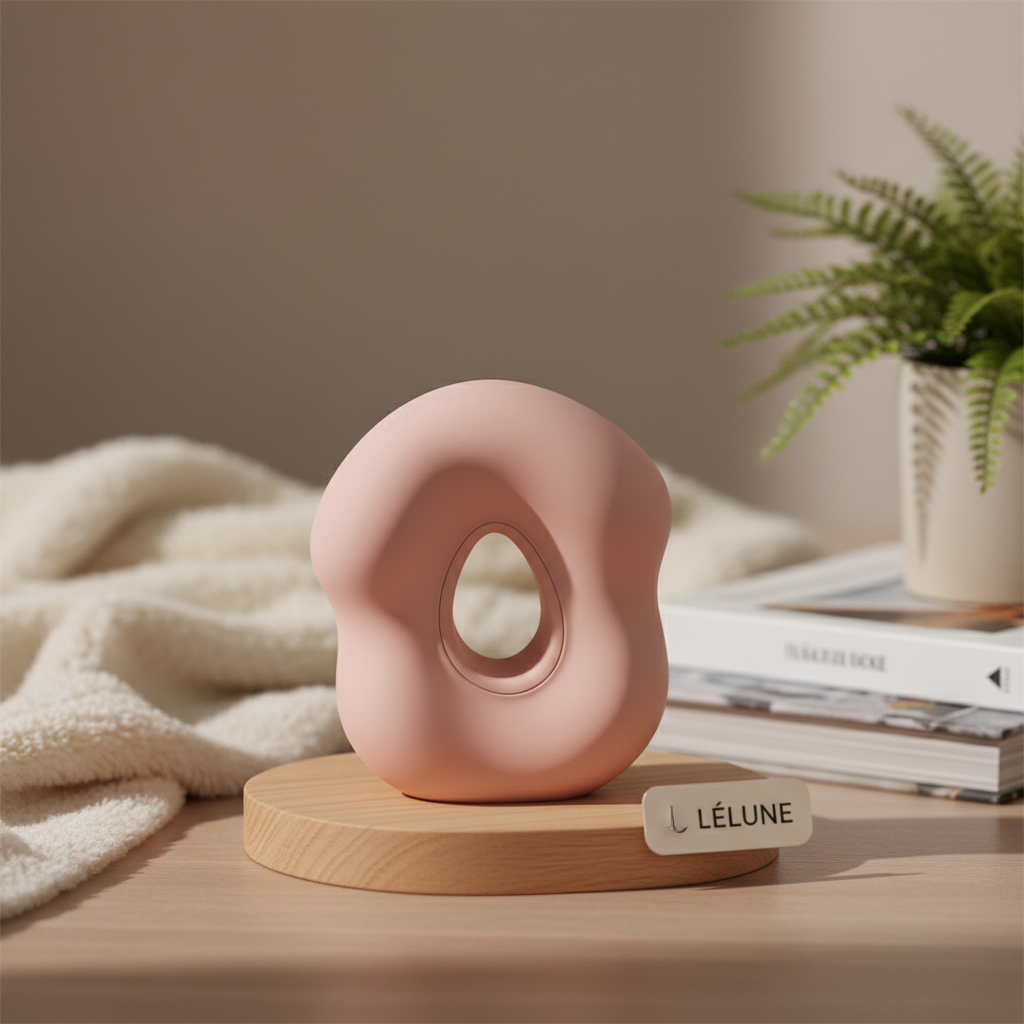
The world of pleasure and intimacy has evolved significantly, and understanding the diverse types of vibrator available is crucial for informed choices and personal well-being. From simple, classic designs to technologically advanced options, vibrators cater to a wide range of preferences and needs. This exploration extends beyond personal use, influencing discussions on sexual health, body positivity, and overall wellness globally.
The global vibrator market is experiencing substantial growth, driven by increasing openness around sexuality, rising disposable incomes, and advancements in materials and technology. Reports indicate a multi-billion dollar industry with projections for continued expansion. Understanding the different types of vibrator empowers individuals to make informed decisions and find products that align with their unique preferences. This is particularly important as the industry navigates issues of safety, quality, and ethical sourcing.
The increasing acceptance of sexual wellness and the destigmatization of sexual exploration are key factors fueling the demand for vibrators. Accessibility, both through online retailers and specialized stores, also plays a significant role. Learning about the different types of vibrator isn’t just about product features; it’s about fostering a healthier and more positive relationship with one’s own body and sexuality.
The Core Attributes of types of vibrator
The fundamental characteristic of any vibrator lies in its ability to deliver targeted stimulation through oscillating movements. These movements are generated by internal motors, and the core attributes of a vibrator – power, frequency, and amplitude – dictate the intensity and sensation experienced. Different types of vibrator prioritize different attributes to cater to diverse preferences.
Beyond the basic functionality, the material composition significantly impacts the overall experience and safety of the vibrator. Materials must be body-safe, non-porous, and easy to clean to prevent the growth of bacteria. The shape, size, and design of a vibrator also play crucial roles in its usability and effectiveness.
Material Composition and Its Influence
The material used in a vibrator’s construction directly affects its safety, texture, and longevity. Silicone is the most commonly recommended material due to its non-porous nature, hypoallergenic properties, and ease of cleaning. However, other materials like ABS plastic, glass, and metal are also utilized, each with its own set of advantages and disadvantages. Choosing the right material for different types of vibrator is vital for user health.
Lower-quality vibrators may utilize materials containing phthalates or other potentially harmful chemicals. It’s crucial to verify that a vibrator is made from body-safe materials and meets relevant safety standards. The texture of the material also influences the sensory experience, with some preferring the smoothness of silicone and others the firmness of glass or metal.
The durability of a vibrator is also directly linked to its material. Silicone is generally highly durable, while plastic may be more prone to cracking or degrading over time. Considering the material composition is therefore essential for long-term value and preventing potential health risks.
Power Sources and Operational Lifespan
Types of vibrator utilize various power sources, primarily batteries (AAA, AA, or rechargeable) or direct connection to an electrical outlet. Rechargeable vibrators are increasingly popular due to their convenience and eco-friendliness, eliminating the need for frequent battery replacements. The power source impacts the intensity and consistency of the vibrations.
The operational lifespan of a vibrator is influenced by the quality of its motor, the materials used in its construction, and how well it’s maintained. High-quality vibrators with robust motors can last for years with proper care, while cheaper models may experience motor burnout or material degradation more quickly. Regularly cleaning and storing the vibrator properly can extend its lifespan.
The battery life of rechargeable vibrators varies depending on the model and usage frequency. Some vibrators offer multiple power settings, which can affect battery consumption. Considering the power source and estimated lifespan is crucial for making an informed purchasing decision.
Feature Sets and Customization Options
Modern types of vibrator boast a wide array of features, from variable vibration patterns and intensities to remote control operation and smartphone app connectivity. These features allow for a high degree of customization and control over the sensory experience.
Some vibrators offer pre-programmed patterns, while others allow users to create their own custom patterns. App-controlled vibrators can offer even greater customization, including synchronized vibrations, long-distance control, and integration with other smart devices.
Feature Preferences Among types of vibrator Users
Global Distribution Channels of types of vibrator
The distribution of types of vibrator has shifted dramatically in recent years, driven by the rise of e-commerce. Online retailers now dominate the market, offering a wider selection, greater privacy, and competitive pricing.
However, brick-and-mortar stores specializing in sexual wellness products continue to play an important role, particularly for customers who prefer a more personal shopping experience and expert advice. Additionally, some pharmacies and department stores are beginning to carry select vibrator models.
Ergonomics and User Experience
The design and ergonomics of a vibrator significantly impact its usability and comfort. A well-designed vibrator should be easy to hold, maneuver, and control, even with wet hands. The shape and size should be appropriate for the intended use and body parts.
A positive user experience also depends on the quality of the buttons or touch controls, the clarity of the instructions, and the overall aesthetics of the device. Considering ergonomics and user experience is essential for maximizing pleasure and minimizing frustration.
Quality Control Standards for types of vibrator
Ensuring the safety and quality of types of vibrator is paramount. Reputable manufacturers adhere to strict quality control standards, including material testing, electrical safety checks, and hygiene certifications.
These standards help to prevent the use of harmful materials, ensure the device operates safely, and minimize the risk of infection. Consumers should look for vibrators that are certified by recognized organizations and made from body-safe materials.
Key Quality Control Metrics for types of vibrator
| Material Safety |
Electrical Safety |
Hygiene Compliance |
Durability Testing |
| Phthalate-free certification (Rating: 1-10) |
CE/FCC compliance (Rating: 1-10) |
Non-porous material verification (Rating: 1-10) |
Drop-test resistance (Rating: 1-10) |
| Medical-grade silicone standard (Rating: 1-10) |
Insulation integrity test (Rating: 1-10) |
Ease of cleaning and disinfection (Rating: 1-10) |
Vibration motor lifespan (Rating: 1-10) |
| Allergen testing (Rating: 1-10) |
Short-circuit protection (Rating: 1-10) |
Antimicrobial properties (Rating: 1-10) |
Button responsiveness (Rating: 1-10) |
| Compliance with REACH regulations (Rating: 1-10) |
Leakage current test (Rating: 1-10) |
Surface smoothness (Rating: 1-10) |
Power cord durability (Rating: 1-10) |
| BPA-free certification (Rating: 1-10) |
Overcharge protection (Rating: 1-10) |
Resistance to chemicals (Rating: 1-10) |
Housing material strength (Rating: 1-10) |
| RoHS compliance (Rating: 1-10) |
Grounding integrity (Rating: 1-10) |
Mold resistance (Rating: 1-10) |
Long-term performance stability (Rating: 1-10) |
FAQS
When choosing a vibrator, prioritize body-safe materials like medical-grade silicone, which is non-porous, hypoallergenic, and easy to clean. Avoid materials like jelly rubber or PVC, as they may contain phthalates and harbor bacteria. Always check product descriptions and certifications to ensure the material is safe for internal use. Considering the composition is a crucial step in ensuring a positive and healthy experience with types of vibrator.
You should clean your vibrator before and after each use to prevent the growth of bacteria. Use warm water and a mild, fragrance-free soap or a dedicated toy cleaner. Ensure the vibrator is completely dry before storing it. Regular cleaning is essential for maintaining hygiene and preventing infections when using different types of vibrator.
Store your vibrator in a clean, dry, and dust-free environment. Avoid storing it with other toys made of different materials, as this could cause damage. A dedicated storage bag or box is ideal. Protecting your types of vibrator from extreme temperatures and direct sunlight will also extend its lifespan.
Rechargeable vibrators offer convenience and are more environmentally friendly, eliminating the need for constant battery replacements. Battery-operated vibrators are often more affordable initially, but require ongoing battery purchases. The choice depends on your usage frequency and preferences. Consider the long-term cost and environmental impact when deciding between these types of vibrator.
Waterproof vibrators offer greater versatility and ease of cleaning. They can be used in the shower or bath, and are easier to sanitize thoroughly. However, not all waterproof vibrators are submersible; check the product specifications for the level of water resistance. Choosing a waterproof option among types of vibrator enhances convenience and hygiene.
Start with a low intensity and gradually increase it until you reach a comfortable level. Everyone's sensitivity is different, so there's no one-size-fits-all answer. Pay attention to your body and stop if you experience any discomfort. Exploring different settings on your chosen types of vibrator will help you discover what feels best for you.
Conclusion
Understanding the various types of vibrator – from their material composition and power sources to their features and quality control standards – is crucial for making informed choices that prioritize safety, pleasure, and longevity. By considering these factors, individuals can select a vibrator that meets their unique needs and preferences, leading to a more fulfilling and empowering experience.
The future of vibrator technology promises even greater innovation, with advancements in materials, connectivity, and customization. Continued research and development, coupled with a commitment to safety and ethical manufacturing, will undoubtedly enhance the quality and accessibility of these products, further destigmatizing sexual wellness and promoting a more positive relationship with our bodies. Visit our website: www.youngwilltoy.com