What’s the Difference Between a Vibrator and a Dildo? A Clear Guide
Understanding What’s the Difference Between a Vibrator and a Dildo
At first glance, the question of what’s the difference between a vibrator and a dildo might seem straightforward — just two adult toys, right? Yet, it’s surprisingly rich in detail, design, use, and even cultural significance. Knowing the difference not only improves personal experience and safety but also helps clarify marketing, product engineering, and even sex education worldwide.
Globally, as people become more open in discussions about sexual health, the market for these devices has exploded. According to a recent World Health Organization report, awareness and use of sexual wellness products have increased by nearly 25% in the last decade. Understanding what sets a vibrator apart from a dildo can remove confusion, promote healthy choices, and even influence product innovation.
Mini takeaway: The distinction helps consumers choose wisely, companies innovate better, and educators communicate clearly.
The Global Context & Why This Comparison Matters
It may seem like a niche question, but whats the difference between a vibrator and a dildo plays a meaningful role in sexual wellness industries worldwide. Market research from firms like Statista shows that combined sales of vibrators and dildos surpassed $1.5 billion globally in 2023 — a figure expected to grow.
This growth cuts across continents, with Asia-Pacific, Europe, and North America leading adoption, but emerging markets quickly catching up. For example, Japan, the U.S., and Germany have mature manufacturing bases that continuously refine product safety and function. Meanwhile, in parts of Latin America and Africa, awareness campaigns emphasize the health and mental wellness benefits these products can bring, especially as part of sexual education programs.
The challenge is: many still confuse these two types of toys, which can lead to purchase regrets or misuse. That’s why the question of whats the difference between a vibrator and a dildo isn’t just semantics.
Mini takeaway: Knowing the difference enhances user satisfaction and supports better industry standards globally.
Defining the Basics: What Is a Vibrator? What Is a Dildo?
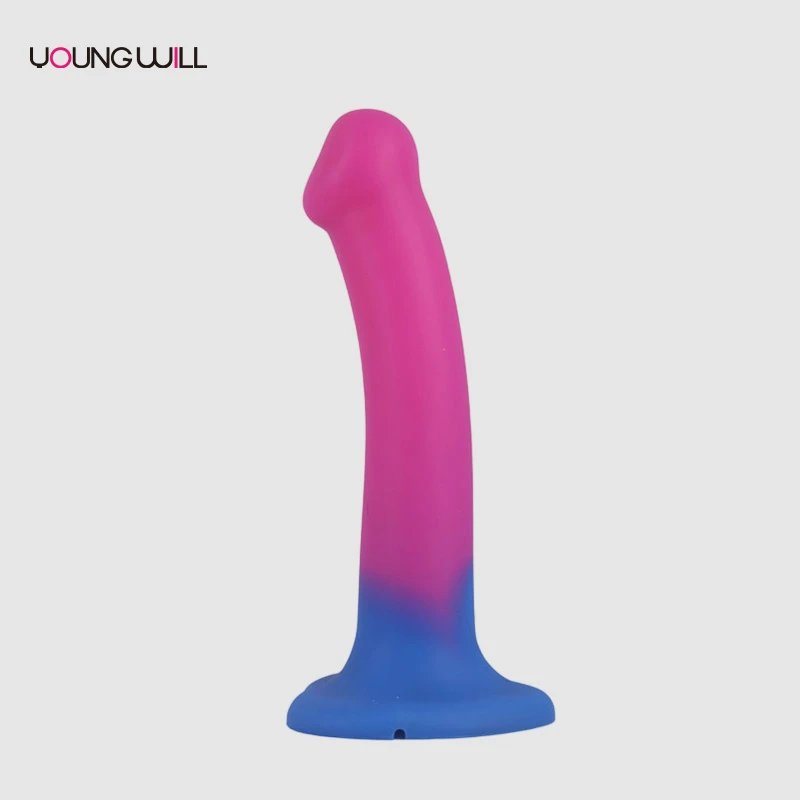
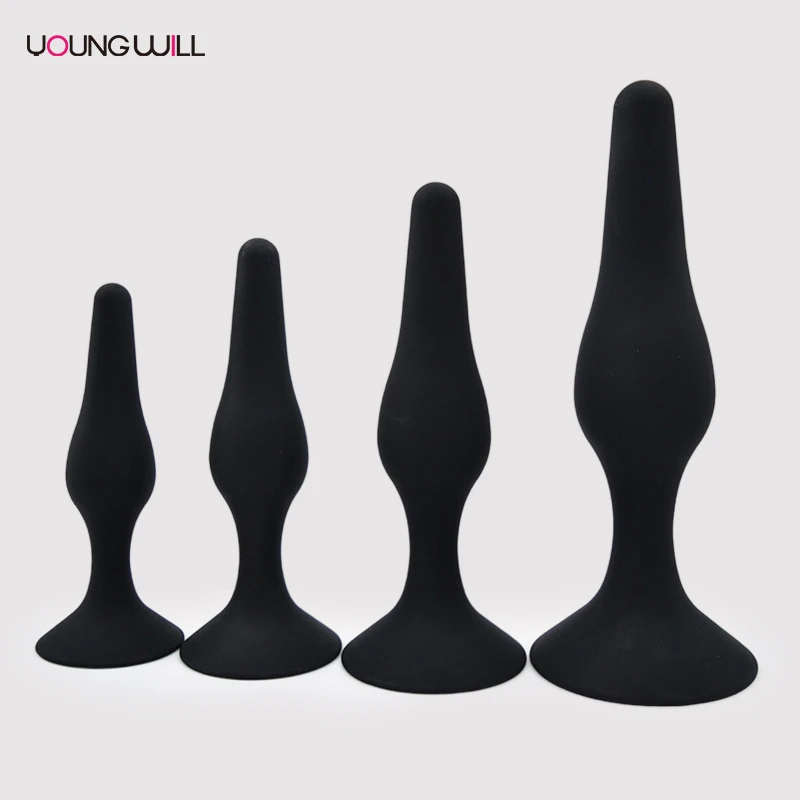
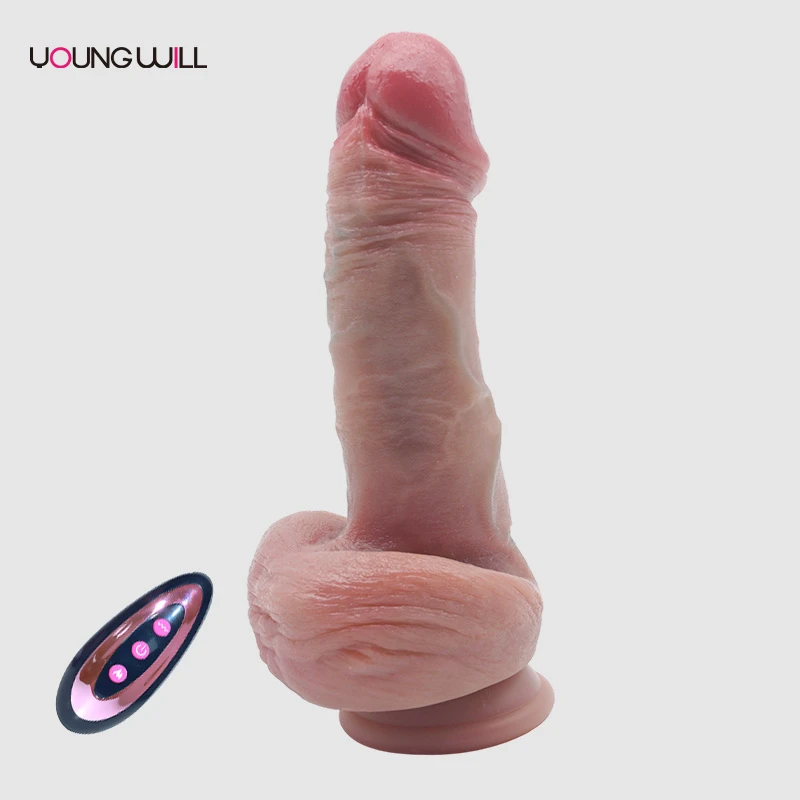
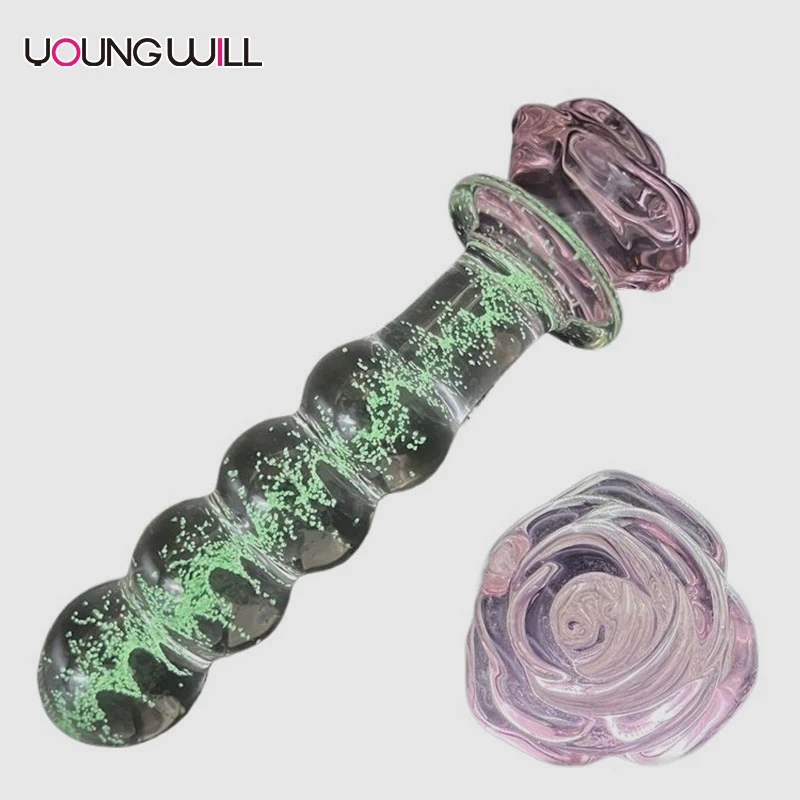
Let’s get practical. A dildo is typically a phallic-shaped sex toy designed for penetration — usually without any vibration feature. It’s often made from silicone, glass, or other firm, body-safe materials. Dildos can be simple or complex, curved or straight, realistic or abstract.
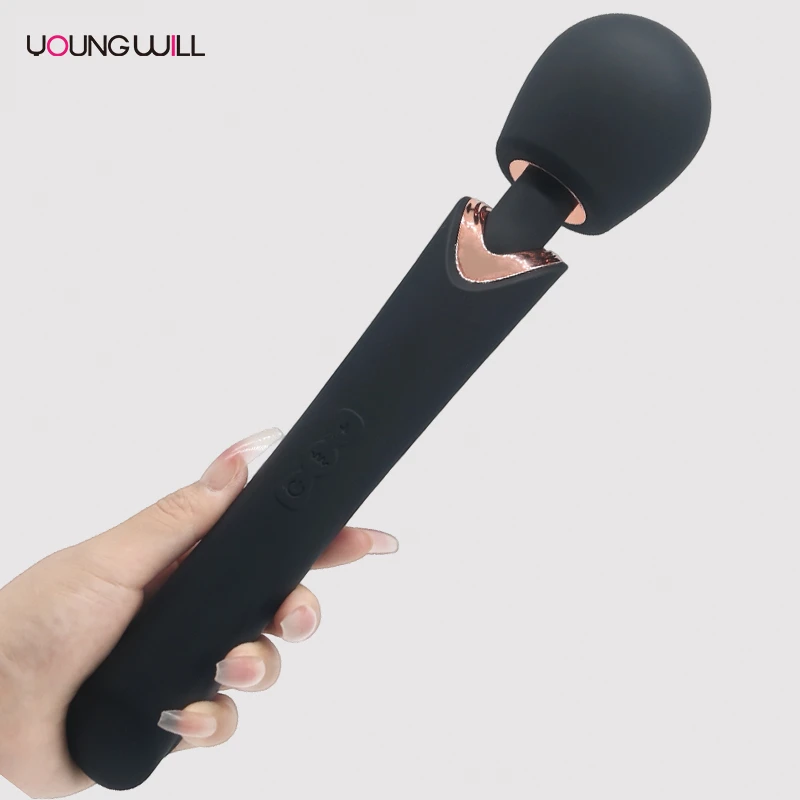
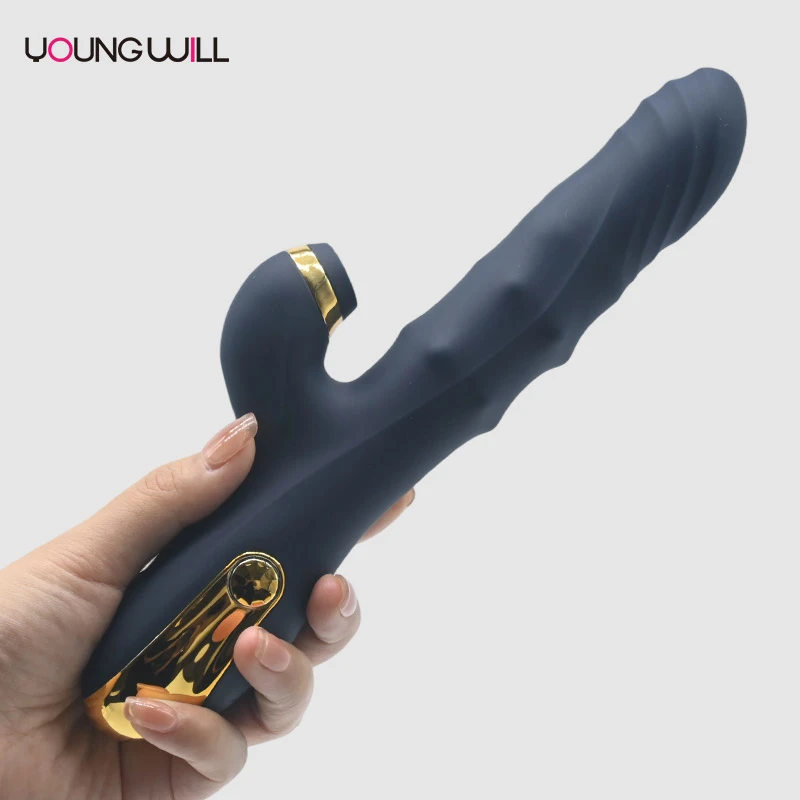
A vibrator, on the other hand, refers to any sex toy that includes a motor to produce vibrations, which can stimulate various erogenous zones. Vibrators can be shaped like dildos but differ by having electronics inside, or be designed for clitoral stimulation only. Essentially, all vibrators vibrate, but not all resemble a dildo.
In real terms, this means a dildo’s primary function is penetration without extra movement, whereas a vibrator adds a new dimension of sensation.
whats the difference between a vibrator and a dildo can even extend beyond design to influence cleaning, storage, and even power sources (battery vs. rechargeable).
Key Components That Define Them
1. Construction & Materials
Dildos rely on firm, durable materials to maintain shape under pressure, like medical-grade silicone or borosilicate glass. Vibrators, conversely, integrate motors, circuitry, and batteries, needing softer outer shells for comfort and heavier weight for balance.
2. Functionality
Dildos are passive — no movement from electronics. Vibrators come with multiple vibration patterns and intensities, offering varied user experiences designed from simple buzzes to complex pulsations.
3. Power Source
Dildos need no power; vibrators often use batteries or USB charging, which inevitably affects portability and convenience.
4. Maintenance
Cleaning vibrators requires caution around the electronics, whereas dildos often can be boiled or sterilized — a significant difference for hygiene-conscious users.
5. Price
Vibrators tend to be pricier due to complex components and manufacturing processes.
6. User Preference and Application
Some users prefer the simplicity of dildos; others want the multi-sensory stimulation of vibrators. The choice often depends on individual needs and occasions.
Mini takeaway: The key differences rest in materials, functionality, and user experience — factors that shape safety and satisfaction.
Global Applications & Real-World Use Cases
Interestingly, the line between vibrators and dildos crosses cultural and social boundaries. In progressive markets like Scandinavia, sex-positive education encourages exploring both safely. Health clinics sometimes provide devices for therapeutic uses, such as pelvic floor dysfunction recovery.
In manufacturing hubs such as Shenzhen, China, companies optimize materials and electronics to suit various consumer preferences worldwide — from budget-friendly to luxury designs.
In lower-income regions, NGO-led programs (such as those documented by UN sexual health campaigns) emphasize educating on safe use, demystifying taboos, and improving sexual wellbeing through availability and awareness of such products.
Advantages & Why It Matters in the Long Run
Choosing between a vibrator and a dildo isn't just personal—it's about convenience, sustainability, and health.
- Safety: Knowing the right product diminishes injury or misuse.
- Durability: Dildos often last longer, vibrators may need replacing sooner due to batteries and motors.
- Emotional Wellness: Many report better mental health and intimacy through tailored product use.
- Product Innovation: Clear distinctions lead to better industry standards and personalized options.
Frankly, understanding these nuances encourages trust between consumers and vendors, something many adult toy companies strive for.
Future Trends in This Industry
The lines continue to blur with emerging tech; smart vibrators now sync with apps for remote control or adaptive patterns responding to biometric feedback. Advances in eco-friendly silicone and recyclable components aim to reduce environmental impact.
Startups are even embedding AI algorithms to customize stimulation based on user preferences, pushing innovation far beyond simple vibration. On the manufacturing end, 3D printing allows rapid prototyping and custom designs for both vibrators and dildos, meeting diverse anatomies and desires.
Challenges & How the Industry Is Tackling Them
Despite advances, challenges remain:
- Privacy & Data Security: With app-connected vibrators, how safe is your data?
- Accessibility: Many regions lack affordable, safe products due to shipping restrictions or high taxes.
- Stigma: Cultural taboos can limit open discussion.
Manufacturers are improving encryption, NGOs work on policy advocacy, and educators continue breaking taboos—slowly but surely.
FAQ: Common Questions About whats the difference between a vibrator and a dildo
- Q1: Can a dildo have vibration features?
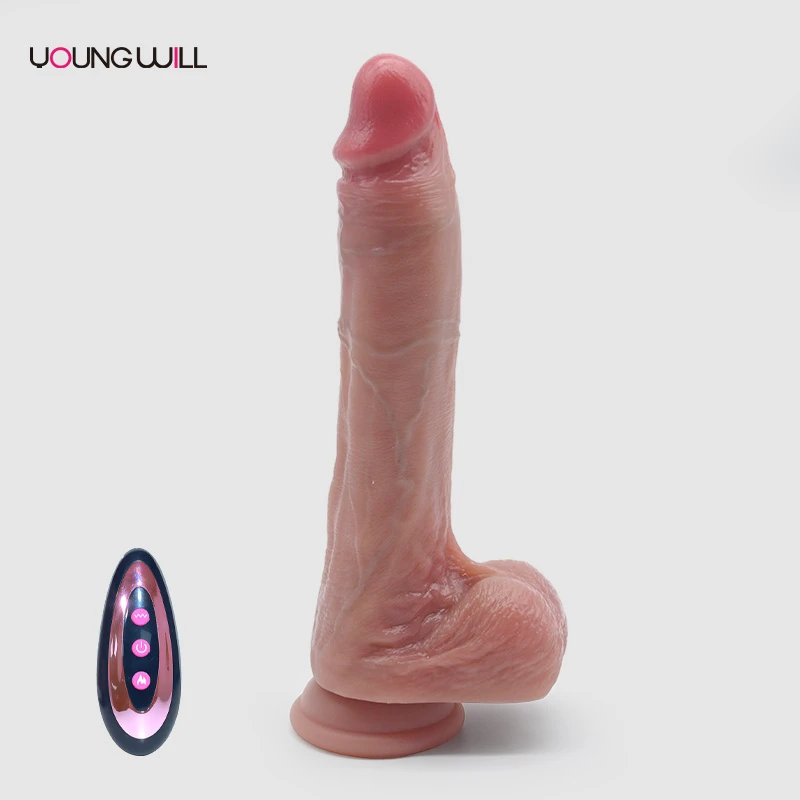
- A: Yes, when a dildo includes a motor or vibrating mechanism, it effectively becomes a vibrator-dildo hybrid. But classic dildos do not vibrate and are purely for penetration.
- Q2: Are vibrators safe for beginners?
- A: Generally, yes. Vibrators come in various sizes and intensities, so beginners can start with smaller, simple models to explore at their own pace.
- Q3: How do I clean a vibrator compared to a dildo?
- A: Dildos made of silicone or glass can often be boiled or sterilized, while vibrators with electronics require careful cleaning with mild soap and water, avoiding submersion.
- Q4: Is price a good indicator of quality?
- A: Price often reflects materials and features—higher-priced vibrators tend to last longer and offer advanced functions, but many budget options perform well too.
Product Specifications: Vibrator vs. Dildo
| Feature | Vibrator | Dildo |
|---|---|---|
| Primary Function | Provides vibration for stimulation | Penetration without vibration |
| Material | Silicone, ABS plastic, sometimes metal | Silicone, glass, metal |
| Power Source | Batteries, rechargeable, USB | None (manual) |
| Size Range | Varies; often smaller handheld | Wide range from small to life-size |
| Cleaning | Careful cleaning; no full submersion | Can be sterilized or boiled |
Vendor Comparison: Leading Brands Overview
| Brand | Product Focus | Price Range | Global Reach | Unique Features |
|---|---|---|---|---|
| Lelo | Luxury Vibrators and Dildos | $$$ | Worldwide | App control, rechargeable |
| Doc Johnson | Affordable Dildos and Vibrators | $ | Mostly US/Canada | Varied sizes, classic designs |
| We-Vibe | Couples Vibrators & Apps | $$ | Global | Bluetooth, app features |
Final Thoughts
When it comes down to whats the difference between a vibrator and a dildo, the answer matters more than just labels. It influences product design, user satisfaction, and even global sexual wellness education — areas evolving quickly thanks to cultural shifts, technology, and manufacturing innovation. At the end of the day, knowing these distinctions empowers users, supports ethical industry growth, and opens the door to a more enjoyable, safe, and informed intimate life.
Curious to explore more or need help deciding which product suits your needs? Visit our website https://www.youngwilltoy.com and discover diverse options with detailed guides and customer reviews.
References:
1. World Health Organization, Sexual Health fact sheets – https://www.who.int/news-room/fact-sheets/detail/sexual-health
2. UN Sexual Health Day resources – https://www.un.org/en/observances/sexual-health-day
3. Wikipedia, Sexual Wellness Devices – https://en.wikipedia.org/wiki/Sexual_health