What’s the Difference Between a Dildo and a Vibrator? A Simple Guide to Sexual Wellness Devices
Understanding the Difference Between a Dildo and a Vibrator: Why It Matters
You might have searched the phrase “whats the difference between a dildo and a vibrator” and wondered — why, in the grand scheme of things, does this matter beyond curiosity? It's more than just bedroom banter. Globally, sexual wellness is emerging as a topic of human rights, health, and well-being, with the World Health Organization recognizing intimate pleasure as part of overall wellness. Knowing the subtle but important differences helps individuals make informed choices about their bodies, preferences, and health.
Beyond personal use, distinctions between these devices reflect industry trends in design, materials, and even education — impacting everything from public health campaigns to international standards on product safety.
Mini takeaway: Clarifying what sets dildos apart from vibrators improves not only personal satisfaction, but also opens doors to better sexual health conversations worldwide.
Global Context: Why the Question of What’s the Difference Between a Dildo and a Vibrator Is Relevant Worldwide
So, how does this seemingly niche topic translate into something relevant on a global scale? According to recent data, the global sex toy market is projected to surpass $40 billion by 2027, according to a report from Grand View Research. That's huge! And it reflects growing openness across cultures about sexual wellness. But with sales comes the demand for transparency — what exactly are consumers buying?
The distinction between dildos and vibrators often gets blurred in casual conversation, causing confusion. For example, public health organizations often recommend certain products for sexual therapy or rehabilitation, but those recommendations hinge on understanding device function and safety. whats the difference between a dildo and a vibrator addresses that knowledge gap head-on.
Mini takeaway: In real terms, grasping these differences supports global sexual health initiatives and fosters honest consumer education.
Defining the Two: What Exactly Sets Dildos Apart from Vibrators?
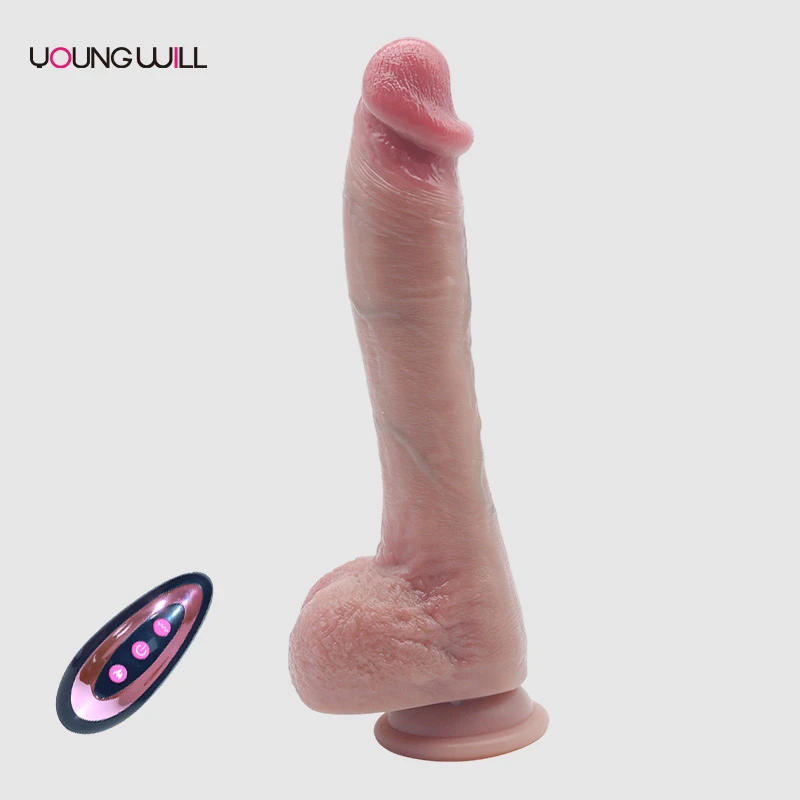
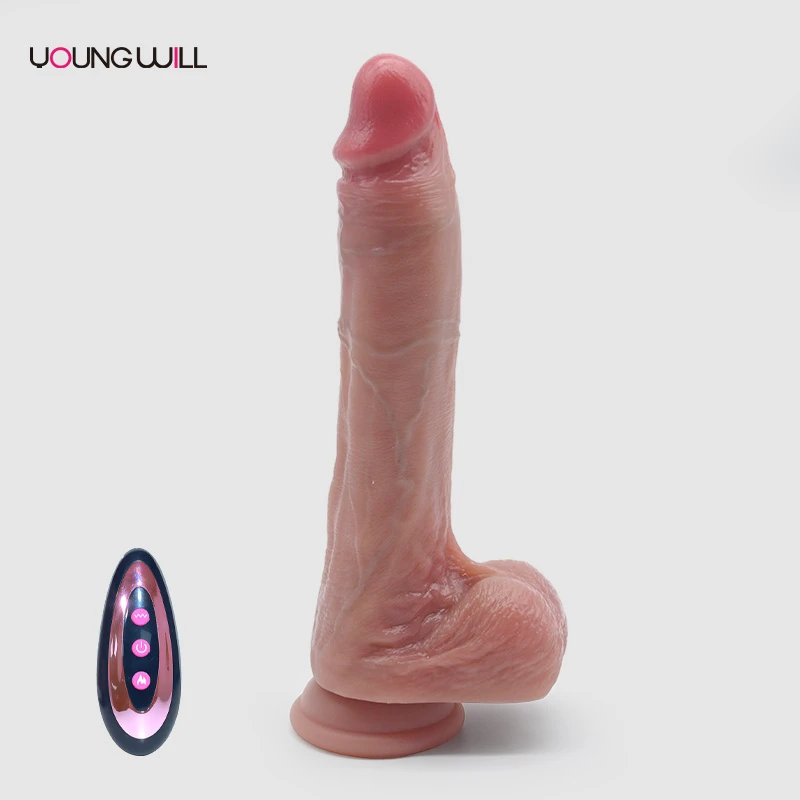
Let’s get down to brass tacks. A dildo is typically a non-electronic, often phallic-shaped device primarily designed for penetration and sexual stimulation through physical contact. Most dildos don’t vibrate, although some have special features or attachments. They rely purely on manual movement to create sensations.
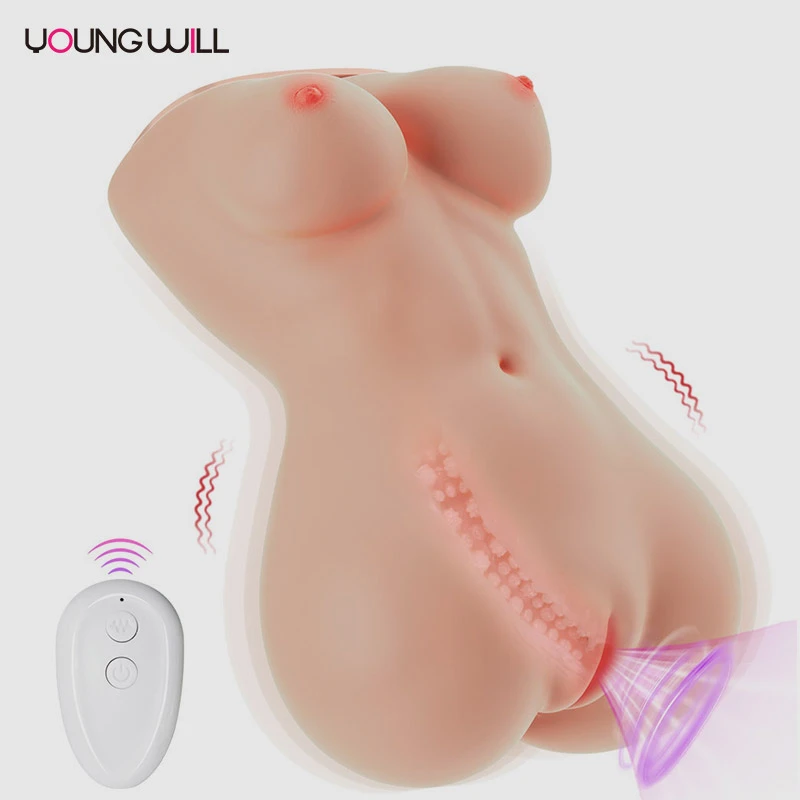
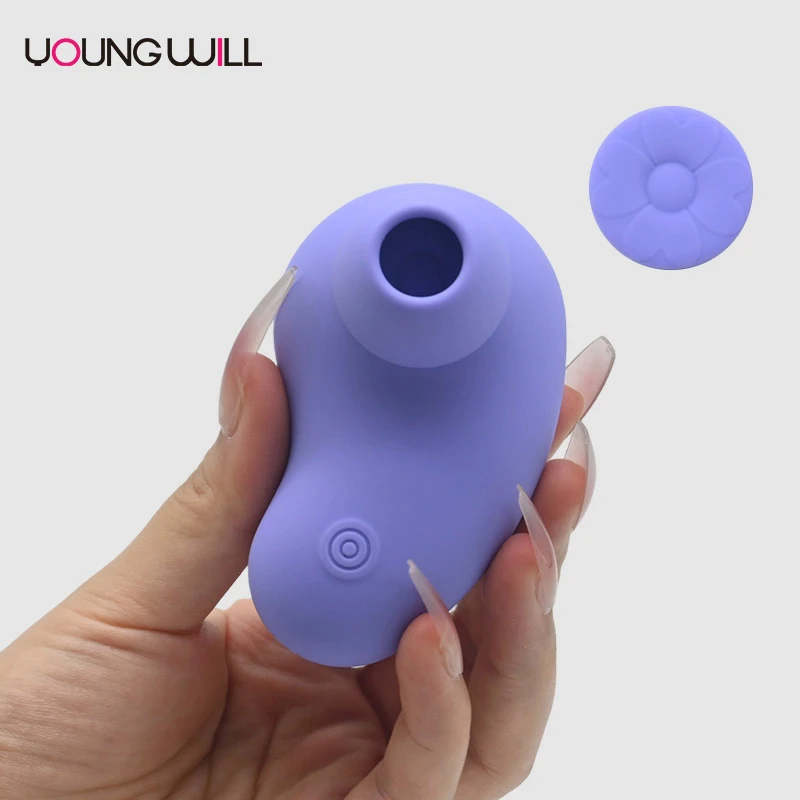
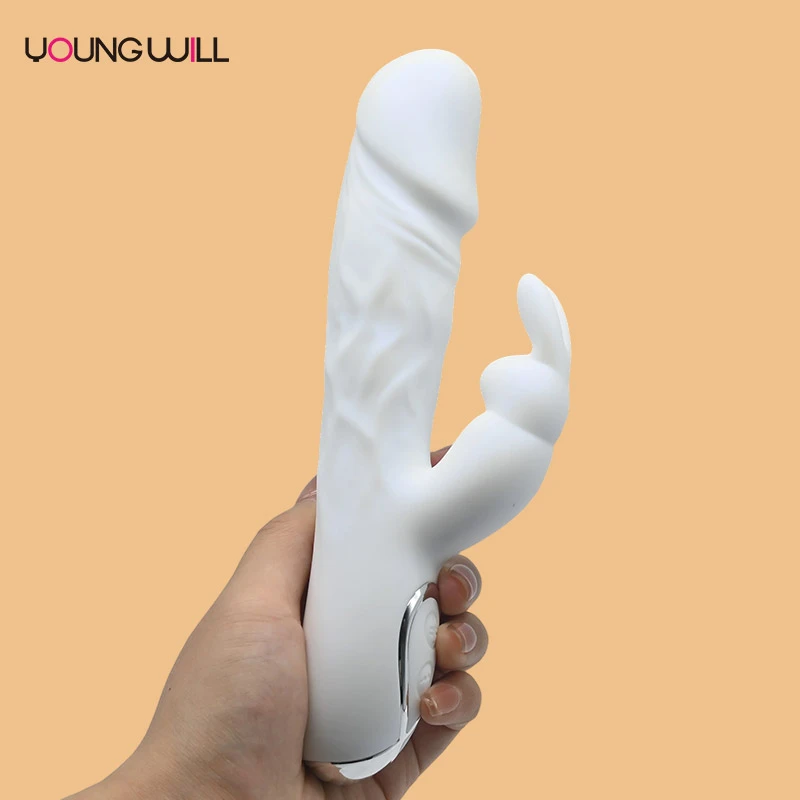
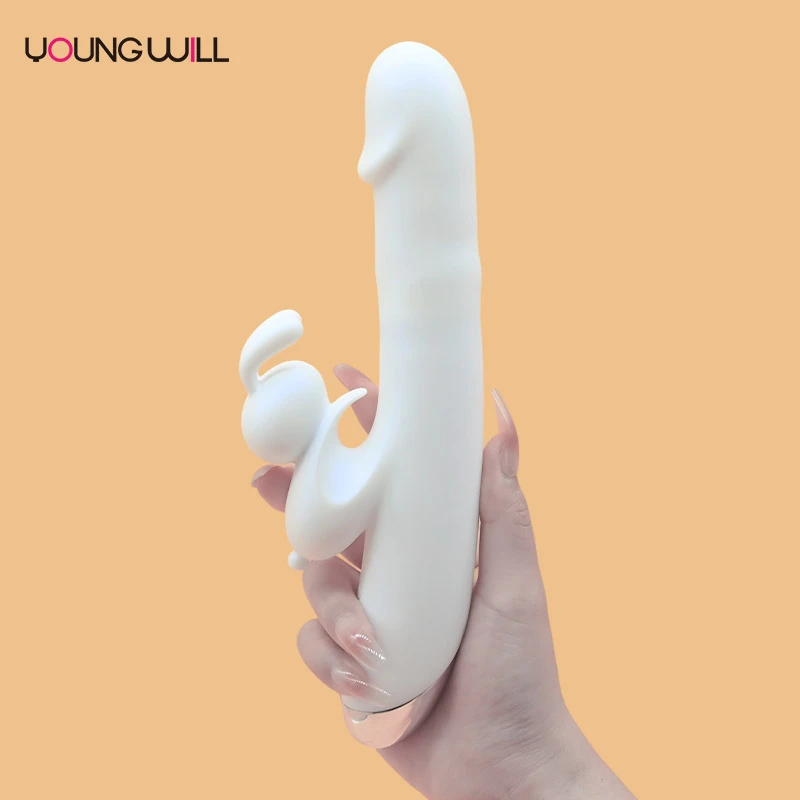
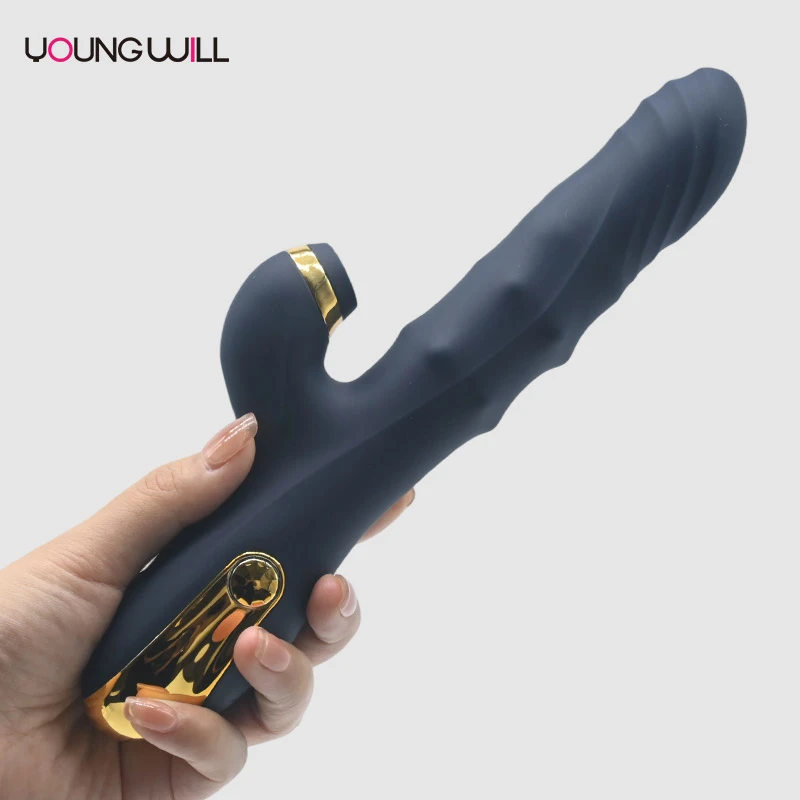
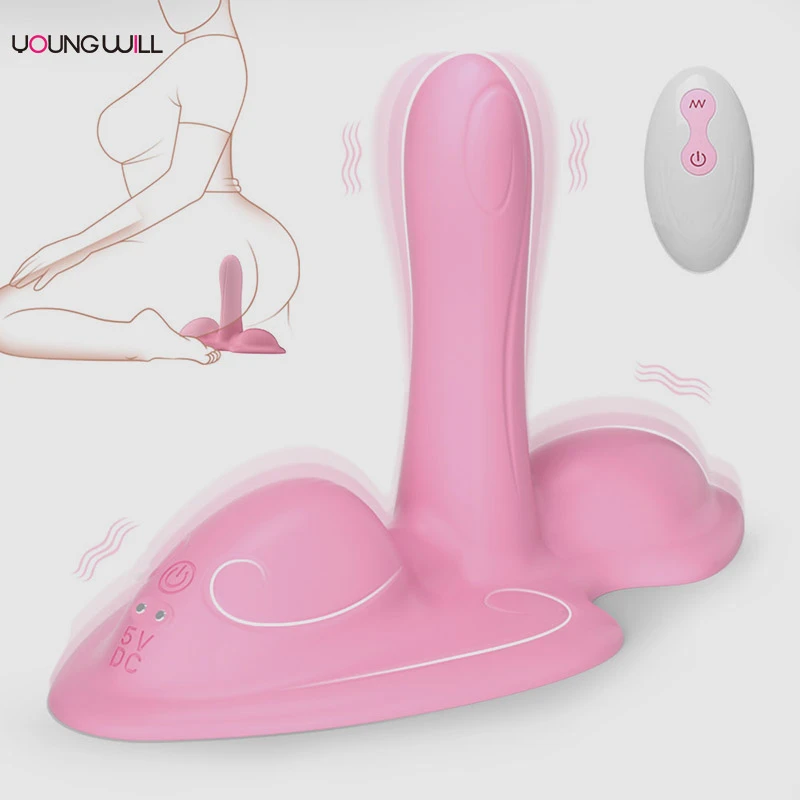
A vibrator, by contrast, refers to any device that uses vibrating motors to stimulate erogenous zones. While some vibrators resemble dildos, their key feature is vibration, offering a different sensory experience. Vibrators can be external, internal, or dual-purpose, and they cater to a broader range of preferences.
So in essence, all vibrators move or buzz; many dildos just don’t. This distinction helps clarify product choice for both consumers and producers alike.
Mini takeaway: Dildos = no motorized movement; Vibrators = vibration-enabled stimulation. Simple, but fundamental.
Key Components That Differentiate Dildos and Vibrators
1. Functionality
Dildos are simpler in mechanism, focusing on form and texture, whereas vibrators incorporate electrical components that create vibration patterns. This functional divergence influences everything from design complexity to maintenance.
2. Power Source and Materials
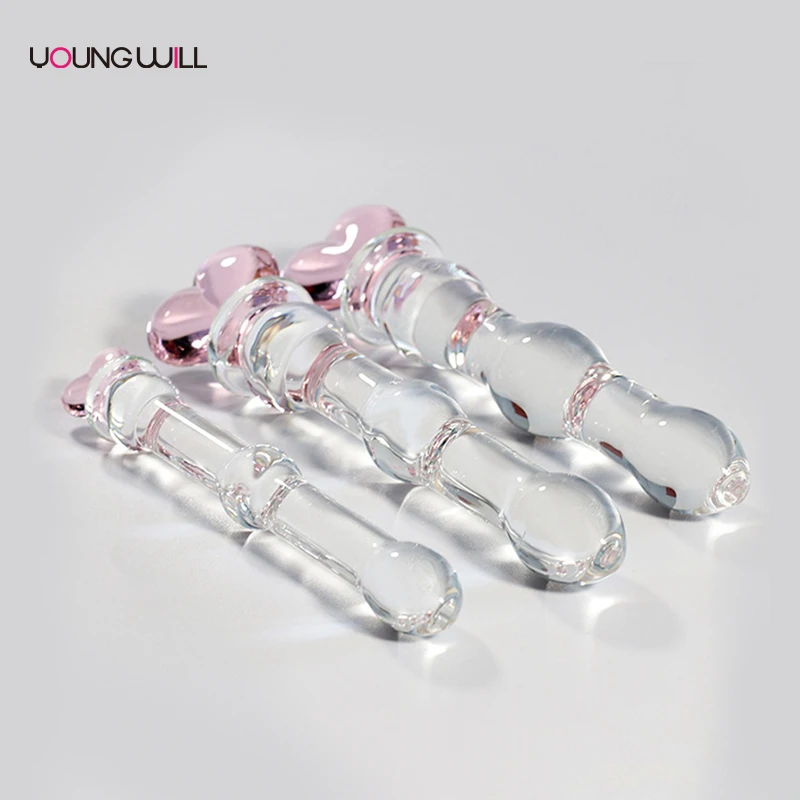
Vibrators need batteries or rechargeable power, resulting in heavier or more complex construction. Dildos are often made from silicone, glass, or resin — materials celebrated for being body-safe and durable without requiring power sources.
3. Usage Versatility
Vibrators often serve dual roles—pleasure and muscle stimulation (some even used in pelvic therapy). Dildos typically offer straightforward penetration without added vibration or textures.
4. Maintenance and Durability
Dildos usually win on ease of cleaning and longevity due to fewer moving parts. Vibrators need more careful sanitization given electric components, as well as cautious battery upkeep.
| Feature | Dildo | Vibrator |
|---|---|---|
| Primary Function | Manual penetration & stimulation | Vibration & stimulation of erogenous zones |
| Power | Non-powered | Battery or rechargeable |
| Material Range | Silicone, glass, metal, resin | Silicone, ABS plastic, metal components |
| Cleaning | Easier to clean and sterilize | Care needed for electronics |
| Usage Scenarios | Basic penetration | External and internal stimulation |
Mini takeaway: The choice between the two often boils down to style of stimulation and practicality in maintenance.
How Different Regions and Industries Use These Devices
Oddly enough, the use and social acceptance of dildos and vibrators vary significantly across cultures. In Western markets like the US and Europe, vibrators are often endorsed in sexual therapy clinics to help individuals experiencing pain or arousal difficulties.
In parts of Asia and Latin America, dildos might be more popular due to cultural preferences favoring simplicity. Meanwhile, some nonprofit organizations focused on sexual health education distribute safe sex toys — often vibrators — to enhance awareness around pleasure and consent in regions where sex remains taboo.
Manufacturers and retailers also tailor their product lines according to these demographics to meet demand with sensitivity.
Mini takeaway: Understanding local context matters — because what works in one region won’t necessarily fly in another.
Advantages & Long-Term Benefits of Understanding and Choosing the Right Device
- Informed Choice: Knowing the difference helps buyers pick what truly suits their needs, improving satisfaction.
- Safety & Health: Proper use reduces risk of injury or infection, backed by user knowledge.
- Social Impact: Sex-positive education tools can challenge stigma and empower users worldwide.
- Sustainability: Choosing longer-lasting materials (often dildos) can reduce environmental waste related to battery-powered devices.
Frankly, it feels like the ripple effect of these small distinctions flows into broader acceptance and more respectful conversations on intimacy.
Emerging Trends: Innovations Shaping the Future of Sexual Wellness Products
Technology is pushing the boundaries here, too. We’re seeing 'smart' vibrators that connect to apps for personalized stimulation patterns or to sync with virtual reality content — blurring lines between tech and sensuality.
Material science advances mean safer, more sustainable silicone variants and biodegradable alternatives. Meanwhile, manufacturers increasingly prioritize inclusivity with adjustable shapes and sizes, reflecting a greater awareness of diverse preferences.
Mini takeaway: The future for dildos and vibrators isn’t static. Innovation continues to marry pleasure with technology and sustainability.
Challenges and Practical Solutions
Common challenges range from misinformation — yes, many still confuse these devices — to concerns about product quality and safety standards. Electronic devices, in particular, face scrutiny related to battery longevity and waterproofing.
Experts suggest transparent labeling, consumer education, and adherence to ISO standards for materials and electronics to overcome these issues. Plus, fostering open dialogues around sexual wellness helps break down taboos preventing informed decision-making.
Vendor Comparison: Leading Manufacturers in the Sexual Wellness Industry
| Brand | Product Focus | Materials | Price Range | Innovations |
|---|---|---|---|---|
| Lelo | Premium Vibrators | Body-safe silicone, ABS plastic | $90–$200 | App connectivity, rechargeable |
| Fun Factory | Vibrators & Dildos | Medical-grade silicone | $50–$150 | Modular parts, varied textures |
| Doc Johnson | Wide Range, budget-friendly | Silicone, jelly, rubber variants | $20–$100 | Classic designs, variety of sizes |
FAQs About What’s the Difference Between a Dildo and a Vibrator
1. Can a dildo have a vibration function?
Yes, some dildos come equipped with vibration components, blurring the lines between the two devices. However, traditionally a dildo is non-vibrating. So, if vibration is a must-have, it’s best to confirm product specs beforehand.
2. Which is easier to clean: a vibrator or a dildo?
Dildos tend to be easier because they lack electrical parts. Vibrators need careful cleaning to avoid water damage, especially if they aren't waterproof. Always check manufacturer guidance for best cleaning practices.
3. Are vibrators safer than dildos?
Neither is inherently safer — safety depends on materials used, user knowledge, and hygiene practices. Body-safe materials and responsible use are key. Both devices can be equally safe given proper precautions.
4. What materials are safest for these products?
Medical-grade silicone is widely considered safest due to its non-porous and hypoallergenic properties. Glass and metal dildos are also safe if tempered properly. Avoid cheap plastics or jelly materials that may contain harmful substances.
5. Can these devices help with sexual dysfunction?
Yes, vibrators specifically are often recommended by therapists to improve blood flow and increase arousal in cases like anorgasmia or erectile dysfunction. Dildos can also aid in desensitization therapy or pelvic floor training under guidance.
Conclusion: Why Knowing the Difference Pays Off
Understanding whats the difference between a dildo and a vibrator is more than a passing curiosity—it's a doorway to better sexual wellness, product safety, and personal empowerment. Whether you’re a first-time user or seeking to upgrade your collection, knowing how each device works and suits your needs will save you time, money, and maybe some awkward moments.
Stay informed, be curious, and if you want to explore more or shop with confidence, visit our website: https://www.youngwilltoy.com.
Because in the end, pleasure and education aren’t just good partners — they might be the best ones.