What Is the Difference Between a Vibrator and a Dildo? A Complete Guide
Understanding the Difference Between a Vibrator and a Dildo: Why It Matters
In today’s open-minded society, conversations surrounding sexual wellness products like vibrators and dildos are becoming more common — and that’s a positive shift. Knowing what is the difference between a vibrator and a dildo isn’t just about semantics. It is a gateway to better personal health, improved sexual satisfaction, and breaking taboos that still linger in many cultures worldwide.
Globally, the adult wellness market is booming, with estimates projecting it to surpass $40 billion by 2027 [1]. Yet, despite this growth, many people still grapple with confusion over product types. Understanding those differences helps buyers make smarter, safer choices for their bodies — and frankly, it fosters a healthier dialogue around sexual well-being.
Mini takeaway: Recognizing what sets vibrators and dildos apart has clear benefits: better choices, more openness, and less guesswork.
A Global Look at Sexual Wellness Products: Vibrator vs. Dildo
According to a recent UN report on sexual health and rights [2], more inclusive conversations about pleasure products can contribute to improved mental and physical health worldwide. However, there remains a huge gap in education and awareness about what exactly these devices are and how their different functions serve diverse needs. This challenge is compounded by cultural sensitivities and varying access to quality products, especially in low-income countries.
It might seem trivial, but at its heart, knowing what is the difference between a vibrator and a dildo also plays into wider questions of body autonomy, consent, and empowerment.
Still, surveys by the World Bank indicate that many first-time buyers often confuse the two or use terminology interchangeably, which might mean they don't fully harness the benefits each offers. The adult toy industry is starting to pay attention — more detailed product info and clearer marketing are becoming the norm.
Mini takeaway: Globally, educating consumers about vibrators and dildos addresses deeper issues around sexual health, access, and social norms.
Defining Vibrators and Dildos: Basic Differences Explained
Alright, let's get down to basics. What is the difference between a vibrator and a dildo? In its simplest form:
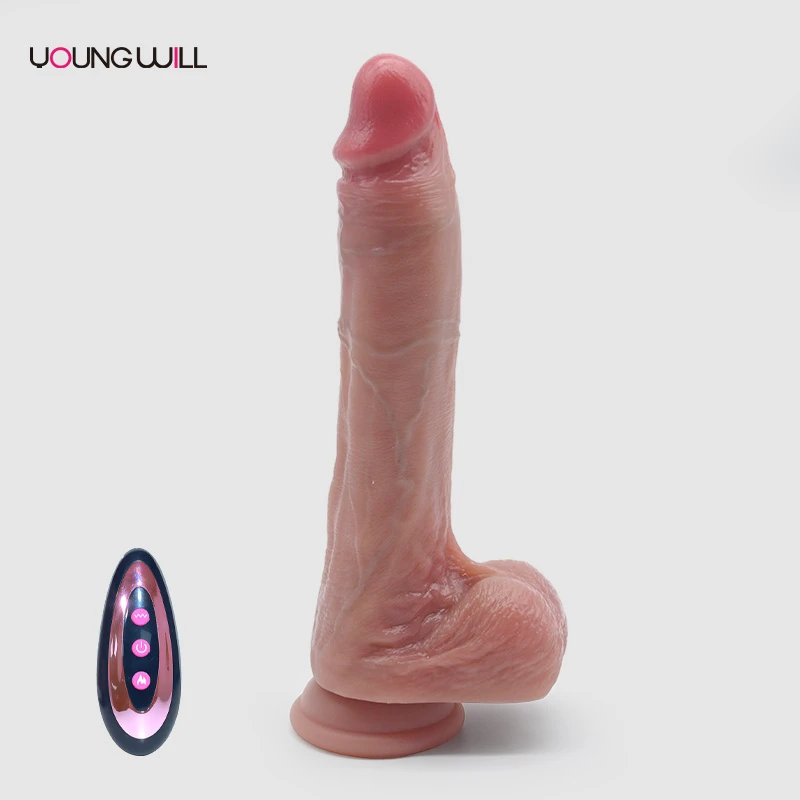
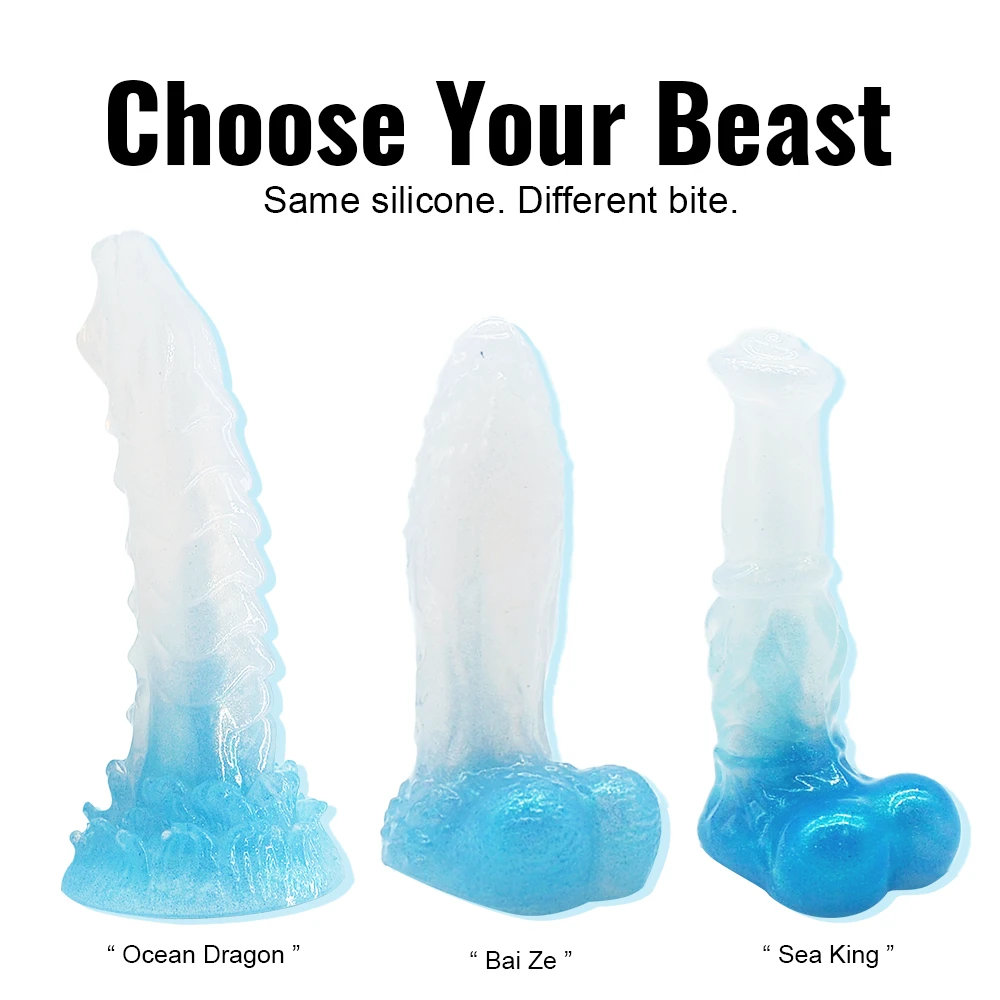
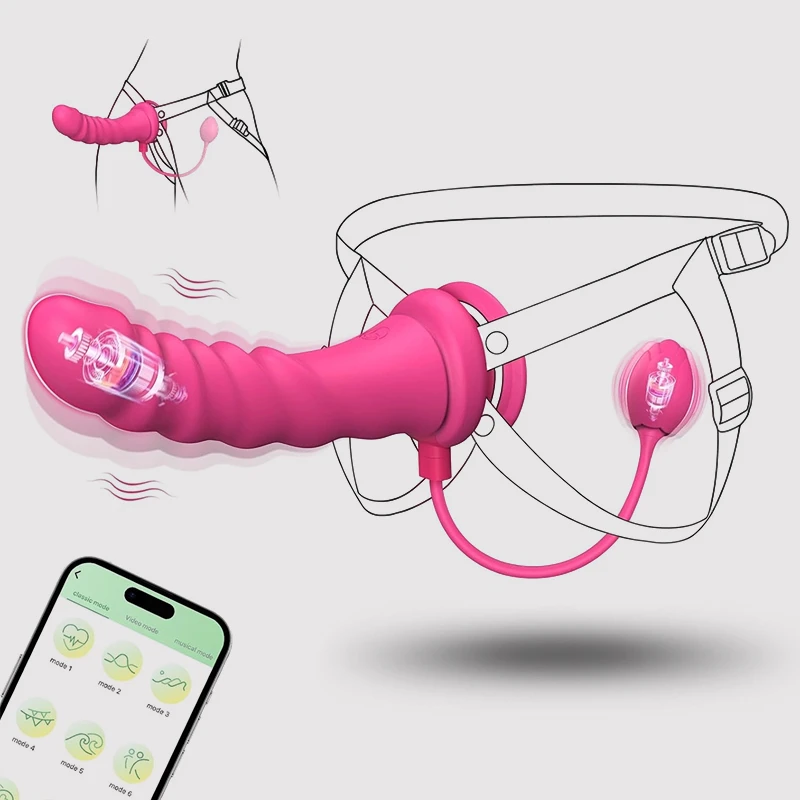
- Dildo: Typically, a dildo is a phallic-shaped object designed for penetration, generally without any motorized components. It mimics anatomical shapes and materials for a hands-on tactile experience but doesn’t vibrate or produce any motion other than what the user creates.
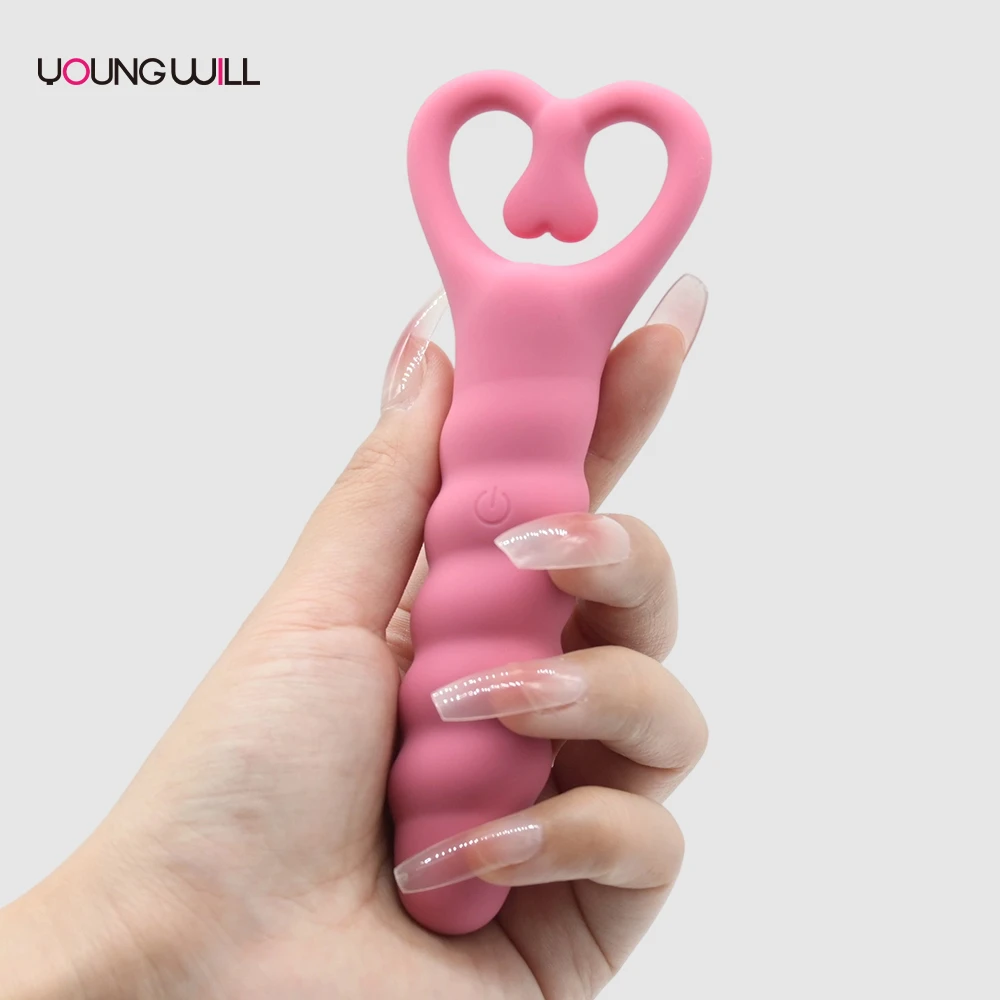
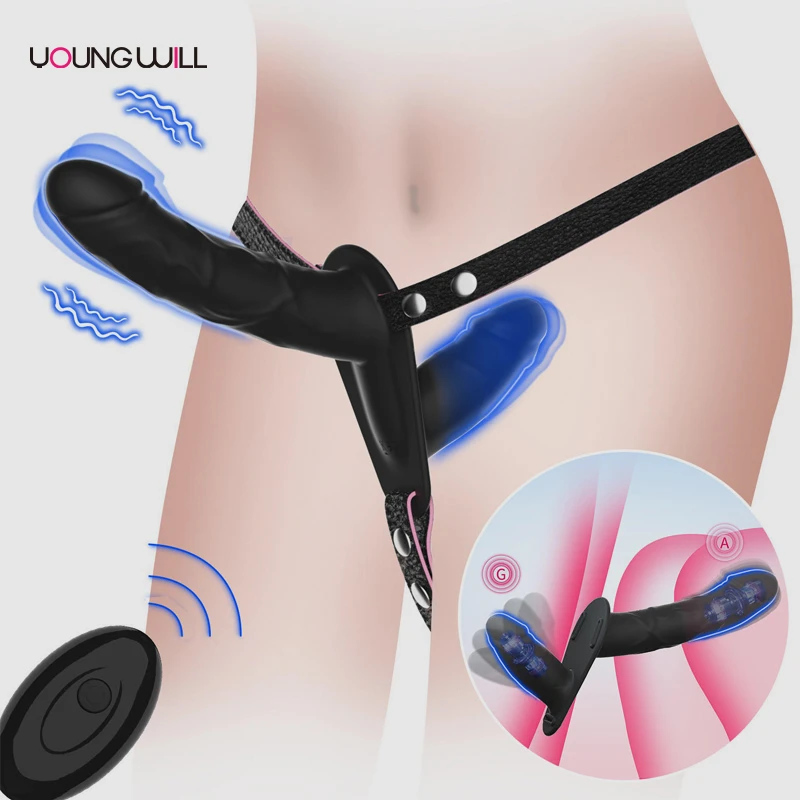
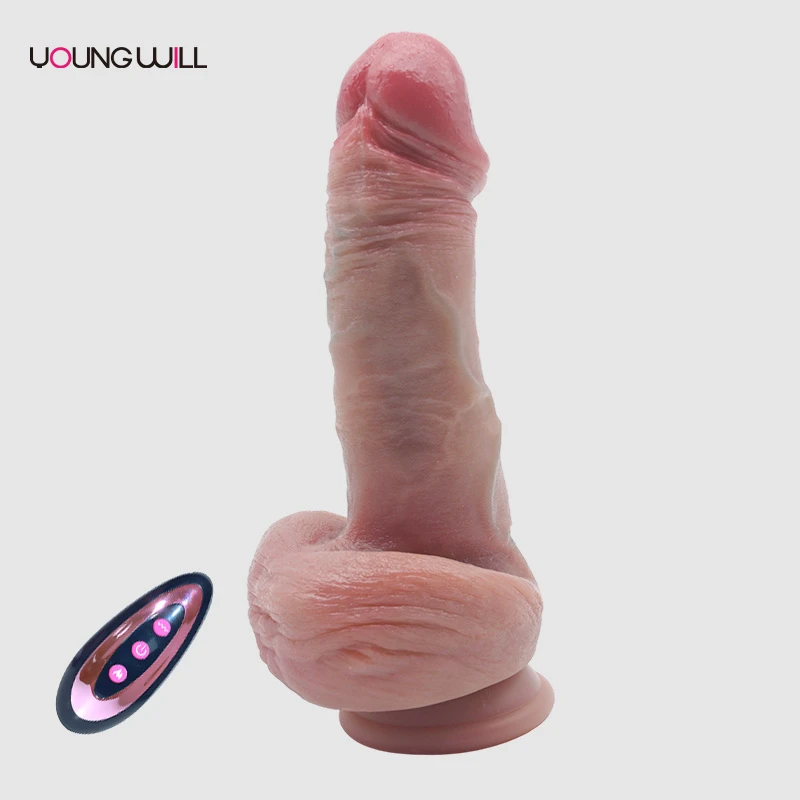
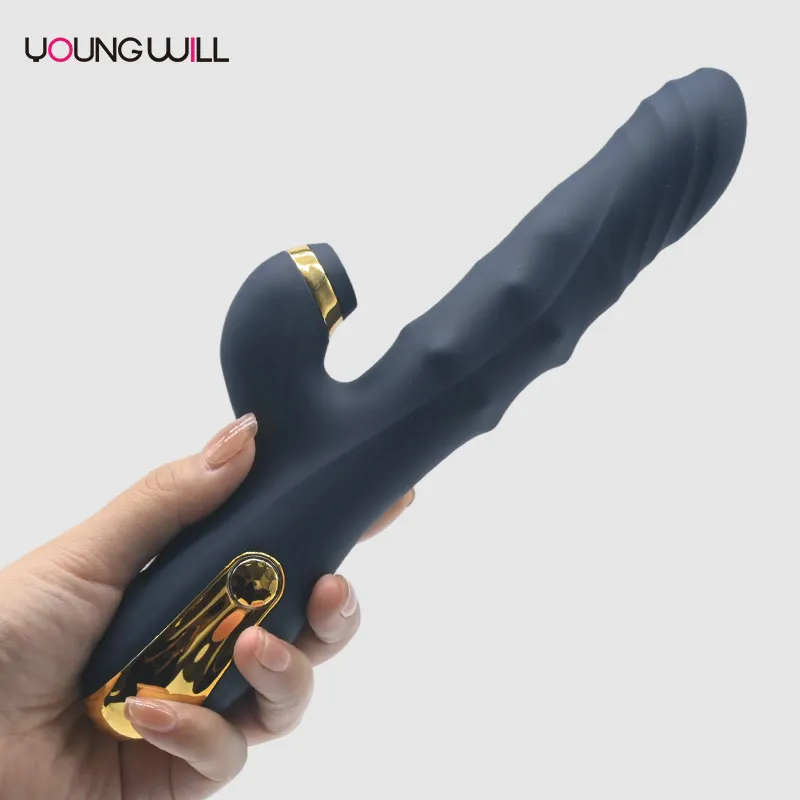
- Vibrator: A vibrator includes an internal motor or mechanism that generates vibrations, intended to stimulate erogenous zones. While many vibrators are shaped like dildos, their primary function is the rhythmic or pulsed vibration for enhanced pleasure.
Both are generally made from body-safe materials like silicone, glass, or ABS plastic, but how they’re used and their technological sophistication differ quite a bit.
Interestingly, the design and manufacturing of these devices intersect with health regulations, innovation in materials science, and even IoT trends — but we’ll get to that soon.
Mini takeaway: Vibrators add movement and stimulation via vibrations, while dildos focus purely on physical shape and manual use.
Four Core Factors Distinguishing Vibrators from Dildos
1. Functionality and Technology
The obvious difference is that vibrators contain a motor, requiring battery power or charging — many come with adjustable modes for varying intensity and patterns. Dildos, meanwhile, are predominantly simpler—no electronics, just raw sensation.
2. Material and Durability
Since vibrators house mechanical parts, manufacturers often use more durable, tech-friendly materials and waterproof casings. Dildos may use denser or softer materials depending on their design focus, like glass for temperature play or silicone for flexibility.
3. User Experience and Purpose
Vibrators can cater to external and internal stimulation, while dildos often focus on penetration pleasure. This affects their size, shape, and even ergonomics designed for specific anatomy.
4. Cost and Maintenance
Because of their complexity, vibrators tend to be pricier and require proper maintenance — cleaning electric components carefully, battery replacements, or recharging. Dildos are generally straightforward, often affordable and low-maintenance.
5. Customizability and Innovation
From app-controlled vibrators to customizable dildos with modular parts, both categories have embraced tech innovation uniquely. Vibrators lean into IoT and smart tech trends, while dildos focus more on material innovation and bespoke fits.
Mini takeaway: The differences span tech, materials, user function, and even price points — all vital for the buyer’s decision.
Global Applications & Who’s Benefiting?
These devices don’t just serve individual pleasure — they have broader applications worldwide. For example:
- Sexual Wellness Clinics & Therapy: Professionals use vibrators and dildos to aid physical therapy or enhance sexual health awareness.
- Education & Advocacy Groups: Organizations teach about safe use and consent, promoting better understanding across cultures.
- Adult Product Manufacturers: Innovate by responding to consumer demands globally, including underserved markets in Asia and Africa where taboos still restrict access.
Notably, in developed countries, there's burgeoning demand for ergonomically designed and body-safe products with eco-conscious credentials. For example, European companies have pioneered silicone-based, hypoallergenic dildos and rechargeable vibrators to reduce waste.
Mini takeaway: Beyond pleasure, vibrators and dildos have roles in therapy, education, and advancing inclusivity worldwide.
Advantages & Long-Term Value of Knowing the Difference
Why does knowing what is the difference between a vibrator and a dildo really matter over the long haul?
- Personal Safety: Using the right product for your needs reduces risks of injury or allergic reaction.
- Cost Savings: Clear awareness avoids buying gadgets that don’t meet your preferences.
- Informed Consent & Communication: Proper vocabulary and knowledge empower honest conversations with partners.
- Social Benefits: Normalizing this knowledge helps reduce stigma, improve mental health, and encourages healthy sexual expression.
Trust me, many users who've learned the differences report better satisfaction and confidence. There’s also the sustainability angle — informed consumers push brands to improve materials and recyclability, benefiting everyone in the chain.
Product Specification Table: A Comparative Snapshot
| Feature | Vibrator | Dildo |
|---|---|---|
| Power Source | Battery or rechargeable | None required |
| Main Function | Internal & external vibration | Penetrative stimulation only |
| Material Examples | Silicone, ABS plastic, metal | Silicone, glass, metal |
| Maintenance | Clean carefully; recharge regularly | Simple cleaning; store dry |
| Average Cost | $40-$150+ depending on tech | $20-$100+ depending on material |
A Look at the Market: Vendor Comparison for Vibrators & Dildos
| Vendor | Product Range | Innovation Level | Price Range | Sustainability |
|---|---|---|---|---|
| Lelo | High-end vibrators & luxury dildos | App control, rechargeable tech | $80 - $200+ | Mostly eco-friendly packaging |
| Fun Factory | Vibrators & silicone dildos | Modular parts, waterproof | $50 - $150 | Sustainable materials focus |
| Doc Johnson | Wide range, budget to premium | Classic design, some newer tech | $20 - $120 | Traditional options; limited eco |
Future Trends: Innovations in Vibrators and Dildos
The adult wellness sector never stays still. Expect to see more AI-driven vibrators adapting stimulation in real-time, increased use of biodegradable materials for dildos, and deeper integration with health apps for monitoring sexual well-being. Sustainability gets a front seat as consumers demand products that don’t harm the planet.
Interestingly, there are also crossovers with medical devices — improved ergonomics and sensory feedback are making their way into therapeutic applications. The technological convergence is quite exciting.
Challenges and How the Industry is Responding
The main challenge remains stigma and misinformation — which leads to poor product choices or avoidance altogether. There’s also the hurdle of regulatory differences, making global distribution tricky for many vendors.
However, companies are increasingly investing in education campaigns, transparent ingredient disclosures, and certifications on safety and fairness. Channels like virtual fitment apps and augmented reality previews are helping users get confident before buying.
FAQ: What People Commonly Ask About Vibrators and Dildos
- Q1: Can I use a dildo if I want vibration?
- A: Technically, no — dildos don’t have built-in vibration by themselves. However, there are attachments and vibrating sleeves designed to add vibration to a dildo. If vibration is your priority, a vibrator is usually a better bet.
- Q2: Are silicone dildos and vibrators safe?
- A: Silicone is one of the safest materials for both, being non-porous and hypoallergenic. Always check that the product is body-safe grade silicone and cleaned properly before use to avoid infections.
- Q3: Does size differ between vibrators and dildos?
- A: Generally, dildos can be found in a wider variety of sizes and shapes focusing on realistic penetration. Vibrators may be smaller if designed for external use, or comparable if shaped for internal stimulation.
- Q4: How do I clean these products?
- A: Dildos can often be boiled or sterilized (depending on material). Vibrators require more careful cleaning to avoid damaging electronics; warm water, mild soap, and toy-specific cleaners are recommended.
Conclusion: Why Knowing the Difference Enhances Your Experience
Understanding what is the difference between a vibrator and a dildo is more than just trivia — it’s an important part of owning your sexual health and pleasure journey. Clear knowledge leads to smarter choices, better safety, and more satisfaction. And in a larger sense, it helps dissolve lingering taboos and encourages a culture of openness and wellness.
If you want to explore quality options or read more expert guides, feel free to visit our website where you’ll find detailed comparisons, user reviews, and advice to tailor your purchase.
Thanks for reading! Pleasure and knowledge—what a fine combo.