What Is the Difference Between a Dildo and a Vibrator? A Complete Guide
Understanding What Is the Difference Between a Dildo and a Vibrator: A Modern Inquiry
Curious about what is the difference between a dildo and a vibrator? You're not alone. As adult wellness products gain mainstream acceptance worldwide, understanding these two popular items becomes more relevant than ever. Frankly, people often mix up these terms, but knowing their distinctions unlocks better personal choices and can even affect health and satisfaction benefits on a broad scale.
Globally, the sexual wellness industry is booming. According to a 2023 report by Grand View Research, the market is expected to cross $33 billion by 2030. This surge means more conversations around product design, safety, and functionality, especially in regions where sexual health is taboo. The difference between dildos and vibrators comes into play here — it’s not just semantics but also about performance, comfort, and user preference.
Introduction: Why Does This Distinction Matter Across the Globe?
The global conversation on sexual health underscores the need for accessible, safe, and varied pleasure products. The World Health Organization ties sexual wellness to overall well-being, making these devices more than just luxury items — they're health tools too. Yet, many face confusion or misinformation regarding what is the difference between a dildo and a vibrator, which leads to unsuitable choices or missed benefits.
In regions ranging from North America to parts of Asia, legalization and social acceptance have triggered innovation, but also debate. For instance, vibrators with complex functions are more prevalent in developed markets, while simple non-electrical dildos dominate less industrialized zones. Vendors often experience challenges in marketing due to unclear consumer education on their differences, which this article aims to clarify.
What Exactly Are Dildos and Vibrators?
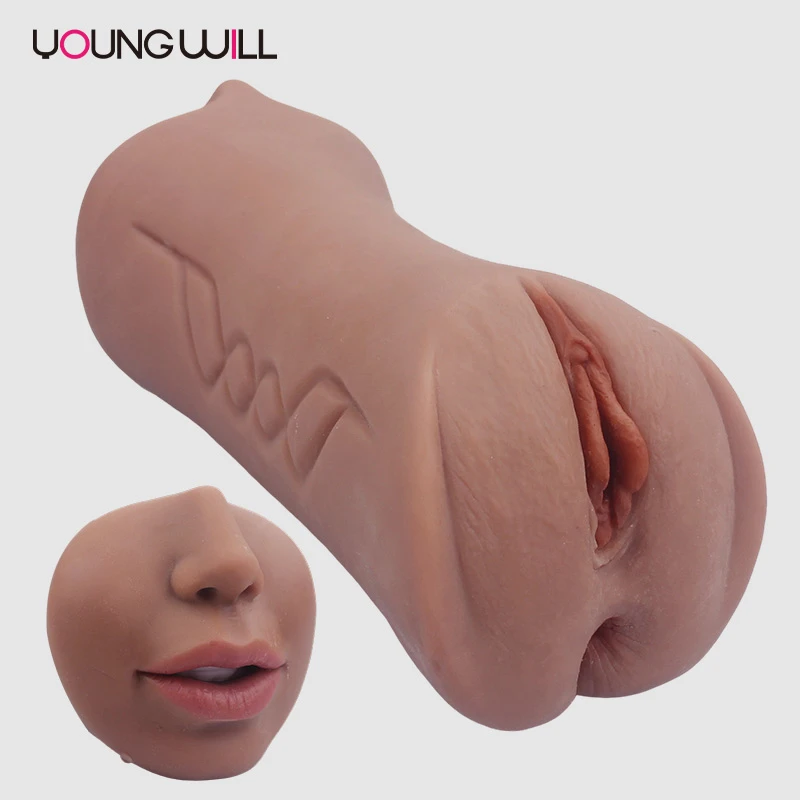
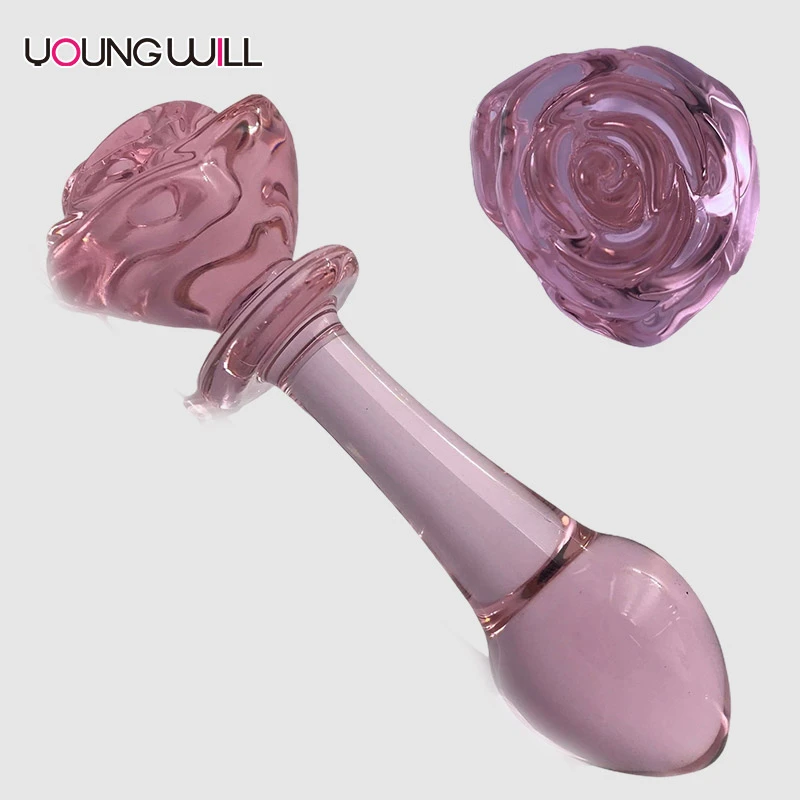
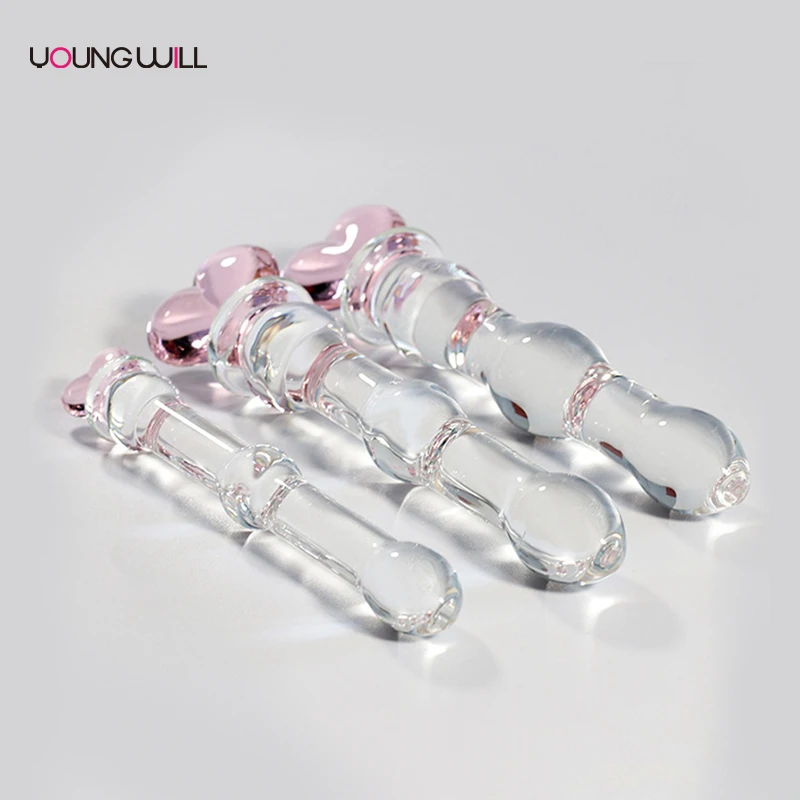
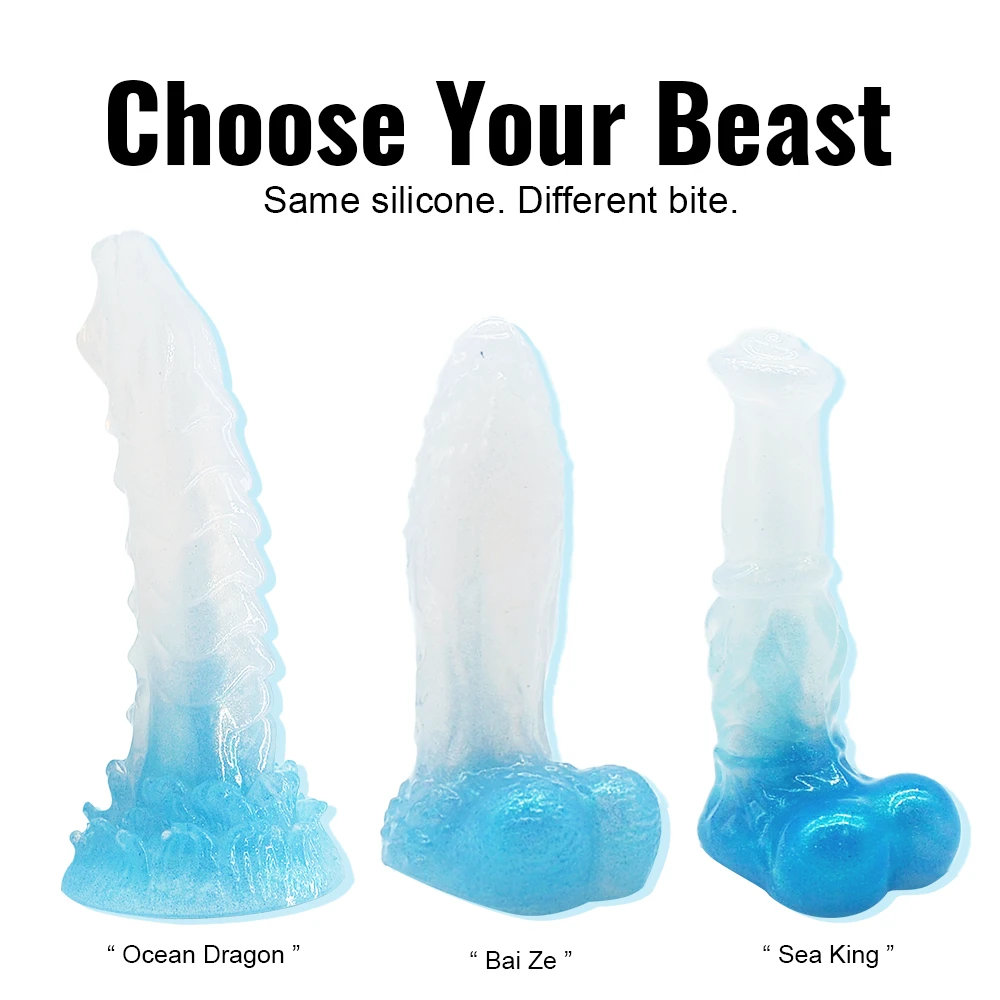
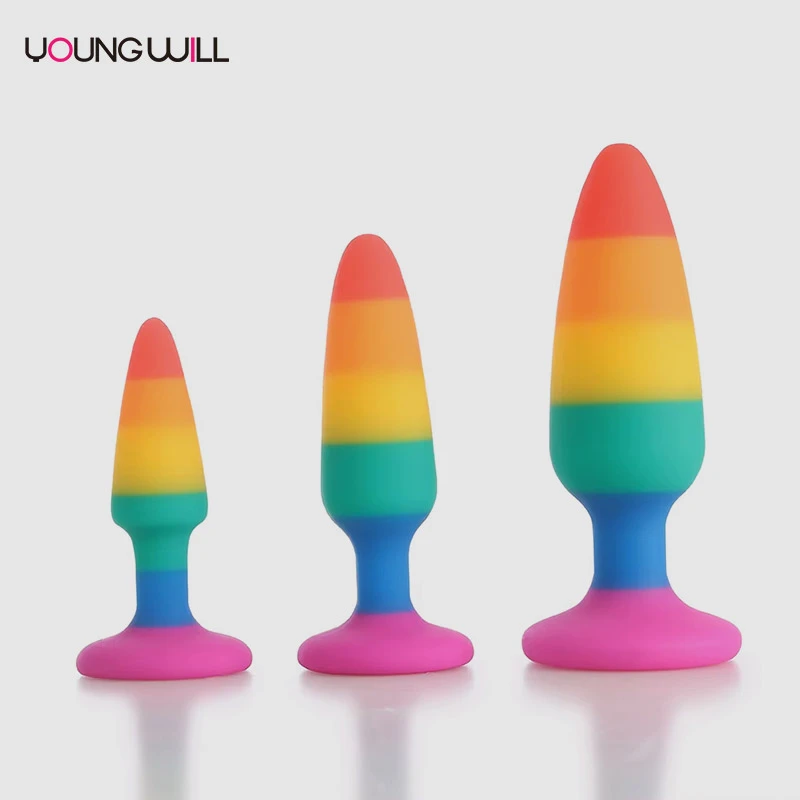
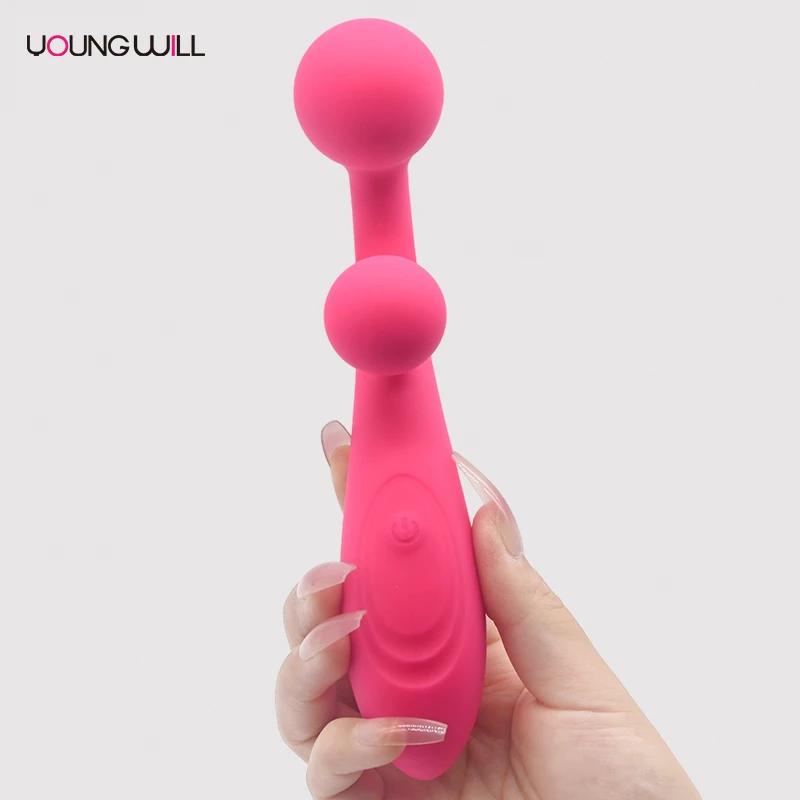
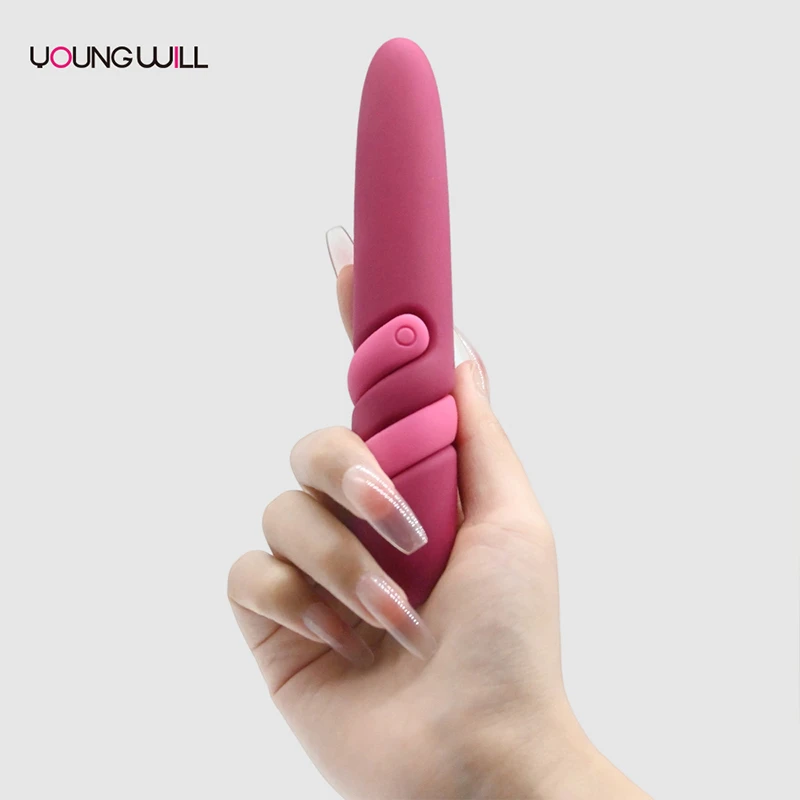
At their core, a dildo is a phallic-shaped object primarily designed for penetration. They usually don’t have any mechanical parts — think of them as more traditional, often made of silicone, glass, or even wood. Meanwhile, vibrators pack a tiny motor inside, generating vibrations to stimulate erogenous zones with added sensation.
It sounds straightforward, but the nuances matter. In the adult product industry, these differences influence design, safety standards, and user experience. Vibrators may also offer multiple vibration modes, waterproof features, or app-controlled settings, whereas dildos emphasize texture, shape, and material quality.
Mini Takeaway:
- Dildos = penetration devices without vibration.
- Vibrators = devices with vibration for varied stimulation.
- Both serve different needs but can overlap for some users.
Key Factors Differentiating Dildos and Vibrators
1. Functionality and Operation
Dildos remain strictly manual, requiring user movement for stimulation. Vibrators, in contrast, have motors creating automated pulsing or buzzing, offering different intensities and patterns — sometimes remotely controlled. This affects how people incorporate these devices into their routines.
2. Material and Build
Dildos prioritize body-safe, non-porous materials like medical-grade silicone or borosilicate glass to reduce bacteria risks. Vibrators add complexity with motor housing and batteries, often covered in silicone sleeves or plastic casings. Durability depends on design, but maintenance differs due to electronics.
3. User Safety and Maintenance
Electronics mean vibrators need charging and careful cleaning to prevent damage. Waterproof designs help but add cost. Dildos, especially non-porous ones, are usually simpler to clean and maintain. This is critical for public health standards and user safety worldwide.
4. Price Range and Accessibility
Generally, dildos fall on the more affordable side because of their simplicity, although luxury materials or handcrafted designs can raise prices. Vibrators tend to be costlier due to motors and tech features. Price impacts accessibility in developing markets.
5. Psychological and Social Implications
Oddly enough, vibrators are sometimes seen as more “modern” or tech-savvy, while dildos evoke tradition. Cultural acceptance and marketing influence how users approach them. Both products challenge taboos and promote healthy sexuality but in slightly different ways.
Mini Takeaway:
- Vibrators offer active stimulation; dildos rely on manual use.
- Materials impact hygiene and durability.
- Price and cultural factors influence global accessibility.
Real-World Applications & Who Benefits Most?
It's fascinating how these differences translate into diverse contexts. Sex therapists often recommend vibrators for people experiencing decreased sensitivity or for couples exploring shared pleasure due to their versatility. Dildos are frequently chosen for those focusing on penetration without electronic noise or complexity.
In regions with limited electricity or where device charging is impractical, simple dildos remain popular. Conversely, in tech-forward markets like Japan or the U.S., vibrators with smart features dominate sales.
| Specification | Dildo | Vibrator |
|---|---|---|
| Primary Function | Penetration | Vibration & Stimulation |
| Material Options | Silicone, Glass, Plastic, Wood | Silicone, ABS Plastic |
| Power Source | Manual | Battery or Rechargeable |
| Price Range (USD) | $10 - $150 | $20 - $250 |
| Ease of Maintenance | Simple, Easy to Clean | Requires Care Due to Electronics |
Advantages and Long-Term Value of Understanding the Difference
Knowing these distinctions helps users pick products fitting their desires responsibly — empowering sexual health while avoiding risks. Socially, as stigma lifts, people embrace products reflecting their identity and preferences better.
From a sustainability angle, simpler dildos often have longer lifespans with fewer electronic wastes, whereas vibrators push innovation in rechargeable tech reducing battery waste. Emotionally, having the right device fosters trust and safety, lowering barriers to intimate conversations and wellbeing.
Looking Ahead: Trends Shaping the Future of Dildos and Vibrators
Green manufacturing is on the rise. Biodegradable silicone blends, recycled plastics, and solar-powered chargers for vibrators merge intimacy with eco-consciousness. Digital transformation brings app integration, AI customization, and even virtual reality compatibility for vibrators, enhancing feedback and personalization.
Oddly enough, manufacturers are also designing modular products that combine dildo shapes with interchangeable vibrating parts — bridging both worlds seamlessly. This flexibility meets broader consumer needs and cultural sensitivities.
Challenges and How to Overcome Them
The main hurdles? Price, user misinformation, and accessibility. Vibrators can be intimidating due to tech complexity or cost, while dildos sometimes lack representation for diverse anatomies. Innovators recommend education campaigns using credible science, better shipping logistics, and culturally sensitive marketing.
Trying a new product often carries embarrassment or fear, but trusted brands and informative communities reduce those barriers, making sexual wellness as normal as skincare or fitness.
Vendor Comparison: A Quick Overview
| Vendor | Product Range | Price Level | Notable Features | Global Reach |
|---|---|---|---|---|
| YoungWill Toy | Dildos, Vibrators, Hybrid | Mid-Range | Eco-friendly silicone, USB rechargeable | Worldwide |
| LuxeSensuals | High-end Vibrators | Premium | App control, waterproof | North America, Europe |
| SimplePleasures | Affordable Dildos | Budget | Basic designs, hypoallergenic | Asia, Latin America |
FAQ: Common Questions Around What Is the Difference Between a Dildo and a Vibrator
- 1. Can I use a dildo just like a vibrator if it doesn’t vibrate?
- Not really. While you can use a dildo manually to stimulate, it won't provide the automated pulsations or varied intensity that a vibrator offers. If you want that buzzing sensation, a vibrator is the way to go.
- 2. Are vibrators safe to use daily?
- Yes, provided you clean them properly and use recommended materials, vibrators are safe for daily or regular use. Overuse might cause temporary sensitivity, so listen to your body.
- 3. How do I clean dildos and vibrators differently?
- Dildos without electronics can often be boiled or sterilized easily. Vibrators require gentle cleaning and drying because moisture can damage motors or batteries. Many vibrators are waterproof, but always check manufacturer instructions.
- 4. Which is better for beginners, a dildo or vibrator?
- It depends on personal preference. Beginners wanting simple penetration might start with a dildo. Those curious about varied sensations might try a vibrator. Sometimes starting with a hybrid or consulting online guides helps.
- 5. Does price always mean better quality?
- Not necessarily. While higher-priced models tend to have advanced features or premium materials, affordable dildos and vibrators can still be safe and enjoyable. Research and reviews are key.
Conclusion: Why Knowing What Is the Difference Between a Dildo and a Vibrator Matters
Understanding the difference isn’t just trivia; it’s about empowering yourself, enhancing wellness, and navigating a complex market with confidence. The sexual wellness market continues to evolve with innovation and respect for user needs worldwide. If you’re keen to explore these options with quality and support, visit our website: https://www.youngwilltoy.com.
After all, pleasure and safety can happily coexist. And I suppose that’s the kind of balance everyone’s after.