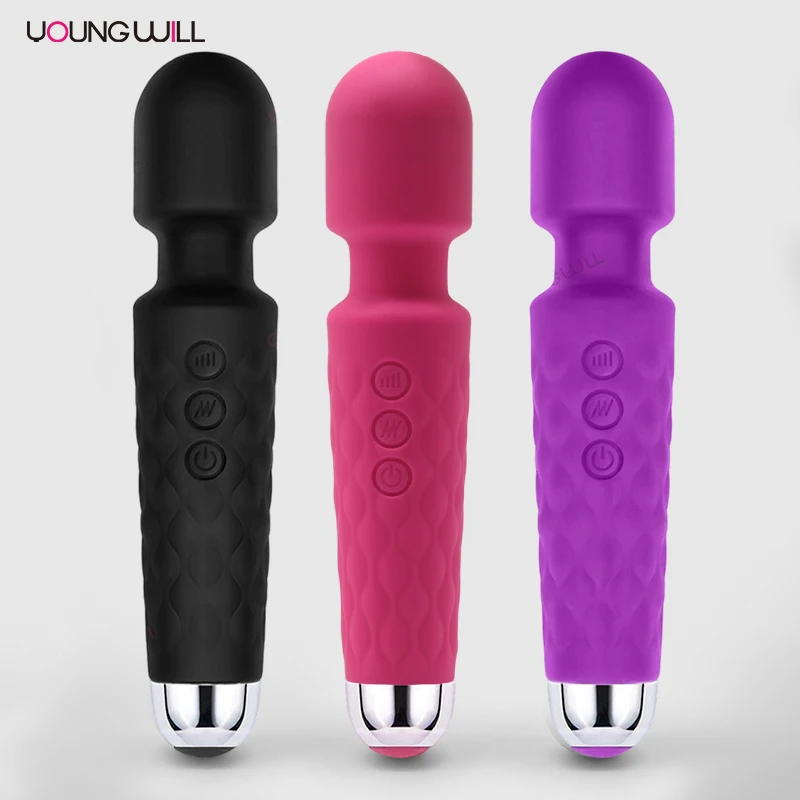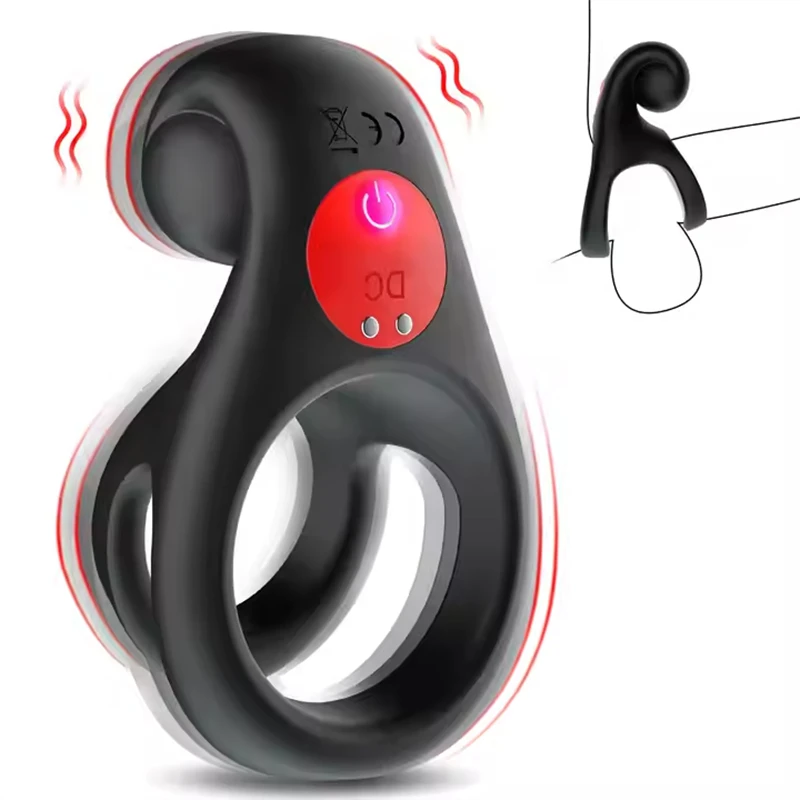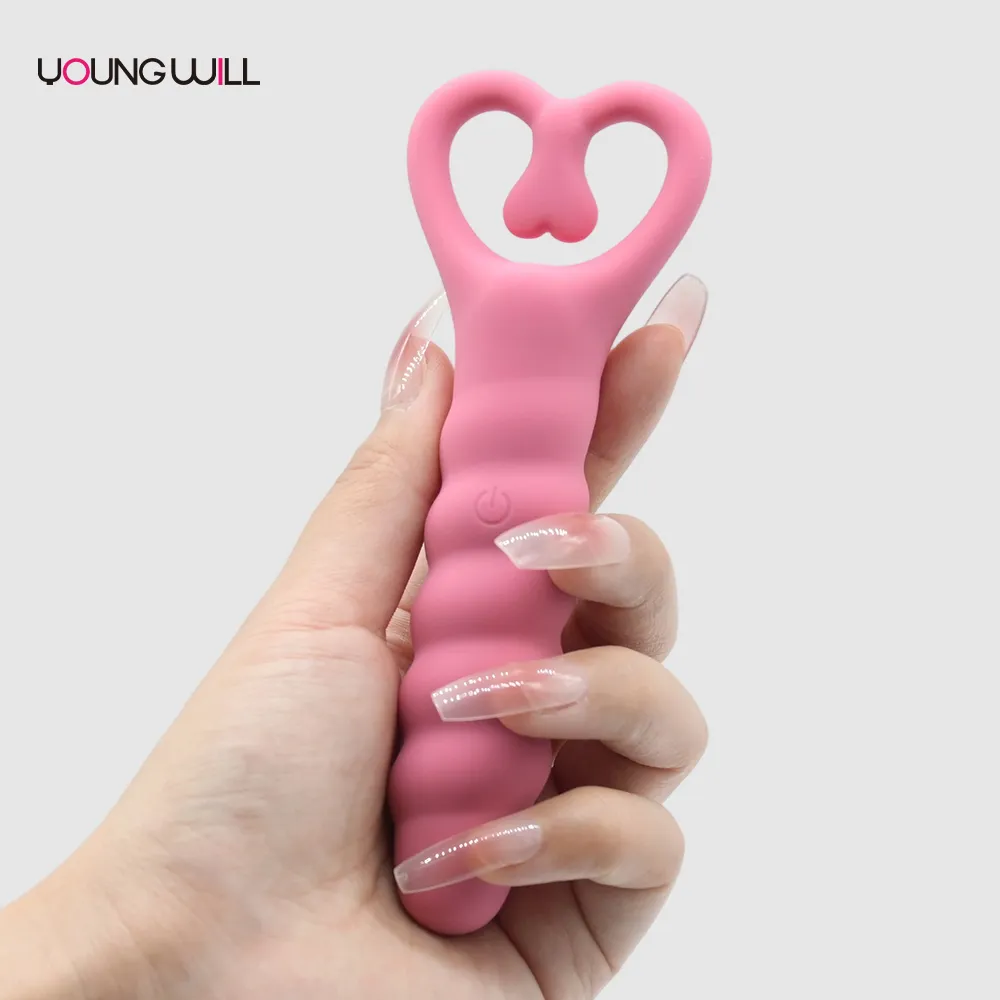
What Does a Vibrator Feel Like? Exploring Sensations & Uses
Understanding What Does a Vibrator Feel Like: A Deep Dive
When it comes to personal well-being, few devices spark as much curiosity and conversation as the vibrator. People ask, “What does a vibrator feel like?” and the truth is, the sensation can be as varied and rich as the device designs themselves. Globally, with the sexual wellness industry now a $30 billion market and growing, understanding these sensations isn’t just taboo chatter; it’s becoming part of health and self-awareness worldwide. Knowing the benefits and nuances enhances confidence, intimacy, and overall satisfaction.
In this article, I’ll explore the sensations vibrators offer, touch upon why they matter, and offer insights into how different features influence the experience. If you’ve ever wondered about the feeling or the tech behind it, stick around for a candid, insightful look.
The Global Context: Why Understanding Vibrator Sensations Matters
Sexual wellness is far from just a fringe industry. Reports from the United Nations emphasize sexual health as an intrinsic part of overall health and human rights. More people globally are embracing devices to improve pleasure, alleviate stress, or enhance intimacy with partners.
However, many still hesitate due to a lack of clear, open information, often leading to misperceptions. According to a 2022 Euromonitor study, over 65% of new vibrator users cited curiosity about “what does a vibrator feel like” as their primary reason for purchase.
Still, the “problem” is that sensation is subjective and depends on factors like vibration style, intensity, location, and materials. The industry is responding with innovation aimed at customization and safety to meet this demand globally.
What Does a Vibrator Feel Like? Defining the Sensation
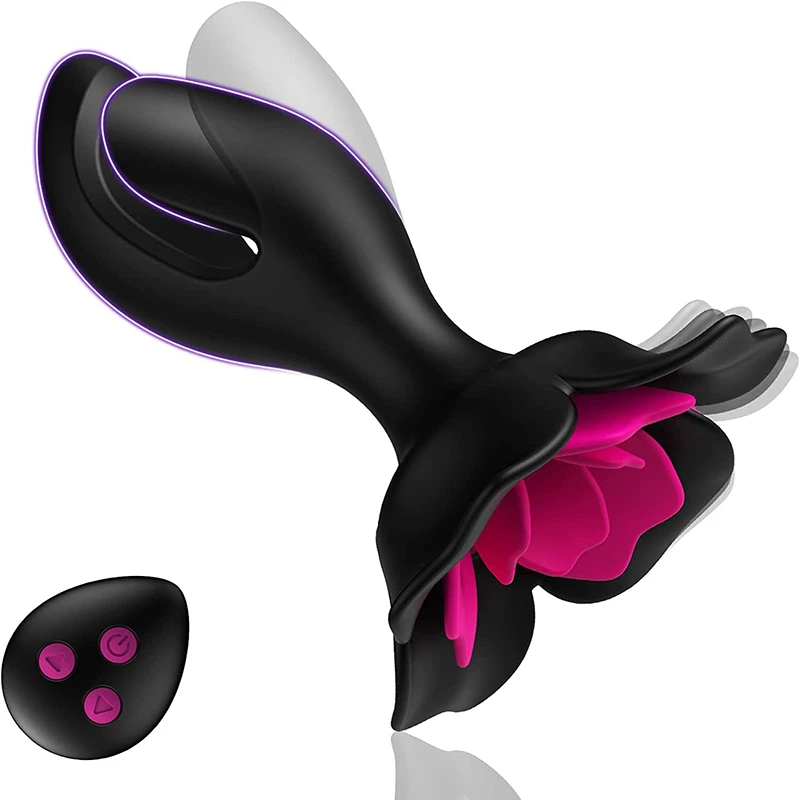
Simply put, a vibrator is a device that produces rapid, rhythmic vibrations designed to stimulate nerves and muscle tissue, typically in erogenous zones. But “what does a vibrator feel like” is less about neuropathology and more about personal sensory experience.
- Buzzing vs Pulsing: Some feel like a steady hum, others like intermittent taps.
- Intensity Levels: From a gentle tickle to a deep rumble, the power spectrum shapes sensation.
- Texture and Contact: Silicone, metal, or plastic surfaces influence the warmth or coolness felt.
These devices aren’t just for pleasure—they appear in physiotherapy and wellness regimes, aiding muscle relaxation and blood flow. Their ability to stimulate nerves in a focused way connects them to medical as well as personal uses.
Key Factors Influencing What Does a Vibrator Feel Like
1. Vibration Pattern and Frequency
Frequency (measured in hertz) dictates how fast the device vibrates. Low frequencies feel like gentle throbs, while high frequencies create sharper sensations. Many models allow users to switch between pulses, waves, or continuous buzz, making the experience highly customizable.
2. Power and Intensity Settings
Adjustable power means the difference between a soft caress and an insistent buzz. For beginners, low intensity is more approachable; experienced users often prefer higher settings for deeper stimulation.
3. Material and Shape
Materials influence heat transfer and skin feel. Soft medical-grade silicone tends to warm quickly and feel natural, while metal vibrators start cool and offer firmer sensation. Shapes—curved, smooth, or textured—also determine contact points and sensation depth.
4. Noise Level
Quiet operation adds to comfort; noisy units can distract or ruin the mood. Modern devices are designed to minimize sound without compromising power.
5. Battery Life and Portability
Long-lasting batteries mean not having to cut short your experience or worry about charging often. Portability adds convenience—whether at home or away.
Product Specification Table: Typical Vibrator Features
| Feature | Specification | Notes |
|---|---|---|
| Vibration Frequency | 20Hz – 100Hz | Variable by model |
| Material | Medical Grade Silicone, ABS Plastic, Metal | Affects warmth and feel |
| Power Source | Rechargeable Li-Ion Battery | 2–4 hour charge time |
| Noise Level | Whisper-quiet design | |
| Water Resistance | IPX7 | Safe for shower use |
Comparison of Popular Vibrator Vendors
| Brand | Price Range | Material | Unique Features | Warranty |
|---|---|---|---|---|
| LuxeVibe | $70–$120 | Silicone | App-controlled, customizable patterns | 2 years |
| PulsePro | $50–$90 | ABS Plastic | Multi-speed, compact design | 1 year |
| WaveMotion | $100–$150 | Silicone & Metal | Rechargeable, waterproof, whisper quiet | 3 years |
How Are Vibrators Used Globally? Real-World Applications
In regions where sexual health has been traditionally marginalized, devices like vibrators are now finding space in wellness clinics and personal care. Clinics in Europe and North America often recommend vibrators for pelvic floor therapy and anxiety relief.
In other parts of the world, evolving social attitudes mean more people use vibrators as part of solo or partner sex. Online communities foster education, breaking down taboos surrounding what a vibrator feels like and how it can enhance intimacy.
Commercial applications also include massage therapy devices that borrow from vibrator technology to relieve muscle tension.
Benefits: What Makes a Vibrator Valuable Long-Term?
- Improved Sexual Satisfaction: Opens pathways to new sensations and confidence.
- Stress and Muscle Relief: Vibrations help loosen tight muscles and reduce anxiety.
- Customization: Adjustable settings mean it can evolve with user preferences.
- Discretion and Safety: Silent designs and body-safe materials provide privacy and health assurance.
Emotional benefits are just as important—you can feel trusted tools that honor your privacy and comfort, which encourages honest exploration and self-love.
Innovations on the Horizon: An Exciting Future
Frankly, the vibrator industry is embracing technology with gusto. From AI-driven personalized vibration patterns to eco-friendly, biodegradable materials, the future is shiny. We’ll see more Bluetooth integrations, allowing you to sync vibrations to music or partner input remotely. Emerging battery tech allows longer playtime with faster charges.
Oddly enough, the wellness world is also looking at how vibration frequencies may aid neurological health or circulation. So what does a vibrator feel like soon could also mean what a vibrator does for your body and mind.
Common Challenges and How to Overcome Them
Despite progress, some issues linger:
- Noise: Some still find devices too loud, distracting from ambiance.
- Material Sensitivity: Allergies can complicate choices for some users.
- Battery Limitations: Usage sometimes outpaces charge life, especially for heavy users.
Manufacturers tackle these by improving motor insulation for quiet operation, using hypoallergenic silicones, and expanding fast-charging options.
FAQ: What Does a Vibrator Feel Like?
Q: Is the sensation painful or uncomfortable?
A: No, vibrators are designed to stimulate, not hurt. If it feels uncomfortable, users should adjust intensity or try a different shape or material.
Q: How different do various materials feel when used?
A: Silicone tends to feel warm and soft; metal feels cooler and firmer. Choice depends on personal preference and desired sensation.
Q: Can vibrators be used safely for therapy?
A: Yes, many physical therapists recommend vibrators for muscle relaxation and stress relief, provided they’re used properly.
Q: What if I'm worried about privacy or noise?
A: Many modern devices are whisper-quiet and designed with discretion in mind, so you can enjoy comfort without worry.
Conclusion: Embracing What Does a Vibrator Feel Like
Understanding what does a vibrator feel like opens doors to deeper self-awareness, wellness, and satisfaction. Whether for sexual pleasure, muscle relief, or both, vibrators are evolving quickly to meet individual needs across the globe. If you’re curious, the best way to know is to explore—carefully and comfortably.
Ready to discover your perfect fit? Visit our website for expert guides, product reviews, and the latest in sensation innovation.
References & Reflections
- World Health Organization. Sexual Health. https://www.who.int/health-topics/sexual-health
- Euromonitor International. Global Personal Massagers Market Report, 2022.
- ISO 20743:2013 – Textiles – Determination of Antibacterial Activity.