What Does a Rabbit Vibrator Do? Insights from the Industrial Equipment Sector
What Does a Rabbit Vibrator Do? A Practical Perspective
Now, you might wonder why someone with experience in industrial equipment is talking about a rabbit vibrator. Honestly, working with small mechanical devices for years, I grew fascinated by how design and material choices impact functionality—even in personal wellness products. Oddly enough, rabbit vibrators are a neat example of this blend of ergonomics, durability, and user-focused innovation.
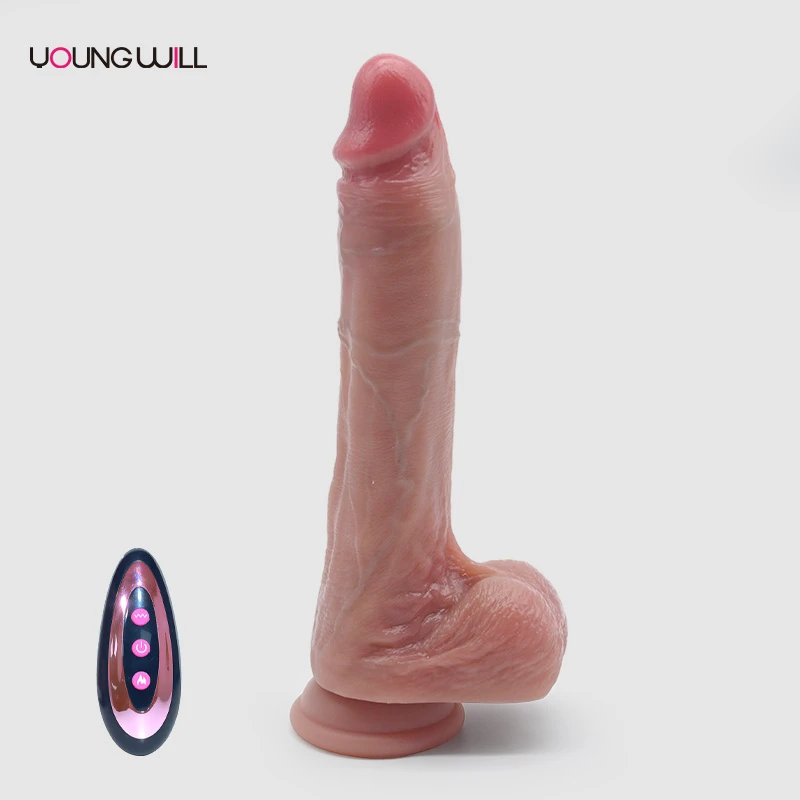
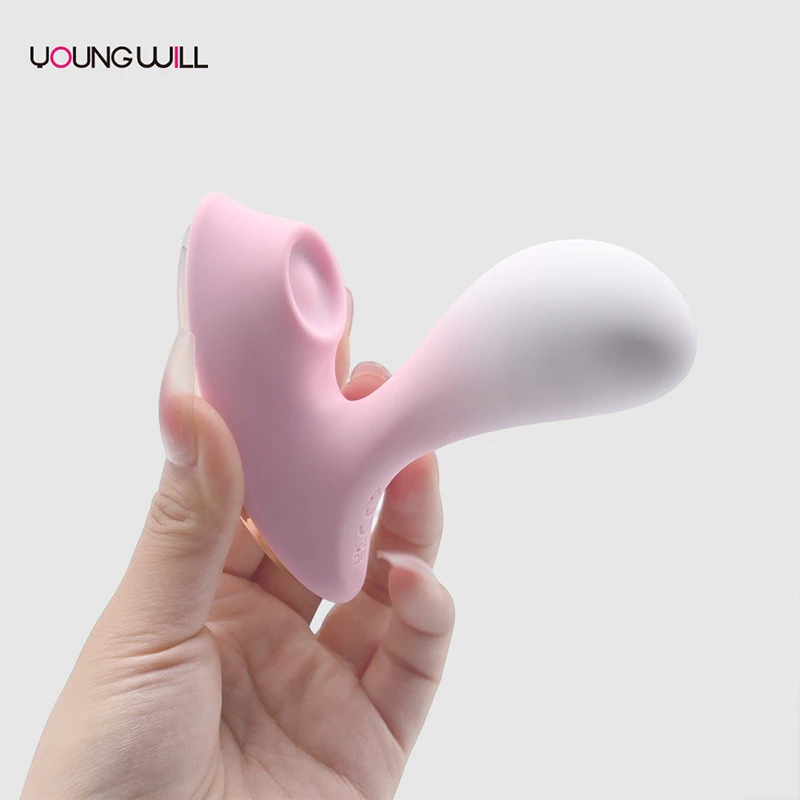
In real terms, a rabbit vibrator is a type of dual-stimulation personal massager. That means it’s designed to provide targeted stimulation both internally and externally, typically using a phallic shaft and a smaller external appendage shaped like, well, a rabbit—hence the name. This dual mechanism has made it wildly popular because it delivers more nuanced sensations compared to simple vibrators.
From a materials standpoint, many manufacturers now lean towards medical-grade silicone. It’s body-safe, soft to touch, and cleans easily—especially important for any device meant for repeated use close to delicate areas. Plus, it’s durable. I've seen this firsthand working with various seals and coatings; not all silicones perform equally, and the ones intended for intimate products tend to be top-tier.
Design and Product Specifications: How They Matter
One thing that fascinates me is the engineering behind these gadgets—compact motors, clever battery arrangements, and waterproofing. When you look at the specs, it’s clear there’s serious thought put into making them reliable and easy to clean.
| Specification | Details |
|---|---|
| Material | Medical-grade silicone |
| Power Source | Rechargeable Lithium-ion battery |
| Vibration Modes | 7 different speeds and patterns |
| Water Resistance | IPX7 waterproof rating |
| Length | Approximately 8.4 inches |
One thing I’ve noticed over the years: users really appreciate long-lasting batteries and silent motors—no one wants a device that sounds like an industrial drill. It's kind of funny how many parallels exist between the small motors used in personal devices and those in other precision tools I’ve worked with.
Comparing Rabbit Vibrator Vendors: Choosing the Right Fit
When sourcing these products, especially for resale or wholesale, the differences between vendors become apparent. Quality control isn't uniform and some brands focus heavily on safety certifications while others prioritize sleek design or feature-rich tech.
| Vendor | Material Quality | Price Range ($) | Battery Life (hrs) | Waterproof |
|---|---|---|---|---|
| YoungWill | Excellent (Medical-grade silicone) | 50–80 | 3.5 | Yes (IPX7) |
| Brand A | Good (Food-grade silicone) | 40–70 | 2.5 | Yes (IPX6) |
| Brand B | Average (TPE material) | 30–50 | 1.5 | No |
One story that stuck with me was from a friend who swore by a particular vendor after trying a rabbit vibrator that lasted years without complaint—and yes, she joked about it like it was an industrial asset rather than a personal toy. That kinda stuck, because it’s all about reliability.
All in all, a rabbit vibrator isn’t just about the buzz or the shape—it’s an intricate piece of design and engineering focused on user experience and safety. And when you dig beneath the surface, the parallels with my years in the industrial sector are quite striking.
Hope this sheds some light and maybe even piques your curiosity a bit! Sometimes, the little devices can teach us a lot about innovation in unexpected places.
References & musings:
- Years of field experience in precision motorized equipment.
- Material science insights from medical & consumer product applications.
- Customer feedback loops and sourcing challenges in B2B trade.