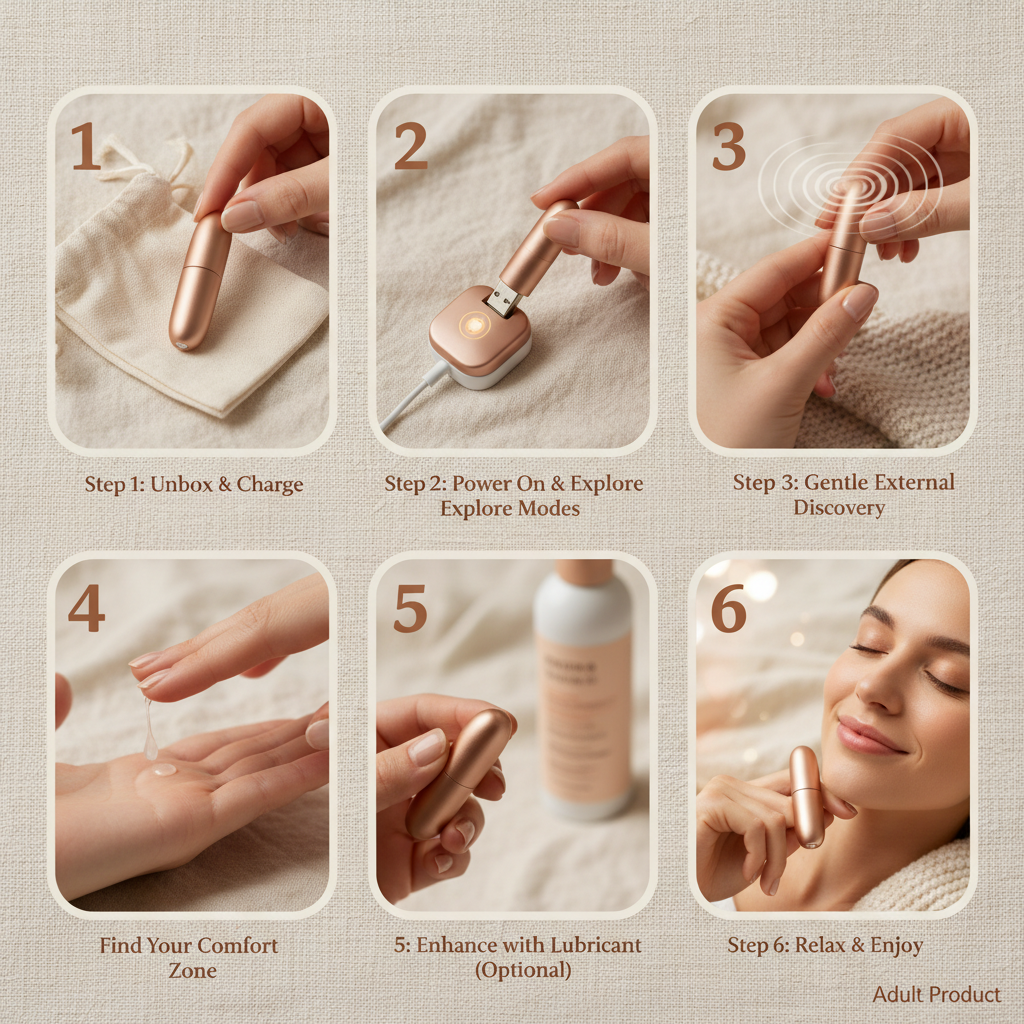
When searching for ways to enhance intimacy, many users find themselves wondering what actually distinguishes a high-quality experience from a generic one. The desire to buy realistic dildos often stems from a need for anatomical accuracy and a tactile feel that mimics human skin, reducing the clinical sensation associated with lower-grade materials. However, the market is saturated with options, making it difficult for buyers to identify which specifications actually correlate with safety and pleasure.
The importance of this selection process lies in the intersection of material science and biological compatibility. In the broader context of adult products—ranging from Anal Sex Toys and BDSM gear to specialized Rabbit Vibrators—realistic textures serve a specific psychological and physical purpose. For the user, the difference between medical-grade silicone and porous TPE isn't just about "feel," but about long-term hygiene, the prevention of irritation, and the durability of the product under repeated use.
Navigating these technical nuances requires an understanding of how manufacturing standards impact the end-user experience. By analyzing the structural components and material integrity of modern adult health solutions, we can move beyond marketing claims to find genuine value. This guide provides a professional analysis of the criteria necessary to buy realistic dildos that prioritize both sensory satisfaction and rigorous safety standards.


Realistic design in adult health products is not merely about visual mimicry but about the strategic application of varying densities within the material. High-end realistic products often utilize a "dual-density" approach, where a firmer inner core provides structural support and stability, while a softer outer layer simulates the elasticity of human tissue. This structural duality ensures that the product can maintain its shape during use while remaining gentle on the body's sensitive mucous membranes.
From a manufacturing perspective, achieving this requires precise mold development and a deep understanding of polymer chemistry. The goal is to balance the shore hardness of the material so that it is neither too rigid (which can cause discomfort) nor too soft (which lacks the necessary stimulation). By focusing on these technical specifications, manufacturers can create products that feel natural and respond dynamically to movement, enhancing the overall user experience.
The primary factor determining the quality of a realistic product is the raw material. Medical-grade platinum silicone is the industry gold standard because it is non-porous, hypoallergenic, and chemically inert. Unlike cheaper TPE or PVC, platinum silicone does not leach phthalates or other harmful plasticizers into the body. This material choice is critical for those with sensitive skin or those who prioritize long-term health and hygiene in their intimate choices.
Beyond safety, the tactile experience is influenced by the material's coefficient of friction and its thermal conductivity. Silicone can be designed to warm up quickly to body temperature, which significantly increases the "realistic" sensation. Additionally, the non-porous nature of medical-grade silicone ensures that it does not harbor bacteria, making the sterilization process straightforward and effective, which is a non-negotiable requirement for any high-quality internal toy.
Durability is another key metric. While softer materials may feel realistic initially, they often degrade or "melt" when they come into contact with certain lubricants or over time due to oxidation. Platinum silicone maintains its integrity for years, resisting tears and maintaining its texture. For the buyer, this means a lower cost-per-use and a consistent experience over the product's entire lifecycle.
Modern realistic products are evolving from simple shapes to complex, multi-functional tools. Ergonomic engineering focuses on the curvature and angle of the product to target specific internal zones, such as the G-spot or the prostate. By integrating targeted bends and tapered tips, these products reduce the effort required by the user to find the optimal angle, thereby increasing the efficiency of the stimulation and the overall quality of the experience.
The integration of triple-stimulation versatility—combining clitoral, vaginal, and anal tips—allows for simultaneous internal and external engagement. When these tips are crafted from hypoallergenic, medical-grade silicone and paired with low-noise motors (≤50dB), the product shifts from a basic tool to a sophisticated health device capable of delivering targeted, deep-rumbling vibrations without compromising discretion.
This shift toward versatility means that users no longer need multiple separate devices to achieve comprehensive satisfaction. The ability to switch between solo focus and dual stimulation—such as using a curved vaginal tip for internal pleasure while a flexible clitoral tip provides external stimulation—represents a significant leap in product utility. This versatility is the result of rigorous R&D and a commitment to user-centric design.
When evaluating different materials used in realistic products, the most critical metric is the porosity level. Porous materials like TPE (Thermoplastic Elastomer) have microscopic holes that can trap bacteria, moisture, and lubricant residue. In contrast, medical-grade silicone is non-porous, meaning it is impervious to these contaminants, which directly impacts the hygiene and safety of the product over time.
Another point of comparison is the "Shore Hardness," which measures the resistance of a material to indentation. Realistic products typically aim for a balance—too high a value feels like hard plastic, while too low a value lacks the necessary tension. By comparing these metrics, buyers can make informed decisions based on their preference for firmness versus softness, rather than relying on vague marketing terms.
The application of realistic products extends across various intimacy scenarios, from solo exploration to partner play. In partner settings, the addition of wireless remote control (with ranges up to 10 meters) transforms the product into a tool for communication and power exchange. The ability to discreetly adjust vibration modes and intensity levels adds a psychological layer of anticipation and control that enhances the emotional connection between partners.
In specialized environments, such as BDSM or relationship-enhancing play, the combination of realistic textures with secure fit contours ensures that the product stays in place during movement. Whether used in a bedroom setting or during more adventurous activities, the stability and safety of the material ensure that the focus remains on pleasure and connection rather than the risk of product failure or physical irritation.
The future of realistic products lies in the convergence of advanced material science and electronics. We are seeing a move toward "smart" textures that can respond to pressure or temperature, and motors that provide more nuanced, rumbling vibrations rather than simple buzzing. These innovations are driven by a deeper understanding of human nerve endings and the specific frequencies required to trigger maximum pleasure responses.
Furthermore, the integration of IPX7 waterproof ratings has expanded the use cases for these products, allowing for aquatic use and effortless rinsing. This not only improves the user experience but also simplifies the cleaning process, which is the most critical part of product maintenance. As technology progresses, we expect to see more personalized options where the density and texture can be customized to the user's specific preferences.
Ultimately, the goal is to bridge the gap between artificial and natural sensations. By leveraging independent R&D and mature OEM/ODM capabilities, companies can now launch products that are not only market-aligned but also push the boundaries of what is possible in adult health technology, focusing on the synergy between physical form and electronic function.
Maintaining the integrity of a realistic product requires a commitment to proper care. The most common challenge is the use of incompatible lubricants; for instance, silicone-based lubricants can chemically bond with silicone toys, causing them to degrade or become "sticky." To avoid this, users must strictly use water-based lubricants, which preserve the surface tension and smoothness of the material.
Another challenge is the accumulation of bio-films on the surface of porous materials. For those using TPE products, deep cleaning with antimicrobial soaps is necessary. However, for those who invest in medical-grade silicone, a simple rinse with warm water and mild soap is sufficient due to the non-porous nature of the platinum silicone, which inherently resists bacterial colonization.
Finally, storage is often overlooked. Realistic products should be stored in breathable fabric pouches rather than plastic bags to prevent moisture buildup and material degradation. By following these professional maintenance protocols, users can significantly extend the lifespan of their devices and ensure they remain safe for internal use.
| Feature | Platinum Silicone | Standard TPE | PVC / Jelly |
|---|---|---|---|
| Porosity | Non-Porous | Porous | Highly Porous |
| Safety Level | Medical Grade | Industrial Grade | Low/Variable |
| Lube Compatibility | Water-based only | Water-based only | Water-based only |
| Cleaning Ease | Very High | Moderate | Low |
| Durability | Excellent | Moderate | Low |
| Feel/Texture | Smooth/Silky | Soft/Squishy | Rubbery |
A realistic feel is achieved through the use of dual-density materials and specific Shore hardness levels. High-quality products use a firm inner core for stability and a soft, medical-grade silicone outer layer to mimic human tissue. This combination ensures the product is supportive yet flexible, providing a tactile experience that feels natural rather than rigid or overly soft.
Platinum silicone is non-porous and hypoallergenic, meaning it does not trap bacteria or leach harmful chemicals like phthalates. TPE is porous, which makes it more susceptible to bacterial growth and harder to sterilize. For internal use, platinum silicone provides a significantly higher safety profile and a longer lifespan, as it does not degrade when exposed to air or body oils.
Selection should be based on your specific goals: for targeted G-spot or prostate stimulation, look for curved, ergonomic designs with a medium firmness. For those preferring a more natural, soft sensation, a lower Shore hardness is ideal. Always check the dimensions—such as the 117.5mm x 133mm x 40.5mm specification—to ensure the product fits your comfort level and intended use case.
No, you must use water-based lubricants. Silicone-based lubricants can cause a chemical reaction with silicone materials, leading to a "melting" effect or permanent surface damage. Water-based lubricants are safe, easy to clean, and do not compromise the structural integrity of the medical-grade silicone, ensuring the product remains smooth and safe for years.
Effectiveness depends on the user's preference for sensation. Vibrating models, especially those with triple independent motors and multiple patterns, offer deep-rumbling stimulation that can reach deeper nerve endings. Non-vibrating models focus purely on the tactile, anatomical feel. For many, the combination of realistic texture and adjustable vibration provides a more comprehensive sensory experience.
Check for certifications such as ISO 9001, CE, RoHS, and FDA compliance. A reputable manufacturer will explicitly state that they use "medical-grade platinum silicone" and that the product is "phthalate-free." Avoid products that have a strong chemical smell or those listed as "jelly" or "PVC," as these are often porous and may contain harmful plasticizers.
Selecting the right realistic adult product requires a move away from aesthetic appeal and toward a technical evaluation of materials and engineering. The transition to non-porous, medical-grade platinum silicone and the integration of ergonomic, multi-tip designs have redefined the standards of safety and pleasure. By prioritizing hypoallergenic materials and verifiable certifications, users can ensure a healthy, sustainable, and highly satisfying experience.
Whether you are seeking a tool for solo wellness or partner exploration, the key is to find a balance between anatomical realism and technical performance. For those looking to explore a diversified portfolio of innovative adult health solutions, you can find professionally engineered options at www.youngwilltoy.com, where innovation meets global safety standards.