Explore Different Types of Dildos – Materials, Features & Global Trends
Understanding the Versatility of Different Types of Dildos
When it comes to adult toys, the type of dildo you choose can greatly influence your experience, comfort, and satisfaction. It might sound straightforward, but there's a surprising global dimension to this market — from innovations in materials to cultural acceptance shifting worldwide. Getting a grasp of the various types out there not only opens doors to better personal use but also connects to larger conversations about sexual wellness, inclusivity, and even manufacturing standards across borders.
Why Knowing Your Types Matters Globally
Sexual wellness is increasingly recognized as a key component of overall health by institutions such as the World Health Organization (WHO). Beyond personal pleasure, adult toys like dildos contribute to emotional wellbeing, relationship intimacy, and even rehabilitation in some medical contexts. Globally, the market for these products is booming, with a projected CAGR of over 8% by 2028 (Statista, 2023), reflecting growing openness and innovations driven by technology and materials science.
There’s a challenge though: despite growing interest, many consumers are overwhelmed by the sheer variety of designs, materials, and functions. This diversity demands better education about what each type of dildo can offer in terms of safety, feel, and durability. The goal? To empower buyers to make informed decisions and to support inclusive, quality options.
What Exactly Is a “Type of Dildo”?
At its core, a dildo is a sex toy designed primarily for penetration and stimulation, generally mimicking the shape of a penis but with an expansive range of forms beyond the traditional. The types refer to variations distinguished by design, material, size, texture, and intended use—think vibes versus classic shapes, or glass versus silicone.
In medical and sex-positive communities, these distinctions contribute to tailored wellness approaches. For example, specially designed dildos help individuals recovering from surgery, or those exploring new forms of intimacy with partners. The industry’s continually pushing innovation, signaling a shift from mere novelty to meaningful utility and health-focused design.
Key Aspects to Consider When Choosing a Type of Dildo
1. Material Quality & Safety
The base ingredient matters a lot. Silicone is the gold standard for being body-safe, non-porous, and easy to clean. Others include glass (tempered, for temperature play), metal, and increasingly bio-based polymers designed with sustainability in mind. Low-quality plastics or jelly materials can harbor bacteria or cause allergic reactions, so buyer awareness is crucial.
2. Shape & Size Variations
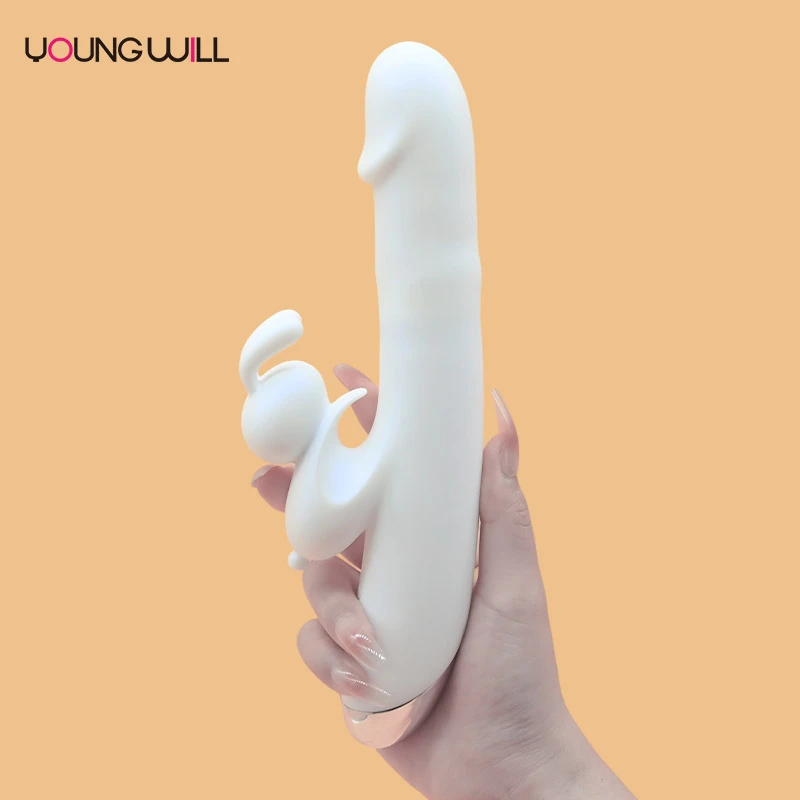
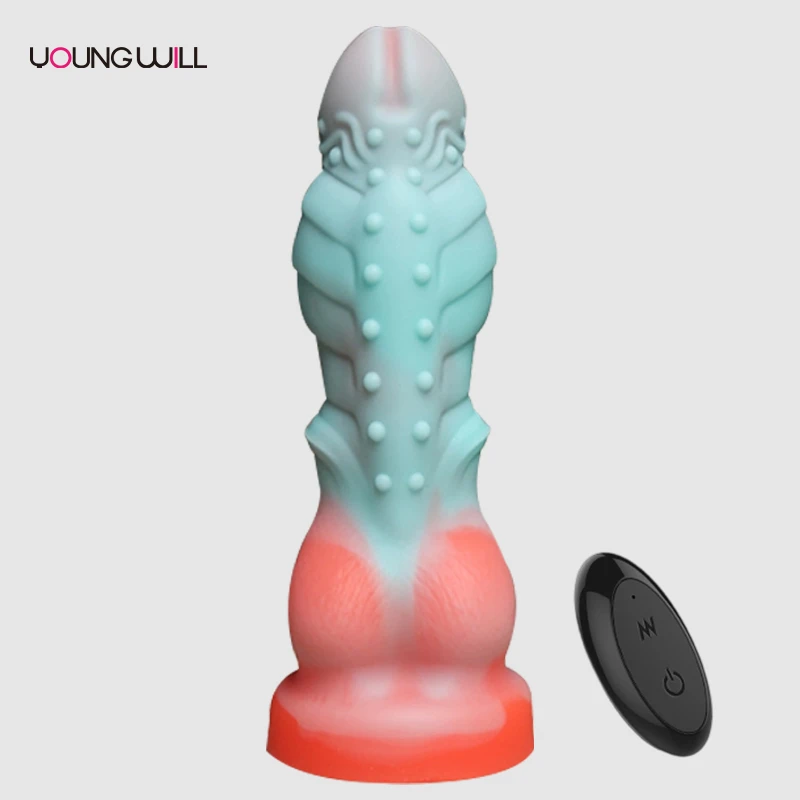
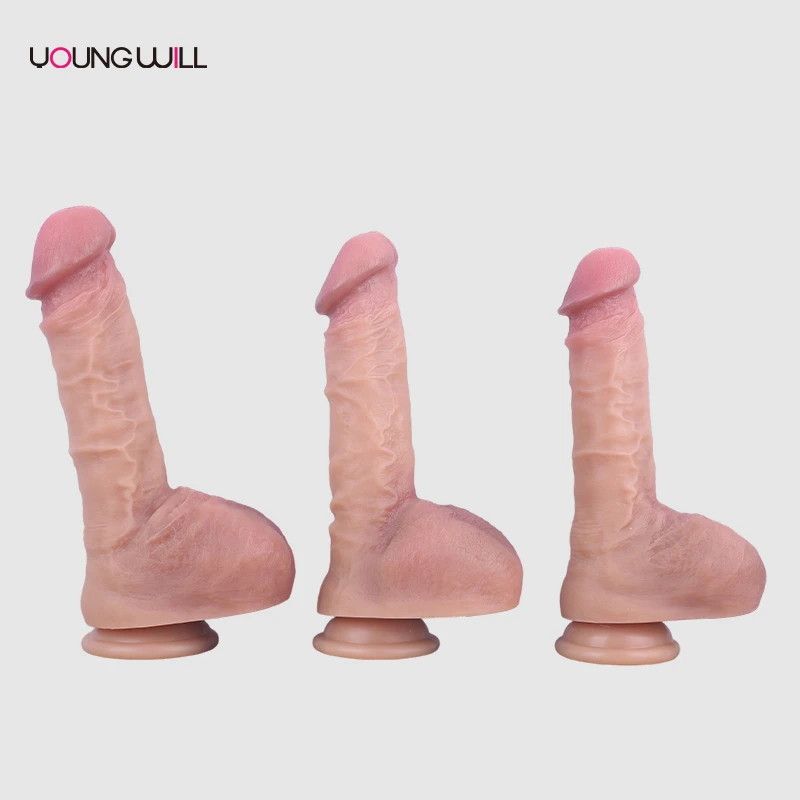
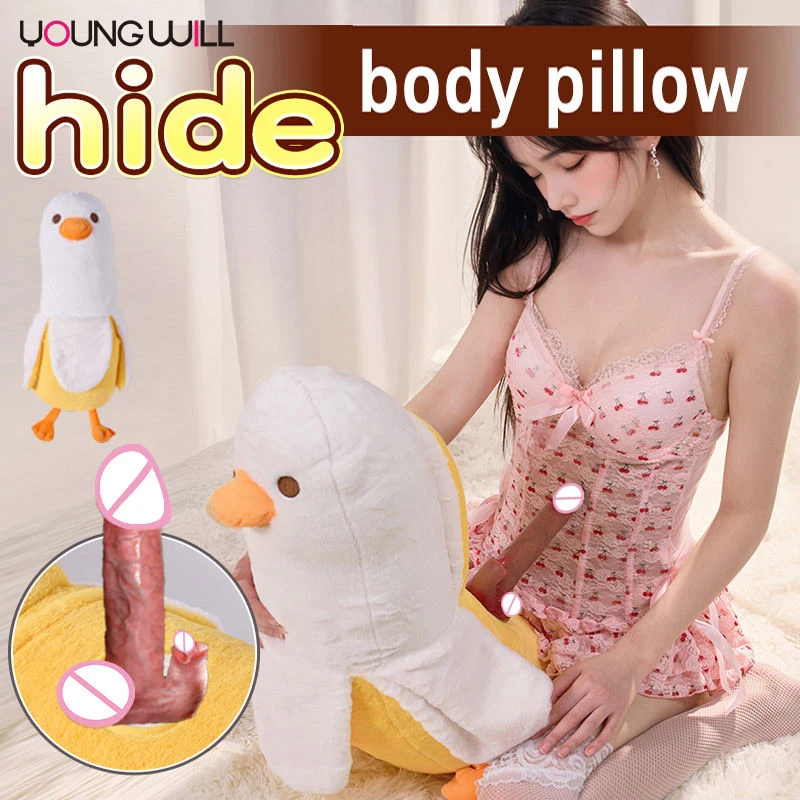
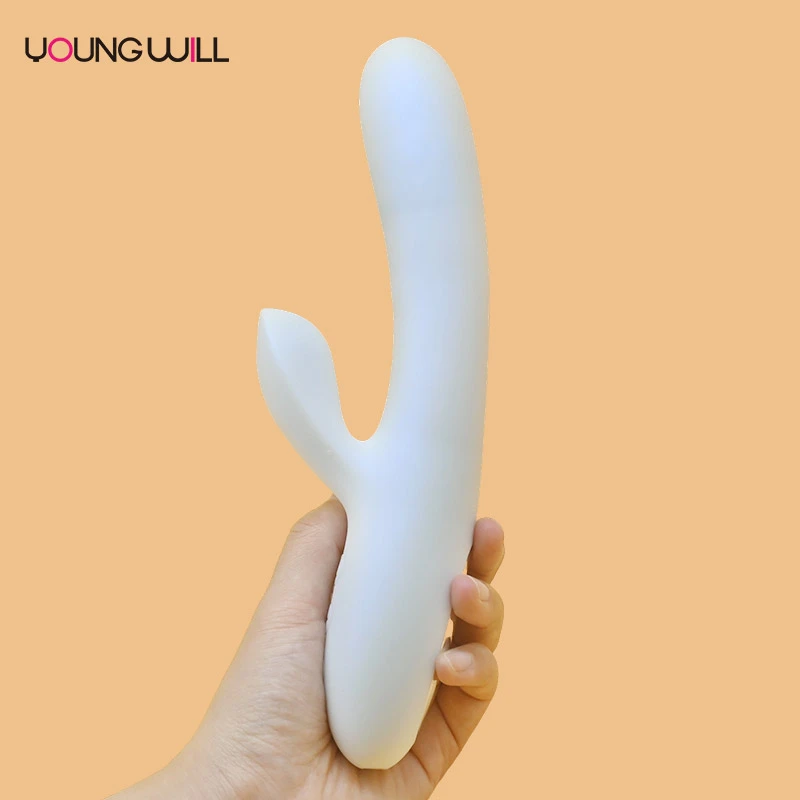
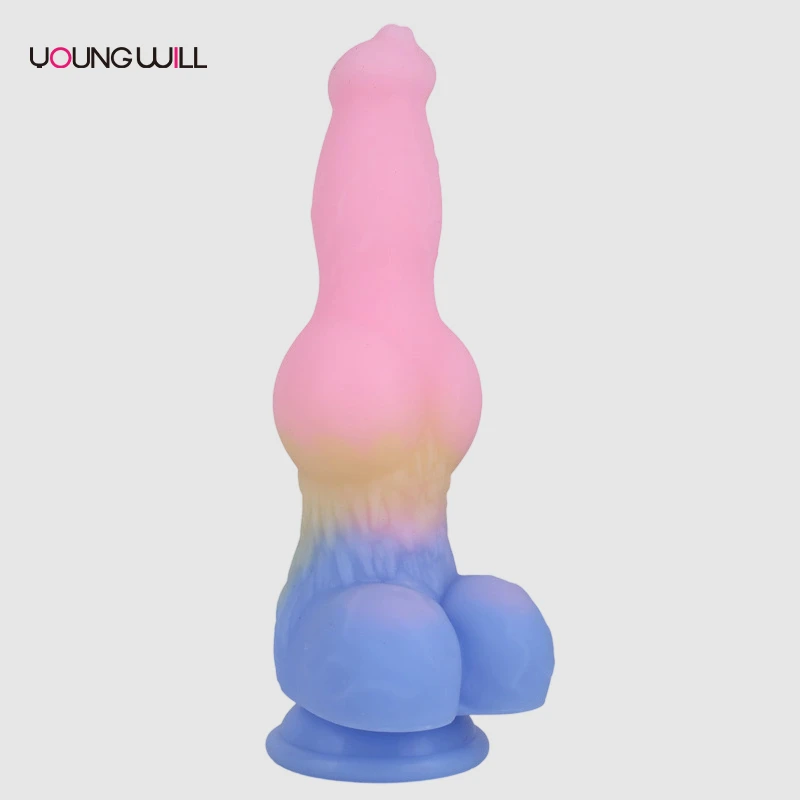
From realistic (skin-like textures, veins) to abstract (curved, ridged, or minimalistic), each shape targets different pleasure points or anatomical areas. Size isn’t just length, but also girth and flexibility — factors affecting comfort, especially for beginners or users with specific preferences.
3. Functionality & Added Features
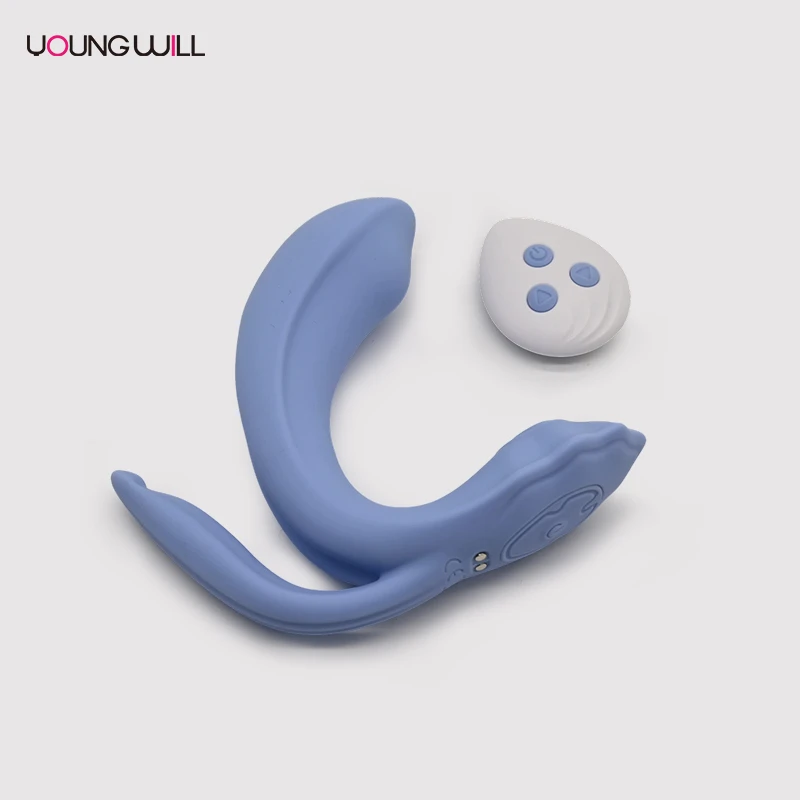
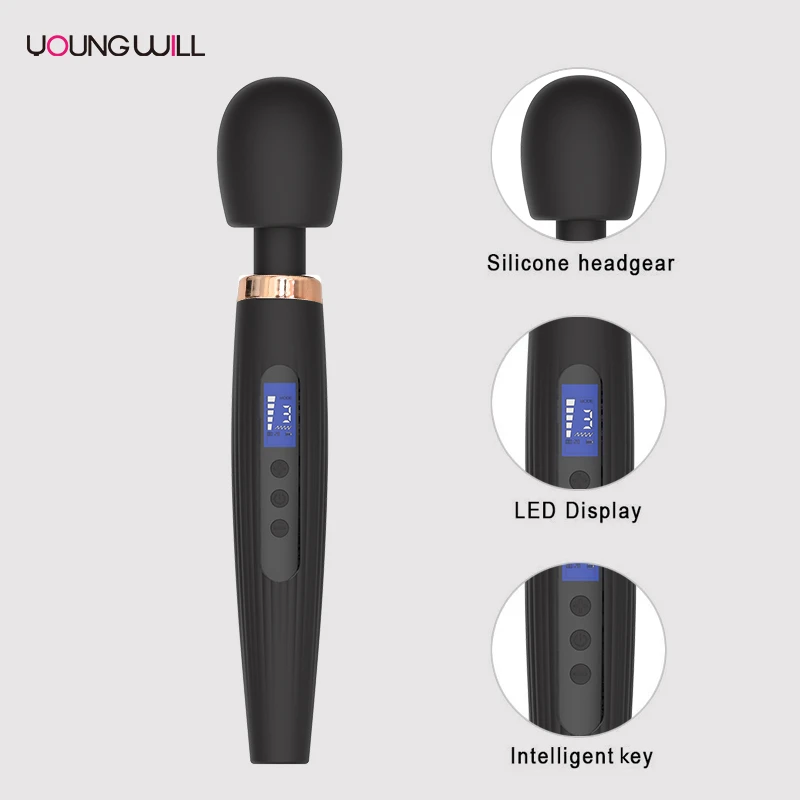
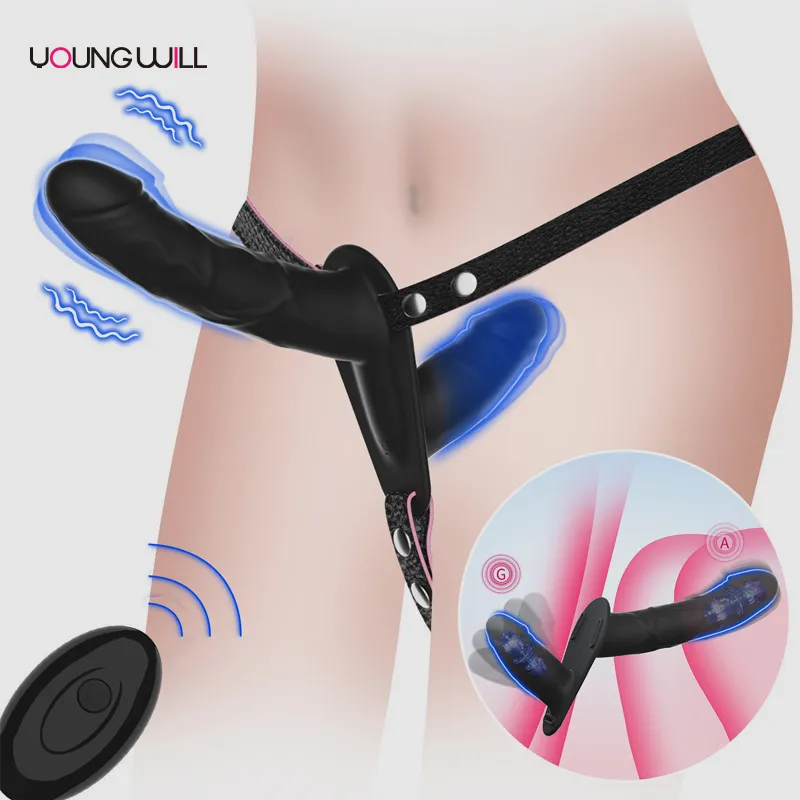
Vibrations, suction bases, heating elements, and remote controls add layers of customization and interactivity. Some types are strapon-compatible, versatile for solo or partnered play, while others focus on a pure tactile experience.
4. Durability & Maintenance
Regular use demands materials that withstand wear, plus easy cleaning protocols to maintain hygiene. Many silicone dildos are dishwasher-safe and compatible with common lubricants, enhancing longevity.
5. Cost Efficiency
Price ranges are broad—from affordable basic models to luxury handcrafted or tech-enhanced pieces. The perceived value ties closely to material, craftsmanship, and brand reputation, but the best choice balances budget and quality.
Mini Takeaway:
Picking the right dildo type is more than aesthetics; it’s about understanding material science, ergonomic design, and safe use to elevate your experience meaningfully.
Global Applications and Real-World Use Cases
Products featuring various types of dildos show up not just domestically, but in international forums on sexual health. In some European countries and parts of North America, inclusive product designs have become standard in sex education and therapeutic practices. For instance:
- Medical Rehabilitation: Specialized dildos assist pelvic floor therapy for post-natal care or surgery recovery.
- Sexual Education: Schools or clinics use anatomically accurate, safe materials for teaching consent and pleasure principles.
- Global Markets: Brands customize designs based on cultural preferences — Asian markets prefer compact, discreet types, while Western consumers might opt for a broader variety.
Interestingly, developing regions see emerging NGO interest in sexual wellness products as part of broader health initiatives. The supply chain adapts accordingly, emphasizing affordability and safety without sacrificing innovation.
Advantages and Long-Term Value of Choosing the Right Type
The benefits are multi-layered:
- Physical Comfort & Safety: Body-safe materials reduce risks of irritation or infection.
- Emotional Wellbeing: Enhanced pleasure supports mental health and relationship intimacy.
- Sustainability: Durable, eco-friendly materials help reduce waste and industry footprint.
- Economic Sense: Investing in quality diminishes frequent replacements, saving money over time.
On a more intangible note, many users express a greater sense of empowerment and confidence when they find a dildo type that truly fits their needs. This psychological uplift connects deeply to personal dignity and sexual agency.
Realistic Product Specification Table
| Model | Material | Length | Features | Price Range |
|---|---|---|---|---|
| SilkySmooth Classic | Medical Grade Silicone | 7 inches | Non-porous, flexible shaft, suction base | $40 - $60 |
| CrystalCurve | Tempered Borosilicate Glass | 6 inches | Temperature play compatible, hypoallergenic | $50 - $80 |
| VibeMaster 3000 | Silicone + Plastic | 7.5 inches | Multi-speed vibrations, remote enabled | $75 - $120 |
Vendor Comparison: Selecting Trusted Manufacturers
| Vendor | Price Range | Material Quality | Product Range | Sustainability Efforts |
|---|---|---|---|---|
| PleasureCraft | $$ | Medical-grade silicone | Wide variety incl. vibrators | Uses recycled packaging, cruelty-free |
| GlassGleam | $$$ | Borosilicate glass | Specialized glass dildos | Eco-friendly materials, long product life |
| VibeWave Tech | $$$ | Silicone & electronic components | Vibrating dildos, app-controlled | Focus on rechargeable systems to reduce waste |
Emerging Trends and Innovations
Sex toy manufacturers are progressively embracing sustainability, adopting eco-friendly materials like biodegradable silicone and plant-based polymers. Smart tech integration is another big trend: many modern dildos sync with smartphone apps, allowing personalized vibration patterns and even long-distance controls. This kind of digital transformation is creating new intimate experiences that blend tech with human emotion.
Moreover, inclusive design gains momentum — adjustable sizes, gender-neutral aesthetics, and designs accommodating disabilities are no longer niche but expected from reputable brands.
Challenges and How the Industry Addresses Them
Despite advances, some hurdles remain. Material toxicity is a concern, with cheaper products flooding the market. Experts advocate for transparent certifications and better regulation, a slow but steady process worldwide.
Another issue is stigma in many cultures, which restricts open conversations or access to quality products. Companies and NGOs are responding with education campaigns, demystifying use and benefits.
FAQ: Your Practical Questions Answered
Q1: What type of dildo is best for beginners?
Soft, smaller silicone models with simple shapes are ideal. They reduce discomfort and are easier to clean, making them beginner-friendly.
Q2: Can I use dildos for medical therapy?
Yes, many therapists recommend specialized types for pelvic floor rehabilitation or post-operative care, usually made of body-safe, non-porous materials.
Q3: Are vibrating dildos safe and reliable?
When purchased from reputable brands, vibrating dildos with certified electronics are safe. Always check battery specs, water resistance levels, and user reviews.
Q4: How do I maintain a dildo properly?
Clean with warm water and mild soap or special toy cleaners after each use. Silicone and glass variants are often dishwasher-safe. Avoid silicone-based lubricants with silicone toys.
Q5: Is it worth investing more in eco-friendly types?
Generally, yes. Eco-friendly options tend to offer better longevity and fewer health risks, aligning with sustainability goals and giving peace of mind.
To Wrap Up: Why Understanding Types of Dildos Really Matters
If you’re looking for something simple or a gadget that blends tech and touch, knowing your types of dildos helps you match your lifestyle and needs thoughtfully. Beyond the bedroom, this reflects a broader movement toward sexual wellness awareness, environmental responsibility, and product innovation. So next time you browse adult toys, you’ll be empowered to choose confidently.
Curious to explore a wide variety of designs and quality assurance? Visit our website: https://www.youngwilltoy.com for detailed guides and trusted options.