Different Types of Dildo - A Comprehensive Guide to Materials, Features & Trends
Exploring the Different Types of Dildo: A Global Perspective
At first glance, “different types of dildo” might sound purely personal or niche — but believe it or not, understanding this subject is actually part of a bigger picture about sexual health, wellness, and cultural openness worldwide. Over the past decade, attitudes have shifted significantly. In places where conversations about intimacy once felt taboo, there’s now growing recognition of the importance of diverse sex toys as aids for personal pleasure and positive mental health.
More than just adult playthings, dildos serve educational purposes, help people with disabilities explore sensations safely, and even assist couples in relationship communication. Grasping the variety of these products — how they differ in materials, shapes, mechanisms, and functions — can have a subtle but real impact on global sexual empowerment and well-being.
Mini takeaway: Different types of dildo go beyond the bedroom. They intersect with wellness, health, and cultural shifts worldwide.
A Snapshot of the Industry's Global Relevance
Globally, the adult toy market has been growing steadily, with forecasts suggesting a rise to over $40 billion USD by 2027, as per Statista. This boom relates not just to more open attitudes but increased research into safer materials, ergonomic designs, and inclusivity. According to a 2020 UN report on health and well-being, sexual wellness is an integral component of overall health, driving demand in many regions.
Nevertheless, challenges persist — including stigma in conservative cultures, lack of regulation or standards around materials, and misinformation. For manufacturers and consumers alike, understanding the different types of dildo on the market helps navigate these issues, enabling informed choice and safer sexual experiences.
Mini takeaway: Awareness of product variety can break barriers and support a global movement toward healthy, inclusive sexuality.
Defining Different Types of Dildo
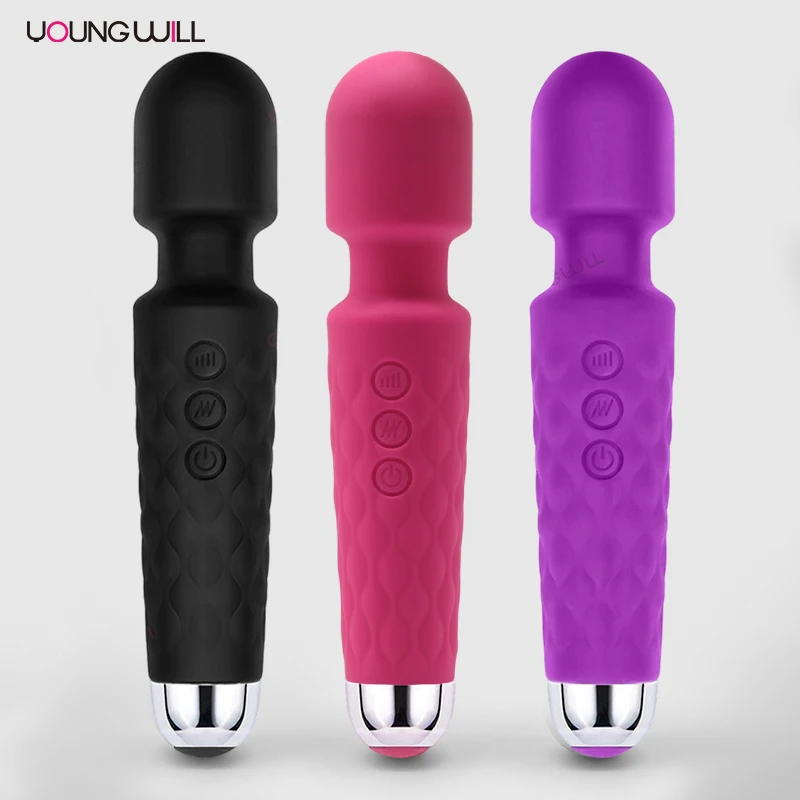
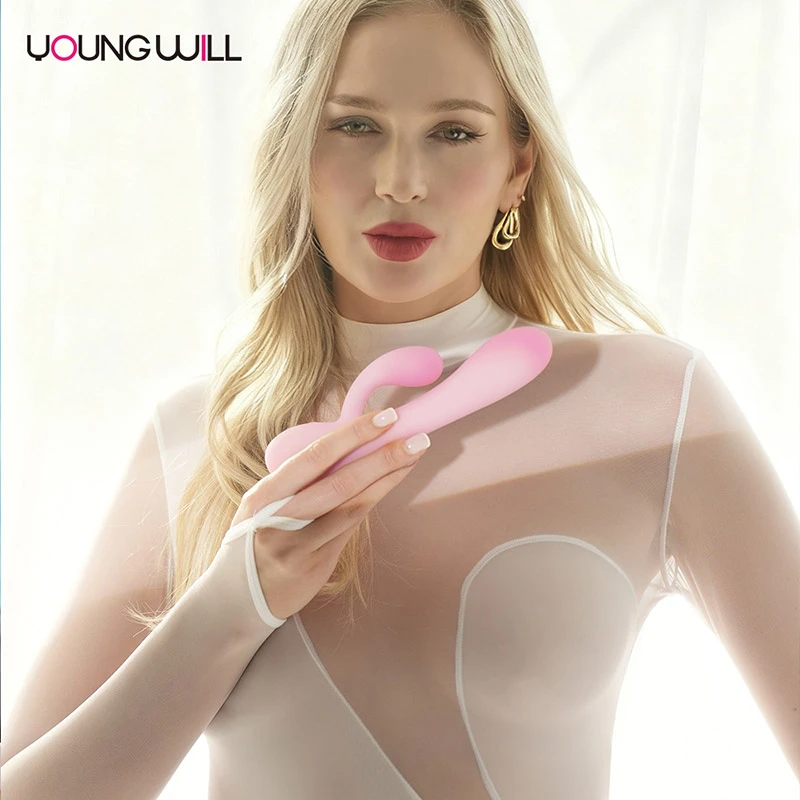
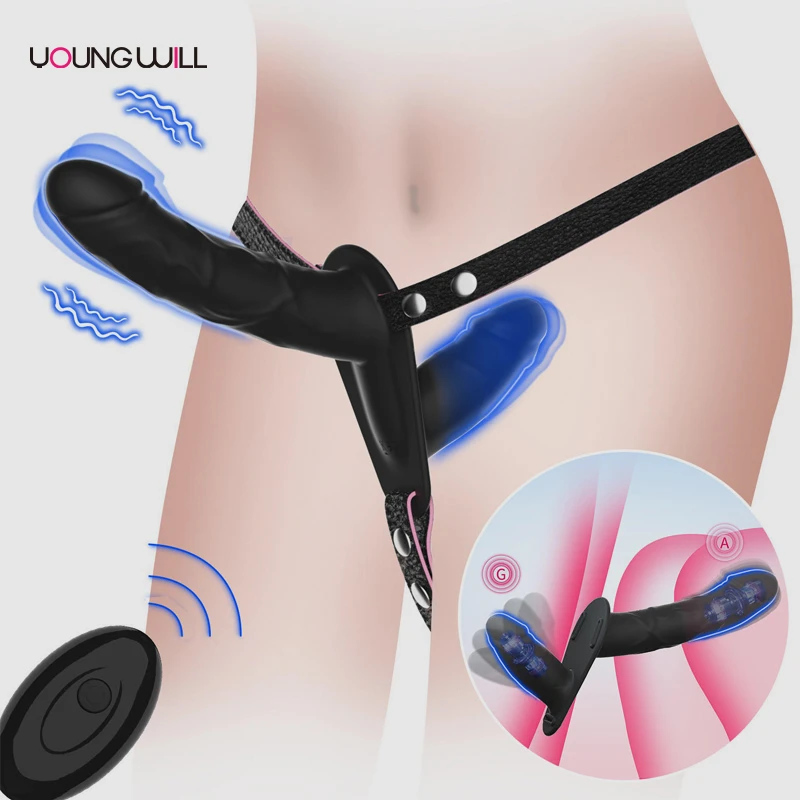
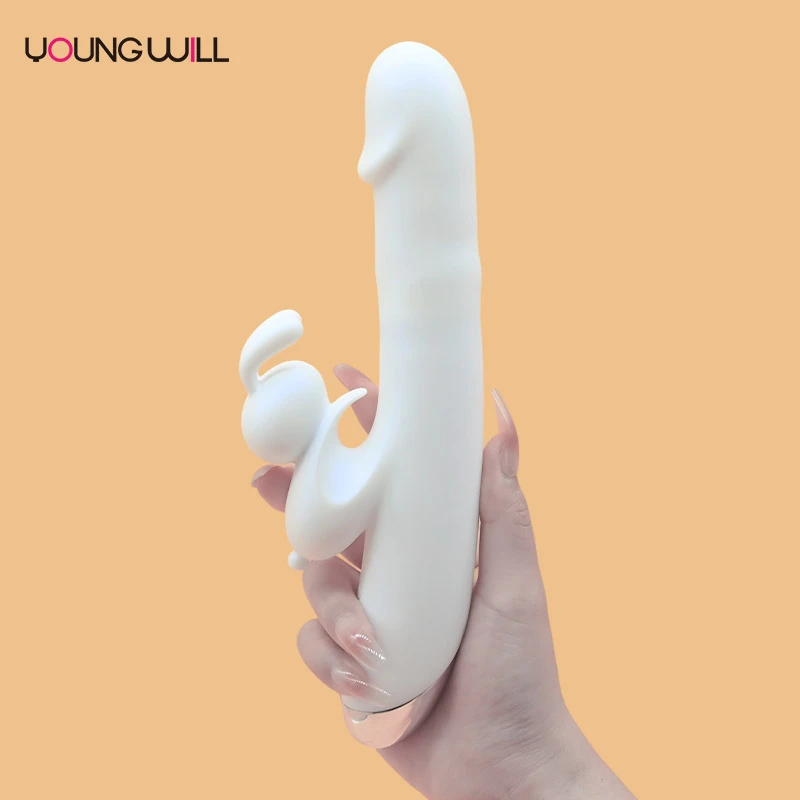
Put simply, a dildo is a device designed for penetration or stimulation of erogenous zones, traditionally for vaginal or anal use. But the “different types of dildo” embraces a vast range — from classic non-vibrating shapes to realistic replicas, vibrating ones with internal motors, curved toys for G-spot or prostate targeting, and even wearable or remote-controlled variants.
Materials vary too: medical-grade silicone, glass, metal, and even biodegradable options have entered the scene. These choices reflect modern demands for safety, customization, and environmental awareness in sexual health products.
More importantly, these devices contribute to empowerment — for example, offering people with disabilities the chance to explore pleasure at their own pace, or helping couples explore intimacy safely during long-distance phases.
Core Components to Consider
1. Material Safety and Durability
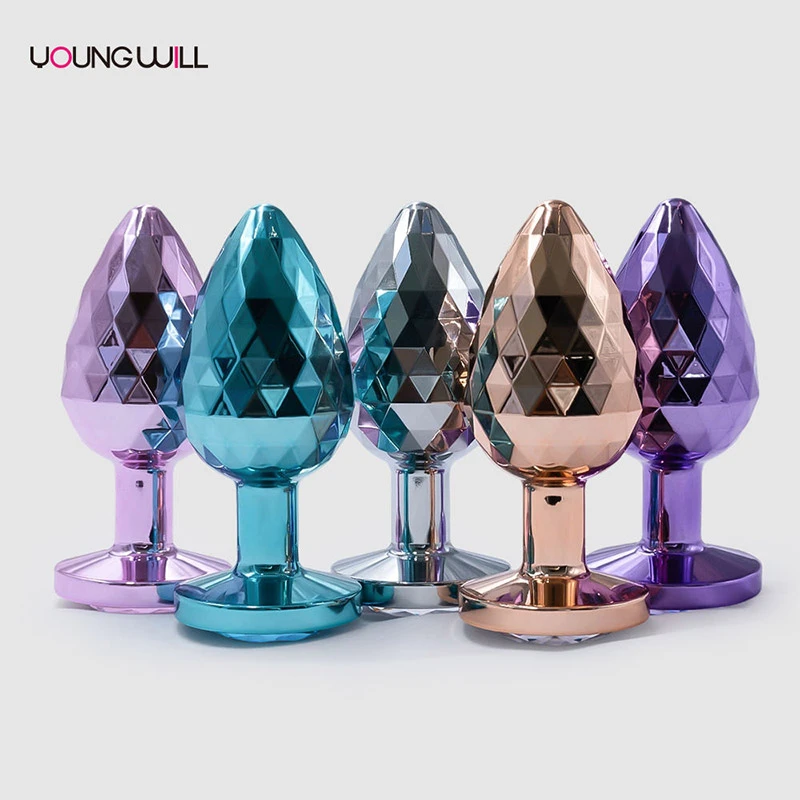
Silicone remains the gold standard for flexibility and body-safe use, while glass or stainless steel offer longevity and easier sanitation. Durability matters enormously, especially for those who want a reliable tool without frequent replacement.
2. Shape and Ergonomics
Whether you’re aiming to target the prostate, the G-spot, or broader stimulation, shape is key. Some dildos have curves, ridges, or veiny textures — all designed according to anatomical research. Ergonomics also factor in comfort for longer sessions.
3. Vibrations and Features
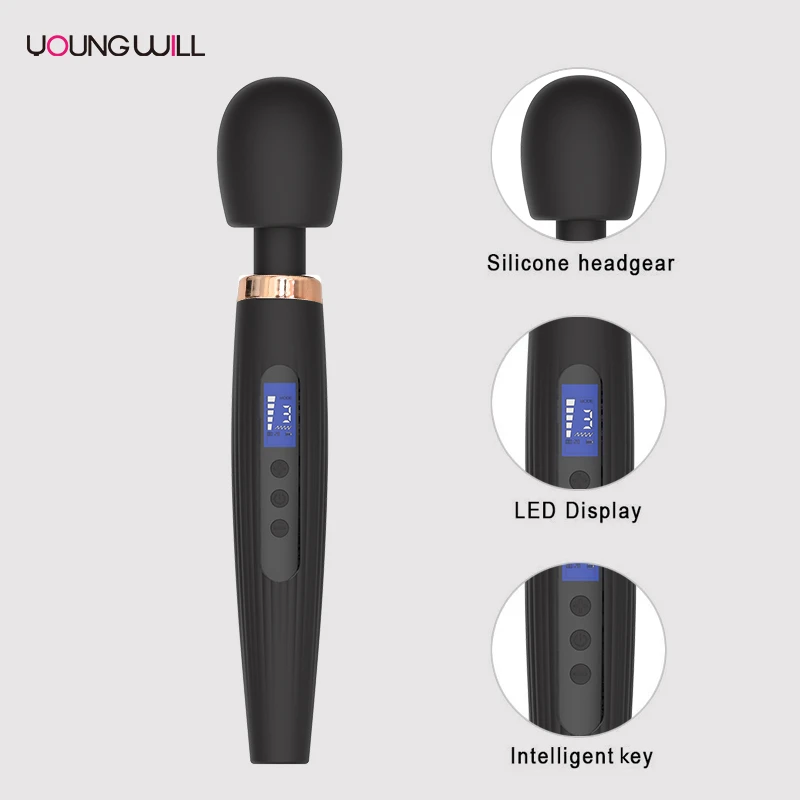
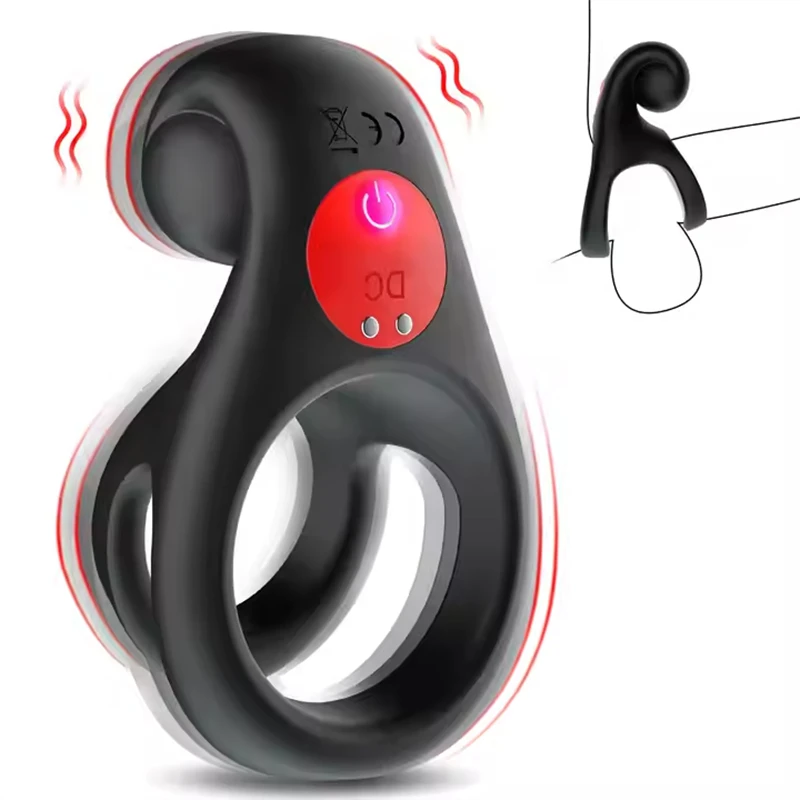
Not all dildos vibrate, but vibration motors add a sensory dimension. Some devices have multiple speeds and patterns, while newer models offer remote control via smartphones. The tech integration is fascinating!
4. Size and Flexibility
Users vary widely in preferences and needs. Sizes range from petite travel-friendly models to larger, heftier ones. Flexibility affects not only comfort but also the practical range of motion during use.
5. Price and Accessibility
There’s something out there for every budget — from entry-level basics to luxury designer pieces. Pricing often reflects materials, tech features, and brand reputation.
Mini takeaway: Knowing these key factors helps you pick a dildo that truly fits your lifestyle and body, rather than just guessing.
Global Applications & Use Cases: More Than Meets the Eye
Different types of dildo find applications way beyond home bedroom shelves. For example:
- Sexual health education: Many clinics worldwide use models to teach anatomy and safe sex practices, especially where direct conversation is difficult.
- Therapy and rehabilitation: Sex therapists may recommend certain designs to individuals overcoming trauma, treating conditions like vaginismus, or rebuilding intimacy.
- Accessibility: People with limited mobility or dexterity can benefit from ergonomic shapes or voice-activated controls.
- Couples separated by distance: Wi-Fi enabled devices allow remote stimulation, closing that emotional gap.
Regions like North America and Western Europe lead in market size but emerging markets in Asia and Latin America are growing fast, partly driven by e-commerce and changing cultural mindsets.
Product Specification Table: Popular Different Types of Dildo
| Type | Material | Size Range | Vibration | Special Features |
|---|---|---|---|---|
| Classic Silicone | Medical-Grade Silicone | 4" - 8" | No | Body-safe, flexible |
| Realistic Jelly | TPE/TPE Blend | 5" - 9" | No | Soft, textured veins |
| Vibrating Curved | Silicone + Electronics | 5" - 7" | Yes, variable speed | G-spot/prostate targeted |
| Glass/Rigid | Borosilicate Glass | 4" - 8" | No | Temperature play compatible |
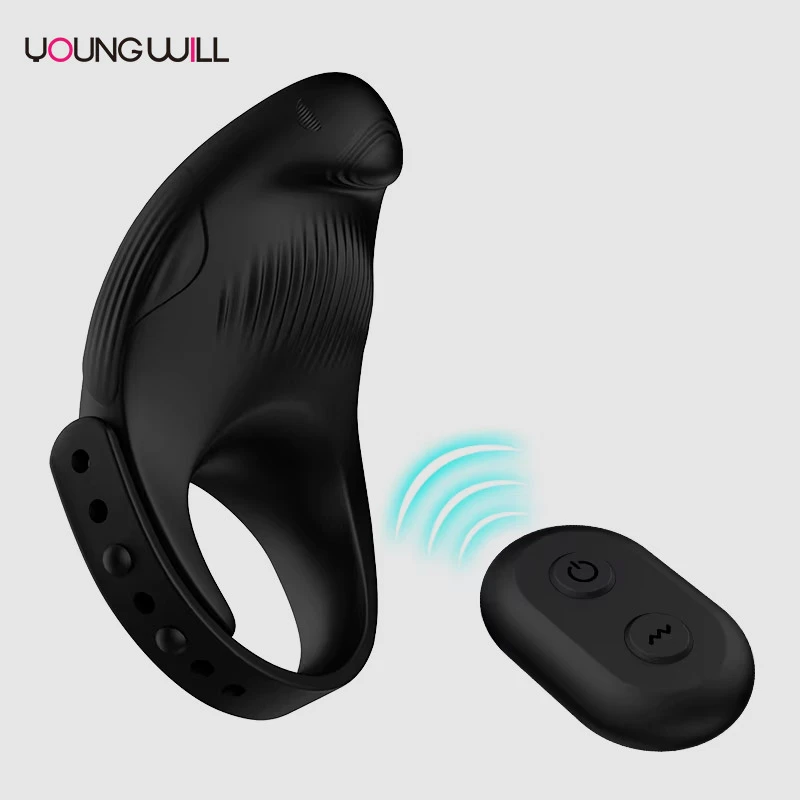
| Wearable Remote | Silicone + Tech Components | 3" - 6" | Yes, smartphone controlled | Discreet, hands-free |
Comparing Leading Vendors of Different Types of Dildo
| Brand | Key Selling Point | Price Range | Material Focus | Customer Ratings |
|---|---|---|---|---|
| LushPleasure | High-end silicone, ergonomics | $70-$120 | Medical-grade silicone | 4.7/5 |
| RealFeel | Ultra-realistic texture | $40-$90 | TPE with skin-like finish | 4.3/5 |
| VoltTech | Cutting-edge vibrators & apps | $80-$150 | Silicone + tech | 4.8/5 |
| EcoPleasure | Biodegradable & eco-friendly | $50-$85 | Plant-based materials | 4.1/5 |
Advantages & Long-Term Value of Understanding Different Types of Dildo
For individuals, selecting the right dildo means more fulfilling and safer experiences — reducing the risk of allergies, injury, or dissatisfaction. For wider society, it means normalizing sexual expression, fostering emotional connections, and improving mental health outcomes.
Manufacturers gain by creating more innovative, customized, and sustainable products, aligning with consumer demand peaks for health, trust, and luxury.
On a broader scale, the accessibility of quality sexual wellness products encourages gender equity and autonomy globally. It’s rare to consider such an impact for something so intimate, but the data doesn’t lie.
Emerging Trends & Innovations to Watch
Vibrant changes are underway in materials — from antimicrobial silver-infused silicones to shape-shifting memory foams. Tech integration is also growing: bluetooth-connected dildos that sync with VR experiences, AI-customized vibration patterns, and biofeedback sensors that adapt stimulation in real-time.
Sustainable manufacturing leads the charge — recycling unused silicone, reducing packaging waste, and transparency around supply chains.
Challenges & Solutions
Obstacles for many products include regulatory gaps (some countries lag on safety standards), cultural stigma limiting distribution, and sometimes poorly executed tech causing reliability issues.
On the upside, emerging international standards bodies like ISO are developing guidelines to ensure safe, durable, and ethically produced devices. NGOs and activist groups are working to spread education, breaking taboos gently but persistently.
FAQ: Frequently Asked Questions About Different Types of Dildo
Q1: What's the safest material for a dildo to avoid allergic reactions?
A: Medical-grade silicone is the safest and most hypoallergenic option. It’s non-porous, easy to clean, and usually free of harmful chemicals, making it ideal for sensitive users.
Q2: Are vibrating dildos better than non-vibrating ones?
A: Neither is categorically better—it depends on personal preference and desired sensations. Vibrating models offer more stimulation variety but may require battery or charging maintenance.
Q3: Can different types of dildo be used for both vaginal and anal play?
A: Many can, but it’s important to have a flared base for anal use to prevent accidents. Also, some materials and shapes are better suited for comfort and safety in certain uses.
Q4: How do I clean and maintain my dildo properly?
A: Cleaning depends on the material but generally involves washing with warm water and mild soap or specialized toy cleaner. Silicone and glass are easiest to sanitize thoroughly and can sometimes be boiled for sterilization.
In Conclusion: Why Knowing Different Types of Dildo Matters
Whether you’re an enthusiast, a professional in sexual health, or just curious, understanding the range of options out there promises better choices, safer use, and even the enhancement of intimacy and wellness on a broader level.
If you’re looking to explore the diverse world of adult toys thoughtfully, check out our curated selection and detailed guides at YoungWillToy. Dive in — you might be surprised how empowering the journey can be.