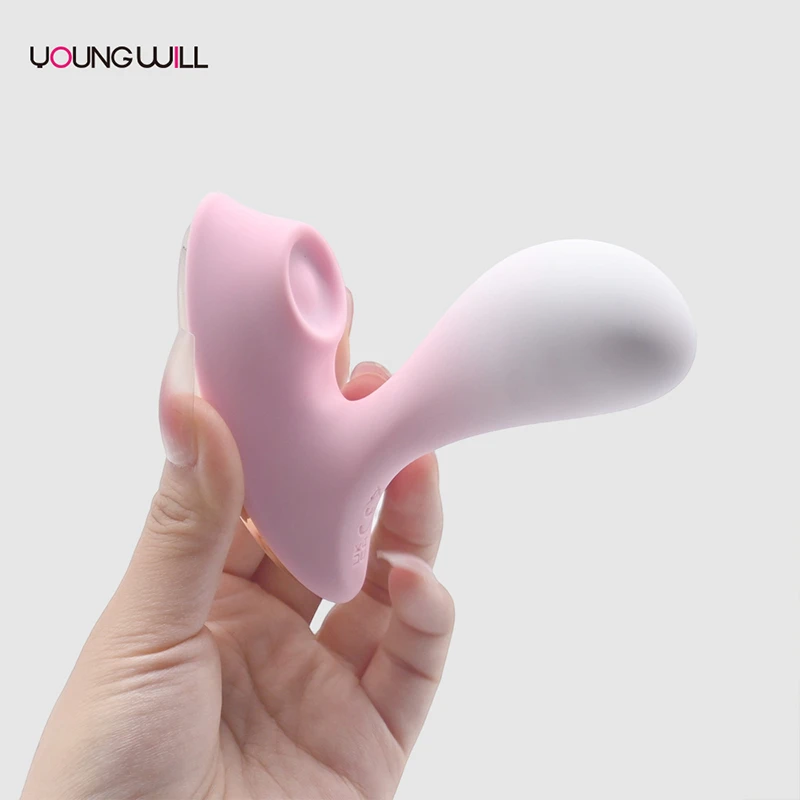
Discover the Future of Wearable Vibrator Remote Control Devices | Key Benefits & Innovations
What Is a Wearable Vibrator Remote Control and Why It Matters Globally
At first glance, the phrase wearable vibrator remote control might evoke curiosity or questions — what exactly falls under this category, and why should industries or users care? Simply put, this technology integrates compact vibrating motors with remote-controlled interfaces that can be worn comfortably on or in the body. The importance? It’s not just niche pleasure tech. These devices have broad applications across medical therapy, industrial safety, and emerging wearable technologies worldwide.
Especially now, as globalization pushes for more connected devices and wearable solutions, understanding this topic means acknowledging how convenience, health, and even wellbeing can be enhanced in subtle but impactful ways. Whether it’s in rehabilitation clinics, manufacturing floors, or everyday consumers, the benefits of remote-controllable wearable vibrators range from improved muscle therapy to discreet notifications without disturbing surroundings.
Mini takeaway: Wearable vibrator remote controls represent a growing tech sector blending comfort, control, and connectivity with wide-ranging real-world benefits.
Global Context: Why Wearable Vibrator Remote Controls Are Gaining Traction
In 2023, the global wearable tech market surpassed $70 billion in revenue, with growth estimated at roughly 15% annually according to market research firms like Statista. Remote-controlled wearables, incorporating tactile feedback through vibration, stand at an exciting crossroads of innovation and practicality. The International Organization for Standardization (ISO) has recently emphasized usability and durability standards for wearable electronics, which further catalyzes development.
Challenges motivating this growth include the need for hands-free alert systems, especially in noisy industrial or urban workspaces, and more personalized health interventions. Imagine factory workers receiving subtle vibration alerts during loud operations, or patients using these devices for pain relief protocols without bulky equipment.
Mini takeaway: Worldwide, industries and healthcare are increasingly dependent on wearable vibrator remote controls to solve practical communication and treatment challenges.
What Exactly Is a Wearable Vibrator Remote Control?
To break it down simply: a wearable vibrator remote control is a device worn on the body that includes one or more vibration motors, capable of being activated or adjusted via a remote interface — often through Bluetooth, RF signals, or smartphone apps. These devices convert electrical signals into tactile vibrations, allowing real-time, wireless control from a distance.
The connection to modern industry — and even humanitarian uses — lies in their discreetness and efficiency. For example, in healthcare, vibration therapy is used for muscle stimulation or neuropathy treatments. In ergonomic design, these controls help communicate alerts, directions, or safety messages without noise. There’s even a growing interest in wearable vibrators for sensory integration therapy, helping people with sensory processing disorders.
Mini takeaway: Fundamentally, these are compact, remotely operated vibration devices worn on the body, enhancing communication, therapy, or interaction.
Key Components That Make These Devices Work
1. Vibration Motor Quality
The heart of any wearable vibrator is the motor. Manufacturers often use linear resonant actuators (LRAs) or eccentric rotating mass (ERM) motors. LRAs tend to provide more precise, high-frequency vibrations — great for nuanced feedback. ERMs, while simpler, deliver stronger but less controlled pulses. For users, motor efficiency affects battery life and comfort.
2. Wireless Communication Protocols
Remote control relies on solid wireless tech. Bluetooth Low Energy (BLE) is most common for short-range, low-power operations, ideal for smartphones or dedicated remotes. RF remotes may enable longer ranges but sometimes sacrifice integration ease. In safety-critical contexts, reliable connections are paramount.
3. Durability & Comfort
Since these devices are worn — sometimes all day — material choices shift toward hypoallergenic, sweat-resistant fabrics, and waterproof housings. It’s odd how tiny design tweaks like flexible straps or breathable cases can dramatically improve user adoption.
4. Battery Life & Power Management
Balancing strong vibration output with hours of continuous use demands clever power management. Rechargeable lithium-ion cells dominate, with some innovation pushing toward energy harvesting (think kinetic or solar) to extend use on remote worksites or clinical settings without frequent charging.
5. User Interface Simplicity
Whether through app controls, dedicated handheld remotes, or even voice commands, usability is king. Overengineering remote control schemes risks alienating users who just want quick, reliable activation.
| Feature | Typical Range | Motor Type | Battery Life | Water Resistance | Control Method |
|---|---|---|---|---|---|
| Model A | 10 meters (Bluetooth) | LRA | 8 hours active use | IP67 (waterproof) | Mobile App |
| Model B | 20 meters (RF Remote) | ERM | 12 hours | IP54 (splash resistant) | Dedicated Remote |
Mini takeaway: The synergy of motors, wireless tech, durability, and user-friendly controls power the success of wearable vibrator remote controls.
Global Applications: Real-World Use Cases Making a Difference
Oddly enough, these remote-controlled vibrators are popping up in places you might not expect. In industrial safety zones across Europe and North America, workers wear vibration alert devices to signal hazards silently amid noisy machinery. Meanwhile, physical therapists in Japan and Germany use wearable vibrators for bespoke muscle stimulation treatments, remotely adjusting intensity as patients move.
In humanitarian contexts, remote-controlled wearable vibrators can help visually impaired individuals receive spatial orientation cues via discreet vibration patterns. Meanwhile, in emerging markets across Southeast Asia and Africa, engineers are experimenting with wearable vibrators to provide remote status updates on heavy equipment operators who can’t look at screens while working.
In entertainment or consumer wellness, the sectors are also booming, but that’s a conversation for another day.
Mini takeaway: From factories and clinics to humanitarian aid, wearable vibrator remote controls have diverse, impactful roles worldwide.
Why Invest in Wearable Vibrator Remote Controls? Advantages & Long-Term Value
- Cost Efficiency: These devices reduce downtime by offering instant and silent communication, which can prevent costly accidents or treatment delays.
- Sustainability: Reusable, rechargeable designs reduce waste compared to disposable alert mechanisms.
- Reliability: Vibration alerts function in environments where visual or auditory signals fail (e.g., loud factories or smokey zones).
- Social Impact: Empower users with disabilities or those in remote areas, adding dignity through discreet engagement.
- Innovation & Trust: Brands adopting these tools communicate care and high-tech readiness, reinforcing client or patient trust.
I suppose the emotional angle is often overlooked — it’s about safety and confidence that users gain knowing they’ll be alerted even when attention must stay elsewhere.
Looking Forward: What the Future Holds for This Technology
Green energy integration is no longer sci-fi. Some companies are trialing kinetic energy harvesters, allowing wearable vibrators to recharge as users move. Digital transformation means smarter, AI-driven vibration patterns could customize alerts based on user habits or health signals. Plus, miniaturization continues to advance, making devices lighter and less intrusive.
Automation will probably lead to integration with broader Internet of Things (IoT) frameworks — connecting wearable vibrators into safety monitoring systems or medical databases for real-time data sharing. Policies around data privacy and medical approvals will shape how quickly these advances hit the market.
Common Hurdles and How Industry Is Tackling Them
Not everything is smooth sailing. Battery longevity vs. size remains a classic balance challenge—many wish for longer operation without adding bulk. Wireless interference in crowded RF environments complicates remote control responsiveness. Comfort can still be an issue for some, especially over extended use.
However, many engineers are innovating with ultra-low power chips, fallback wireless systems, and custom-fit ergonomics. Some solutions include modular designs so wearers can swap batteries easily or even share custom vibration patterns through user communities.
FAQ: Your Questions About Wearable Vibrator Remote Control, Answered
- How long does the battery typically last on a wearable vibrator with remote control?
- Most wearables offer between 8 to 12 hours of active use depending on vibration intensity and wireless range. Advanced models with energy-efficient motors and power management can stretch usage further, but regular charging is usually needed.
- Are these devices waterproof enough for daily wear and sweat?
- Many modern models feature waterproof ratings like IP54 or IP67, meaning they're safe against sweat and occasional splashes. For swimming or heavy rain, you’ll want to confirm specific ratings.
- Can I control multiple wearable vibrator devices remotely at once?
- Yes, some remote systems allow pairing with multiple devices, enabling coordinated alerts or separate controls. Smartphone apps often provide multi-device management interfaces.
- How customizable are the vibration patterns?
- Customizability varies by brand and software. Many allow users to program distinct vibration intensities, durations, and rhythms to suit personal or professional needs.
- Is the technology safe to use for medical therapy?
- When used as intended and approved by regulatory bodies like the FDA or CE, wearable vibrators used in therapy are generally safe. Always consult healthcare professionals before starting vibration treatments.
Conclusion: Embracing the Subtle Power of Wearable Vibrator Remote Controls
In the end, wearable vibrator remote controls offer a fascinating blend of quiet innovation, practical function, and user empowerment. They’re no longer just curiosities but key tools in safety, health, and lifestyle enhancement, promising richer applications as technology advances. Interested in exploring the latest products and solutions? Visit wearable vibrator remote control for a deep dive into what’s available today and what’s on the horizon.
| Vendor | Product Range | Wireless Tech | Typical Price (USD) | Special Features |
|---|---|---|---|---|
| VibeTech Co. | Medical & Industrial | Bluetooth 5.2 | $120-$250 | AI-driven vibration patterns |
| RemotePulse Inc. | Consumer Wellness | RF Remote (15-20m) | $80-$150 | Waterproof & customizable apps |
| Sensora | Therapeutic & Assistive Tech | Bluetooth + Wi-Fi | $150-$300 | Cloud connectivity & multi-user support |
In short, the tiny hum of a wearable vibrator controlled remotely might just be the next big leap in how we interact subtly and safely with the world around us. It feels like the perfect mix of tech meeting human need without shouting for attention.